





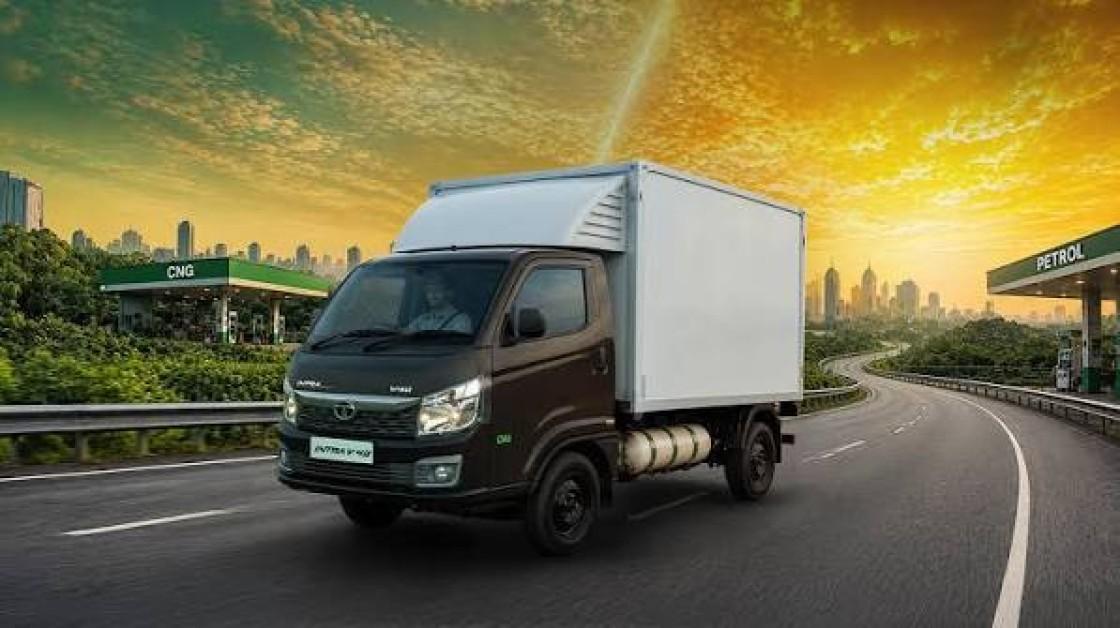
Tata Motors Expands Connected and Intelligent Fleet Technology Across Commercial Vehicle Portfolio
Tata Motors is expanding connected and intelligent fleet technology across its commercial vehicle portfolio as India's logistics and transportation industry increasingly adopts digital tools to improve vehicle utilisation, operating efficiency, safety and uptime.
The expansion reflects a broader transformation underway in the commercial vehicle industry. Trucks, buses and other fleet vehicles are evolving from primarily mechanical assets into connected platforms capable of continuously generating operational data.
For fleet owners, these technologies can provide greater visibility into vehicles, drivers, fuel consumption, maintenance requirements and route performance, potentially reducing operating costs while improving productivity.
Tata Motors Deepens Connected Commercial Vehicle Strategy

Connected vehicle technology is becoming an increasingly important component of Tata Motors' commercial vehicle offering.
Digital systems can enable fleet operators to monitor important vehicle information remotely and make operational decisions based on real-time data.
Key capabilities can include:
-
Vehicle tracking
-
Fuel monitoring
-
Driver behaviour analysis
-
Maintenance alerts
-
Route optimisation
-
Vehicle diagnostics
-
Fleet utilisation
-
Performance analytics
These capabilities are particularly valuable for businesses managing large fleets across multiple locations.
Fleet Management Moves Toward Real-Time Data
Traditional fleet management often depended heavily on manual records, driver communication and periodic vehicle inspections.
Connected technology changes this model by allowing operators to receive continuous information from vehicles.
Real-time data can help managers identify:
-
Vehicle locations
-
Idle time
-
Route deviations
-
Fuel efficiency
-
Driving patterns
-
Vehicle health
-
Maintenance requirements
-
Operational delays
Greater visibility can help logistics companies respond more quickly to problems and improve fleet productivity.
Predictive Maintenance Could Improve Vehicle Uptime
Maintenance represents one of the most important operating considerations for commercial vehicle owners.
Unexpected breakdowns can result in:
-
Delivery delays
-
Lost revenue
-
Repair expenses
-
Customer disruption
-
Replacement vehicle costs
-
Lower fleet utilisation
Connected diagnostics can potentially identify abnormal vehicle behaviour before a major failure occurs.
Predictive maintenance therefore offers an opportunity to move from reactive repairs toward planned servicing.
Fuel Efficiency Remains Critical for Fleet Economics
Fuel is one of the largest operating expenses for many commercial vehicle fleets.
Even relatively small improvements in fuel efficiency can create meaningful savings when applied across hundreds or thousands of kilometres.
Connected systems can help fleet operators analyse factors including:
-
Excessive idling
-
Harsh acceleration
-
Speed patterns
-
Route efficiency
-
Vehicle loading
-
Driver behaviour
-
Engine performance
-
Fuel consumption
Data-driven management can help operators identify where efficiency improvements are possible.
Intelligent Fleet Systems Support Driver Safety
Driver behaviour monitoring is another important application of connected commercial vehicle technology.
Telematics systems can provide information on events such as:
-
Harsh braking
-
Rapid acceleration
-
Excessive speed
-
Long driving periods
-
Unusual vehicle movements
When combined with training and fleet policies, these insights can help operators improve safety practices.
Safety improvements can potentially reduce accidents, vehicle downtime, cargo losses and insurance-related costs.
Logistics Companies Accelerate Digital Adoption
India's logistics sector is becoming increasingly technology-driven as companies seek greater efficiency across transportation networks.
Digital adoption is being supported by growth in:
-
E-commerce
-
Express logistics
-
Organised trucking
-
Warehousing
-
Manufacturing
-
Retail distribution
-
Cold-chain logistics
-
Last-mile delivery
Large logistics companies increasingly expect detailed visibility into shipments and vehicles, making connected fleet technology more important.
Commercial Vehicles Become Software-Enabled Assets
The automotive industry's transition toward software-defined vehicles is not limited to passenger cars.
Commercial vehicles are increasingly integrating:
-
Telematics
-
Cloud connectivity
-
Digital diagnostics
-
Fleet software
-
Driver-assistance systems
-
Remote monitoring
-
Data analytics
-
Over-the-air capabilities
This creates opportunities for manufacturers to develop longer-term digital relationships with customers beyond the initial vehicle sale.
Tata Motors Can Build Recurring Digital Relationships
Connected fleet services could potentially change the economics of commercial vehicle manufacturing.
Traditionally, manufacturers generated revenue primarily through:
-
Vehicle sales
-
Spare parts
-
Maintenance
-
Financing
-
After-sales services
Digital fleet services can add another layer to the customer relationship.
Manufacturers capable of providing valuable fleet intelligence may increase customer retention while strengthening their broader service ecosystems.
Electric Commercial Vehicles Increase Need for Fleet Intelligence
The gradual transition toward electric commercial vehicles could make connected fleet management even more important.
Electric fleets require operators to manage additional factors including:
-
Battery state of charge
-
Charging schedules
-
Vehicle range
-
Energy consumption
-
Charging infrastructure
-
Route suitability
-
Battery health
-
Vehicle availability
Digital systems can help fleet operators coordinate these variables and improve the economics of electric vehicle deployment.
Data Becomes a Strategic Automotive Asset
Connected vehicles generate significant amounts of operational data.
When analysed effectively, this information can help manufacturers understand:
-
Vehicle usage
-
Component performance
-
Maintenance patterns
-
Customer behaviour
-
Route conditions
-
Fuel efficiency
-
Product reliability
-
Fleet requirements
These insights can influence future vehicle development and after-sales strategies.
However, growing data collection also increases the importance of cybersecurity, privacy and secure data management.
India's Commercial Vehicle Market Offers Scale
India operates one of the world's largest commercial vehicle ecosystems, supported by substantial freight and passenger transportation requirements.
Long-term demand is influenced by:
-
Infrastructure development
-
Manufacturing growth
-
Construction activity
-
E-commerce
-
Agricultural logistics
-
Urban transportation
-
Industrial production
-
Consumer demand
Digitising this large vehicle base creates a substantial opportunity for connected fleet platforms.
Competition Increasingly Includes Technology
Commercial vehicle competition is no longer determined solely by vehicle specifications and purchase price.
Fleet operators increasingly evaluate:
-
Total cost of ownership
-
Fuel efficiency
-
Vehicle uptime
-
Digital capabilities
-
Service network
-
Financing
-
Resale value
-
Fleet analytics
Manufacturers offering integrated technology and service ecosystems could gain an advantage as fleet customers become more sophisticated.
What Fleet Operators Should Watch
Businesses adopting connected fleet technology should evaluate:
-
Measurable fuel savings
-
Vehicle uptime improvements
-
Software reliability
-
Data accuracy
-
Driver adoption
-
Cybersecurity
-
Platform integration
-
Subscription costs
-
Maintenance benefits
-
Return on investment
Technology delivers the greatest value when fleet data is translated into operational decisions rather than simply collected.
Outlook
Tata Motors' expansion of connected and intelligent fleet capabilities reflects the broader digitisation of India's transportation industry.
As logistics networks become larger and more complex, fleet owners will increasingly require real-time visibility into vehicles, drivers, maintenance and operating costs.
The convergence of telematics, cloud computing, data analytics and electric mobility could eventually make intelligent fleet management a standard feature of commercial transportation.
Conclusion
Tata Motors' expansion of connected and intelligent technology across its commercial vehicle portfolio signals an important shift in how trucks and fleet vehicles are managed in India.
Real-time vehicle data can help fleet operators improve fuel efficiency, reduce downtime, strengthen safety and increase asset utilisation.
For Tata Motors, connected technology also creates an opportunity to deepen customer relationships beyond vehicle sales and build a broader digital services ecosystem around commercial transportation.
As India's logistics industry becomes increasingly data-driven, intelligent fleet technology could emerge as an important competitive differentiator across the commercial vehicle market.
 Tata Motors Expands Connected and Intelligent Fleet Technology Across Commercial Vehicle Portfolio FAQs
POST A COMMENT (0)
All Comments (0)
Replies (0)