





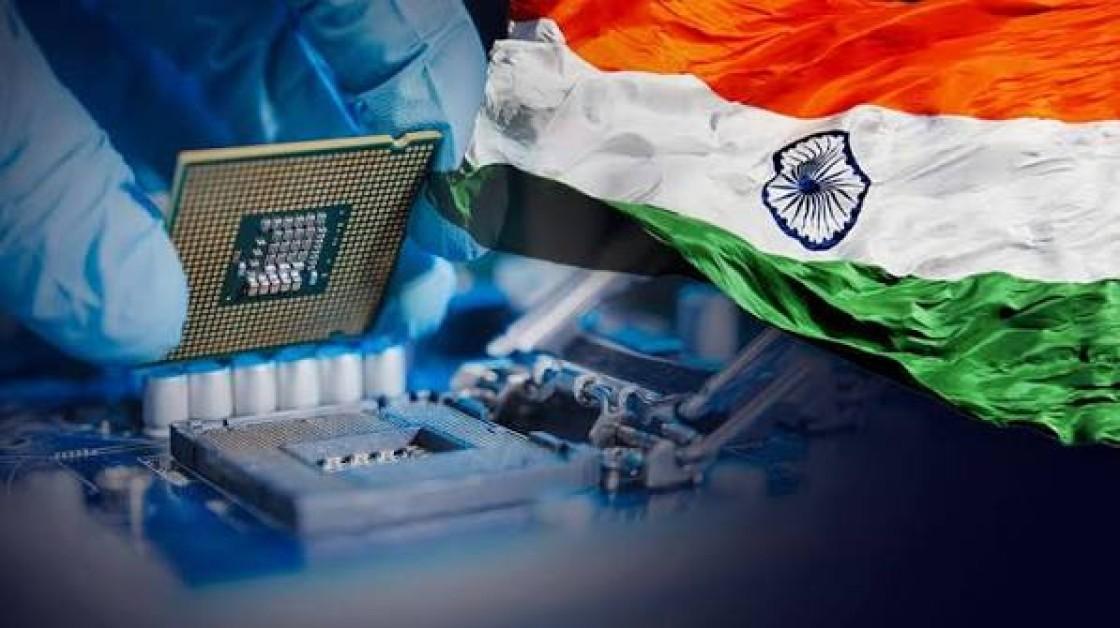
Semiconductor Supply Chain Expansion Remains a Strategic Focus for India
India continues to prioritise the expansion of its semiconductor supply chain as part of its long-term strategy to strengthen domestic electronics manufacturing and improve resilience against global supply disruptions. Government initiatives, rising private investment and growing partnerships with international technology companies are helping build an integrated semiconductor ecosystem spanning chip design, fabrication, assembly, testing and advanced packaging.
The development of a comprehensive semiconductor supply chain is viewed as essential for supporting India's ambitions in electronics manufacturing, artificial intelligence (AI), electric vehicles, telecommunications and digital infrastructure.
Building an End-to-End Semiconductor Ecosystem

India is focusing on developing capabilities across every stage of the semiconductor value chain.
Priority areas include:
-
Wafer fabrication
-
Chip assembly
-
Semiconductor testing
-
Advanced packaging
-
Integrated circuit (IC) design
-
Electronic design automation
-
Materials and chemicals
-
Manufacturing equipment
Developing domestic capabilities across these segments can reduce import dependence and improve supply chain resilience.
Government Support Continues to Encourage Investment
Policy initiatives remain a major driver of semiconductor development.
Key priorities include:
-
Manufacturing incentives
-
Electronics production
-
Research and development
-
Infrastructure creation
-
Skill development
-
Technology partnerships
-
Investment promotion
-
Innovation support
Government-backed programmes continue attracting both domestic and international participants.
Global Partnerships Strengthen Capabilities
International collaborations remain important for accelerating industry growth.
Areas of cooperation include:
-
Technology transfer
-
Joint ventures
-
Manufacturing expertise
-
Research collaboration
-
Equipment supply
-
Workforce training
-
Design innovation
-
Supply chain integration
Global partnerships help accelerate the development of advanced semiconductor capabilities.
Electronics Manufacturing Drives Demand
India's expanding electronics sector continues to generate strong demand for semiconductor components.
Key industries include:
-
Smartphones
-
Consumer electronics
-
Automotive electronics
-
Electric vehicles
-
Telecommunications equipment
-
Medical devices
-
Industrial automation
-
Defence electronics
Growing domestic production supports long-term semiconductor demand.
AI and Data Centres Increase Chip Requirements
Artificial intelligence is creating new opportunities across the semiconductor industry.
High-growth segments include:
-
AI processors
-
Graphics processing units (GPUs)
-
High-performance computing chips
-
Data centre semiconductors
-
Networking chips
-
Memory technologies
-
Edge AI processors
-
Power management chips
AI infrastructure investments continue driving global semiconductor demand.
Chip Design Remains a Competitive Advantage
India has established itself as a major centre for semiconductor design.
Key strengths include:
-
IC design
-
Embedded systems
-
Chip verification
-
Firmware development
-
Electronic design automation
-
Software integration
-
Engineering talent
-
Research capabilities
The country's design ecosystem complements manufacturing expansion.
Infrastructure Investment Supports Industry Growth
Semiconductor manufacturing depends on specialised infrastructure.
Key investment areas include:
-
Fabrication facilities
-
Clean room environments
-
Reliable electricity supply
-
Water treatment systems
-
Industrial parks
-
Logistics infrastructure
-
Testing laboratories
-
High-speed digital connectivity
Robust infrastructure is essential for supporting advanced manufacturing operations.
Skilled Workforce Development Continues
Building semiconductor capabilities requires long-term investment in talent.
Priority disciplines include:
-
Semiconductor engineering
-
Materials science
-
Manufacturing technology
-
Process engineering
-
Automation
-
Quality control
-
Research and development
-
Advanced electronics
A skilled workforce remains a critical pillar of industry competitiveness.
Risks to Monitor
Industry participants should continue monitoring:
-
Global semiconductor demand
-
Technology advancements
-
Capital investment
-
Equipment availability
-
Skilled labour supply
-
Supply chain disruptions
-
Energy and water infrastructure
-
Geopolitical developments
-
Trade policies
-
International competition
These factors will shape the pace of India's semiconductor supply chain development.
What Investors Should Watch
Key indicators include:
-
New semiconductor projects
-
Manufacturing capacity additions
-
Government policy announcements
-
Electronics production growth
-
AI infrastructure investment
-
International technology partnerships
-
Research and development spending
-
Capital expenditure
-
Employment generation
-
Export performance
These metrics will provide insight into the progress of India's semiconductor ecosystem.
Outlook
India is expected to continue expanding its semiconductor supply chain through sustained public and private investment, stronger global partnerships and increasing demand from electronics, automotive and AI-driven industries.
As the country develops capabilities across fabrication, packaging, testing and design, it is likely to strengthen its role in the global semiconductor value chain while supporting domestic manufacturing growth.
Continued investment in infrastructure, technology and workforce development will remain essential to achieving long-term competitiveness.
Conclusion
The expansion of India's semiconductor supply chain remains a strategic priority as the country works to build a resilient and globally competitive electronics manufacturing ecosystem.
Supported by government initiatives, rising industry investment and growing international collaboration, the sector is well positioned to benefit from increasing demand for semiconductors across multiple industries.
Investors will continue monitoring new manufacturing projects, technology partnerships, infrastructure development and policy initiatives as key indicators of the industry's long-term growth potential.
 Semiconductor Supply Chain Expansion Remains a Strategic Focus for India FAQs
POST A COMMENT (0)
All Comments (0)
Replies (0)