




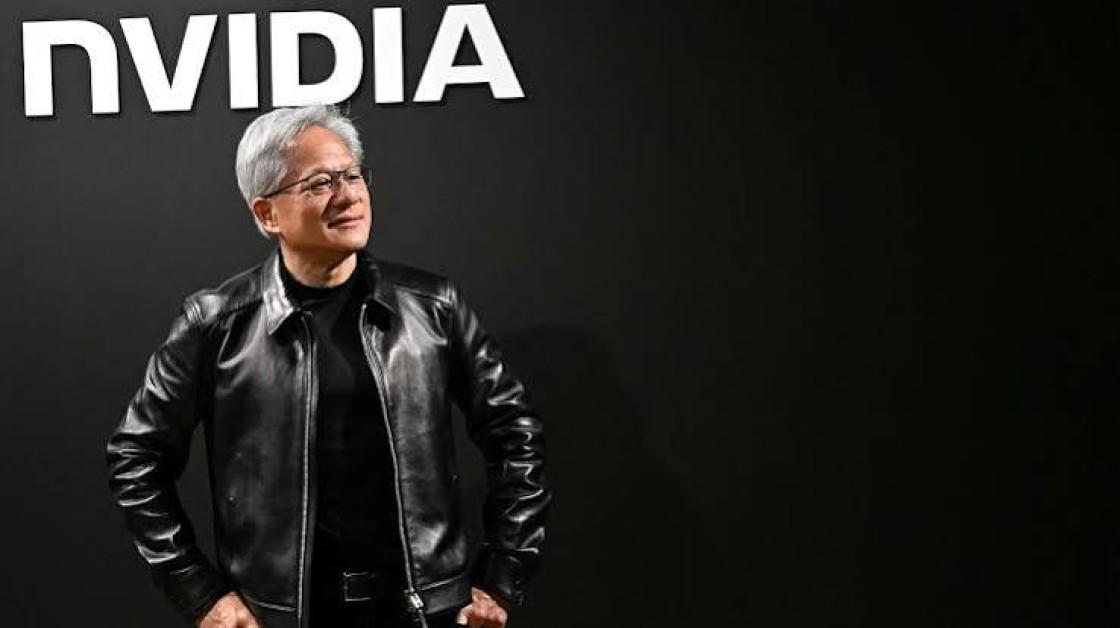
Jensen Huang Reportedly Discusses Return to Nvidia Days After Resignation
Former Nvidia Chief Executive Officer Jensen Huang is considering a return to the semiconductor giant and has discussed the possibility with close associates, according to a Financial Times report published on November 15, 2026.
The reported discussions come just days after Huang resigned as Nvidia's president, chief executive officer and board member on November 12, ending his 33-year tenure leading the company he co-founded.
The Financial Times reported that Huang's allies are organising an effort to persuade Nvidia's board of directors to reinstate him.
According to people familiar with the discussions, supporters are seeking assistance from influential Silicon Valley executives and may approach the White House to strengthen their campaign.
One ally reportedly described plans to establish a coordinated group of technology industry figures to advocate for Huang's return.
The report indicated that Huang supports these efforts.
However, neither Nvidia nor Huang has publicly confirmed a formal proposal for his reinstatement.
The development comes during an unusually sensitive period for Nvidia, which faces leadership uncertainty, scrutiny of its corporate governance and questions concerning compliance with US restrictions on advanced semiconductor exports to China.
The company's board has appointed Chief Financial Officer Colette Kress as interim CEO while it evaluates permanent leadership options.
The situation has attracted attention from technology executives, major shareholders, US government officials and investors because of Nvidia's central position in the global artificial intelligence industry.
Nvidia Leadership Crisis: Key Developments

|
Particulars |
Details |
|---|---|
|
Company |
Nvidia Corporation |
|
Former CEO |
Jensen Huang |
|
Resignation date |
November 12, 2026 |
|
Interim CEO |
Colette Kress |
|
Board chair |
Harvey C. Jones |
|
Comeback report |
November 15, 2026 |
|
Reporting publication |
Financial Times |
|
Status of comeback |
Under discussion; not confirmed |
|
Supporters |
Technology executives, employees and investors |
|
Potential external candidate |
Arm CEO Rene Haas |
|
Next earnings announcement |
November 17, 2026 |
|
Nasdaq ticker |
NVDA |
|
Final CEO appointment |
Not announced |
The distinction between reported discussions and an official corporate decision is important.
Huang's potential return remains uncertain, and Nvidia's board has not announced any change to its interim leadership arrangements.
Why Jensen Huang Resigned as Nvidia CEO
Nvidia announced Huang's immediate resignation on November 12, 2026.
His departure followed reports concerning personal relationships that raised questions about executive conduct and potential conflicts of interest.
One reported relationship involved a woman whom US authorities suspect of having connections to Chinese intelligence.
Another involved an Nvidia employee who reportedly had a subordinate relationship to Huang.
The allegations have attracted scrutiny because Nvidia operates in a strategically sensitive industry subject to US export controls.
Questions have emerged about whether any personal relationships could have affected compliance procedures or business decisions involving advanced AI chips.
However, the allegations and any potential regulatory implications must be distinguished from established findings.
An independent investigation into Huang's conduct has been reported, and its conclusions have not been publicly established.
There has been no confirmed finding in the available reporting that Huang personally authorised an unlawful semiconductor export.
Nvidia Announces Immediate Leadership Transition
Following Huang's departure, Nvidia appointed Colette Kress as interim chief executive officer.
Kress also continues to serve as the company's chief financial officer.
The board appointed Harvey C. Jones as its chair.
Nvidia stated that its leadership team would continue executing the company's technology roadmap and serving customers during the transition.
The company also announced that its board would consider internal and external candidates for the permanent CEO position.
Silicon Valley Allies Organise Campaign for Huang's Return
The Financial Times reported that supporters of Huang are coordinating efforts to secure his reinstatement.
According to the report, one ally is assembling a group of influential Silicon Valley executives to lobby Nvidia's board.
The supporters also intend to explore backing from the White House.
The reported campaign reflects Huang's longstanding influence across the semiconductor and artificial intelligence industries.
Why Technology Executives Support Huang
Huang played a central role in Nvidia's transformation from a graphics processor manufacturer into a major supplier of accelerated computing infrastructure.
Under his leadership, Nvidia expanded its presence in AI training, inference, data centre computing and related software technologies.
Its graphics processing units became essential components of many advanced AI computing systems.
Supporters argue that Huang's technical knowledge, industry relationships and strategic experience are difficult to replace.
However, his professional achievements do not resolve the governance questions surrounding his departure.
The decision about whether he can return rests with Nvidia's board.
Elon Musk and Other Technology Leaders Back Reinstatement Effort
A public campaign supporting Huang gained momentum over the weekend following his resignation.
An open letter urging Nvidia's board to consider bringing him back attracted more than 158,000 signatures, according to reports published on November 15 and 16.
Prominent supporters included Tesla and SpaceX CEO Elon Musk and Epic Games CEO Tim Sweeney.
Other technology industry figures also supported the campaign.
Public Campaign Seeks Board Reconsideration
The campaign calls on Nvidia's directors to reconsider Huang's departure while an independent investigation examines the circumstances.
Supporters have emphasised his contributions to Nvidia and the wider technology industry.
However, the petition is not an official Nvidia initiative.
It also does not establish that the board intends to reverse its leadership decision.
Employee Support Adds Pressure
Reports indicate that some Nvidia employees have publicly expressed support for Huang.
An employee-backed campaign could influence perceptions of the company's internal leadership environment.
However, employee support does not replace the board's responsibility to evaluate executive conduct, corporate governance and business continuity.
Major Nvidia Shareholders Urge Board to Keep Options Open
The leadership debate has also drawn attention from institutional investors.
Altimeter Capital founder Brad Gerstner and Atreides Management chief Gavin Baker publicly urged Nvidia's board to consider multiple leadership options, including Huang's possible return.
Their appeal reflected concerns about the uncertainty created by the sudden departure of Nvidia's longtime chief executive.
Why Investors Are Concerned
Nvidia's valuation is closely connected to expectations for continued growth in artificial intelligence infrastructure.
Investors assess the company's ability to maintain technology leadership, manage supply relationships and execute its product roadmap.
An unexpected change in leadership can create uncertainty about strategic direction.
For Nvidia, the challenge is particularly significant because Huang was closely associated with the company's long-term vision.
However, investors must also consider the importance of governance standards and regulatory compliance.
A leadership decision based solely on short-term market sentiment could create additional risks.
US Treasury Secretary Scott Bessent Calls for Leadership Overhaul
The reported comeback effort faces opposition from some US policymakers.
Treasury Secretary Scott Bessent said on November 15 that Nvidia should consider an external candidate for its next chief executive.
He called for a significant change in the company's leadership and raised questions about its compliance with restrictions on semiconductor exports.
His comments reflect broader concerns in Washington about advanced AI technology and national security.
Export Controls Become Central to Leadership Debate
The United States restricts exports of certain advanced semiconductor technologies to China.
These measures are intended to limit access to computing capabilities considered strategically sensitive.
Nvidia is directly affected because its AI processors are among the most advanced chips used in high-performance computing.
The recent allegations surrounding Huang have increased attention on whether Nvidia maintained appropriate compliance procedures.
Bessent has called for answers about the company's conduct and oversight.
However, questions about compliance should not be interpreted as proof that violations occurred.
Nvidia Board Considers Permanent CEO Candidates
Nvidia's board is evaluating its leadership options following Huang's resignation.
The Financial Times previously reported that directors had approached Rene Haas, chief executive officer of Arm Holdings, as a potential successor.
Arm is a major semiconductor technology company known for processor architecture and intellectual property licensing.
Haas has experience in the global semiconductor industry.
However, Nvidia has not announced his appointment or confirmed that he is a formal candidate.
Internal and External Candidates
The board may consider executives from within Nvidia as well as leaders from other technology companies.
An internal appointment could provide continuity with the company's existing operations and strategy.
An external appointment could introduce a different management approach.
The appropriate choice will depend on the board's assessment of the company's requirements.
Huang's Return Remains One Possible Outcome
The reported discussions suggest that reinstatement remains an option being advocated by some stakeholders.
However, Huang does not hold a controlling ownership stake that would allow him to determine the board's decision independently.
His return would require support through the company's governance process.
Colette Kress Leads Nvidia During Transition
Colette Kress has assumed the interim chief executive role while retaining her position as chief financial officer.
She joined Nvidia in 2013 and has overseen its finance organisation during a period of substantial expansion.
Her experience includes senior financial leadership roles at major technology companies.
Immediate Management Priorities
The interim leadership team faces several important responsibilities.
Business continuity
Nvidia must continue serving customers and fulfilling commercial commitments.
Product development
The company needs to maintain progress on its semiconductor and software roadmaps.
Financial reporting
Management must provide investors with timely information about business performance.
Corporate governance
The board must address leadership uncertainty and any findings arising from the reported investigation.
Regulatory compliance
Nvidia must continue managing obligations associated with international semiconductor trade.
The company's operational performance during the transition will influence investor confidence.
Nvidia's AI Leadership Makes CEO Decision Globally Significant
Nvidia has become one of the most influential companies in the global artificial intelligence industry.
Its graphics processing units are widely used in AI data centres, scientific computing and advanced machine learning applications.
The company also provides software and networking technologies that support large computing systems.
Why Nvidia Matters to the AI Industry
AI developers require substantial computing resources to train and operate advanced models.
Nvidia's technology is widely used by cloud service providers, research organisations and enterprises.
Its products are integrated into infrastructure projects involving major technology companies.
Consequently, leadership developments at Nvidia can influence expectations across the semiconductor supply chain.
Impact on Customers and Partners
Nvidia works with manufacturers, cloud providers, software developers and infrastructure companies.
These relationships involve complex product development and supply arrangements.
Leadership uncertainty could create questions about future strategy.
However, there is no confirmation that Huang's resignation has caused Nvidia to suspend customer deliveries or abandon its existing technology roadmap.
Nvidia Stock Faces Leadership and Governance Uncertainty
Nvidia shares have experienced volatility following Huang's departure.
Investors are evaluating the implications of the leadership transition alongside concerns about governance and export compliance.
The company's stock trades on Nasdaq under the ticker NVDA.
Factors Influencing Investor Sentiment
Leadership continuity
Investors will assess whether the company can maintain its strategic direction under new management.
Board decisions
The selection of a permanent CEO could influence market expectations.
Regulatory developments
Any findings involving export controls or corporate compliance could affect business operations.
Financial performance
Revenue growth, profitability and future guidance remain central to Nvidia's valuation.
AI infrastructure demand
Customer spending on data centres and advanced computing will continue to influence the company's outlook.
Short-term market movements should not be interpreted as a definitive assessment of the company's long-term prospects.
Nvidia Earnings on November 17 Become a Critical Test
Nvidia is scheduled to report its third-quarter fiscal 2027 financial results on Tuesday, November 17, 2026.
The announcement will be particularly important because it comes during the leadership transition.
Investors will examine the company's financial performance and management's outlook for the coming quarters.
Key Earnings Indicators
|
Indicator |
Why it matters |
|---|---|
|
Data centre revenue |
Measures demand for AI computing infrastructure |
|
Gross margin |
Indicates profitability across the product portfolio |
|
Operating expenses |
Reflects investment in research and business operations |
|
Earnings per share |
Provides a measure of profitability attributable to shareholders |
|
Revenue guidance |
Indicates management's expectations for future business |
|
Customer demand |
Helps assess AI infrastructure spending |
|
Leadership commentary |
May clarify management continuity and strategic priorities |
The earnings announcement could provide an opportunity for interim management to address operational concerns.
However, Nvidia has not indicated that it will announce a permanent CEO alongside its financial results.
Corporate Governance Becomes a Central Issue
The reported effort to reinstate Huang raises broader questions about corporate governance at founder-led technology companies.
Founders can play important roles in establishing company strategy, culture and investor relationships.
However, publicly traded companies must operate through formal governance structures.
Board Responsibilities
Directors are responsible for overseeing management and acting in the interests of the company and its shareholders.
Executive succession decisions involve considerations beyond an individual's previous business achievements.
These include conduct, compliance, organisational stability and future leadership requirements.
Importance of Independent Investigation
An independent investigation can help establish relevant facts and inform governance decisions.
The credibility of the process depends on its independence, scope and conclusions.
Nvidia's board will need to consider any findings before determining its long-term leadership arrangements.
Shareholder Influence
Institutional investors can communicate concerns and advocate for particular outcomes.
However, shareholders generally do not directly appoint a CEO through public petitions.
The authority to select executive leadership rests with the board under the company's governance framework.
US-China Semiconductor Tensions Add Complexity
The leadership crisis is unfolding amid continuing tensions between the United States and China over advanced semiconductor technology.
AI chips are important for data centres, scientific computing and the development of sophisticated artificial intelligence systems.
The United States has imposed export restrictions on certain advanced chips and related technologies.
These policies affect Nvidia's international business opportunities.
Why Compliance Matters
Semiconductor companies must evaluate whether products, customers and transactions fall within applicable export control requirements.
Compliance procedures may involve customer screening, documentation and restrictions on certain transactions.
Questions about the effectiveness of these controls can attract regulatory scrutiny.
Potential Business Implications
Any confirmed compliance violations could create legal, regulatory or commercial consequences.
However, the existence of allegations or an investigation does not establish wrongdoing.
Investors will monitor whether authorities announce formal findings or enforcement actions.
Implications for the Global Semiconductor Industry
Nvidia occupies an important position in the global semiconductor ecosystem.
Its business involves chip design, software development and partnerships with manufacturers and infrastructure providers.
The leadership transition could influence perceptions of stability across this ecosystem.
Semiconductor Suppliers
Companies supplying components and manufacturing services to Nvidia may monitor developments affecting its production plans.
Cloud Computing Companies
Major cloud providers depend on advanced computing hardware to expand AI infrastructure.
They will remain focused on product availability, performance and delivery commitments.
AI Developers
Research organisations and commercial AI developers use Nvidia technology for training and inference workloads.
Competing Chipmakers
Other semiconductor companies may seek opportunities as customers evaluate alternative computing platforms.
However, there is no evidence that Nvidia's leadership transition has already produced a material shift in global semiconductor market share.
What Happens Next in Nvidia's CEO Succession?
Several developments will determine how the leadership crisis unfolds.
The first is whether Huang formally seeks reinstatement.
The Financial Times has reported discussions with allies, but no formal request has been publicly confirmed.
The second is Nvidia's board process for selecting a permanent chief executive.
The third is the outcome of the reported investigation into Huang's conduct.
The fourth is the response from US policymakers and regulatory authorities.
Finally, Nvidia's financial performance and management commentary during the November 17 earnings announcement will be closely monitored.
Possible Leadership Outcomes
The board could appoint a permanent CEO from within the company.
It could select an external technology executive.
It could continue with interim leadership while evaluating candidates.
Alternatively, it could consider Huang's reinstatement if directors determine that doing so is appropriate.
None of these outcomes has been confirmed.
Conclusion
Former Nvidia CEO Jensen Huang is reportedly exploring a return to the company just days after resigning on November 12, 2026.
According to the Financial Times, Huang has discussed the possibility with close associates, while supporters in Silicon Valley are organising efforts to persuade Nvidia's board to reinstate him.
The campaign has attracted backing from prominent technology executives, employees and major investors.
However, the effort faces significant obstacles, including corporate governance concerns, an ongoing reported investigation and opposition from some US policymakers.
Nvidia has appointed Colette Kress as interim CEO and is evaluating permanent leadership options.
The company's board must balance leadership continuity with its responsibilities for governance, compliance and long-term business performance.
The situation is particularly important because Nvidia remains a central supplier of computing technology to the global artificial intelligence industry.
With quarterly earnings scheduled for November 17, investors will closely examine the company's financial performance and its ability to maintain operational stability.
Huang's potential return remains uncertain, and no formal reinstatement decision has been announced.
The coming days could provide greater clarity on Nvidia's leadership direction, the board's succession process and the company's response to regulatory and governance concerns.
 Jensen Huang Considers Nvidia CEO Comeback as Allies Lobby Board Following Resignation FAQs

POST A COMMENT (0)
All Comments (0)
Replies (0)