





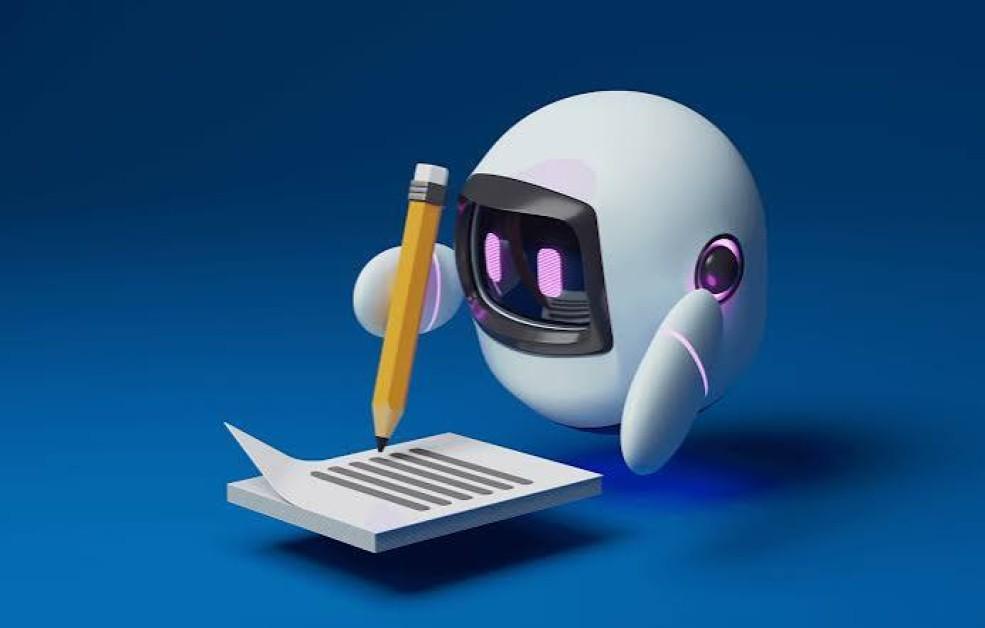
AI for Writers: How Artificial Intelligence Is Transforming Content Creation
Artificial Intelligence (AI) is reshaping the writing industry by helping writers generate ideas, improve productivity, edit content, and streamline research. Rather than replacing human creativity, AI serves as a writing assistant that helps authors, journalists, bloggers, marketers, students, and business professionals produce content more efficiently.
From brainstorming article ideas to proofreading drafts and optimizing content for search engines, AI has become an increasingly valuable tool for modern writers.
What Is AI for Writing?

AI for writing refers to the use of artificial intelligence technologies to assist with content creation, editing, grammar checking, idea generation, research support, translation, and workflow automation.
AI-powered writing tools analyze language patterns to generate text, improve readability, suggest revisions, and help writers develop content more quickly.
How AI Helps Writers
AI supports writers throughout the content creation process.
1. Brainstorming Ideas
AI can generate ideas for:
- Blog topics
- News articles
- Books
- Marketing campaigns
- Social media posts
- Video scripts
- Email newsletters
This helps writers overcome creative blocks and explore fresh angles.
2. Content Drafting
AI can help create first drafts for:
- Articles
- Reports
- Product descriptions
- Website content
- Press releases
- Business documents
These drafts should be reviewed, verified, and refined by the writer before publication.
3. Grammar and Style Improvement
AI can identify:
- Grammar mistakes
- Spelling errors
- Punctuation issues
- Repetitive wording
- Readability improvements
- Tone inconsistencies
This helps produce polished and professional content.
4. Research Assistance
AI can help organize and summarize publicly available information, explain concepts, and suggest areas for further research.
Writers should verify important facts using reliable and up-to-date sources, especially for news, legal, financial, or medical topics.
5. SEO Optimization
AI can assist with:
- Keyword suggestions
- Meta titles
- Meta descriptions
- Headings
- Content structure
- Internal linking ideas
These recommendations can help improve search engine visibility.
6. Content Summarization
AI can summarize:
- Research papers
- Reports
- Articles
- Books
- Meeting notes
- Interviews
This allows writers to review large amounts of information more efficiently.
7. Translation and Localization
AI can translate content into multiple languages and help adapt writing for different regions and audiences.
Human review remains important for accuracy, cultural context, and tone.
8. Workflow Automation
AI can automate repetitive writing tasks such as:
- Creating outlines
- Formatting documents
- Generating headlines
- Drafting email responses
- Organizing research notes
- Repurposing content for different platforms
Benefits of AI for Writers
AI offers several significant advantages.
Increased Productivity
Writers can complete routine tasks more quickly and focus on creativity.
Faster Content Creation
AI accelerates brainstorming, outlining, and drafting.
Improved Writing Quality
Grammar, readability, and clarity can be enhanced with AI-assisted editing.
Better SEO Support
AI helps optimize content for search engines without replacing editorial judgment.
Reduced Writer's Block
Idea generation tools provide inspiration when starting new projects.
Challenges of AI in Writing
Despite its benefits, AI presents several challenges.
Accuracy
AI-generated text may contain factual errors or outdated information and should always be fact-checked.
Originality
Writers should ensure content reflects original thinking, unique insights, and appropriate attribution where needed.
Tone and Context
AI may not always capture the intended voice, audience expectations, or cultural nuances.
Ethical Considerations
Writers should disclose AI use when required by employers, publishers, or organizational policies and follow copyright and editorial guidelines.
Best Practices for Writers Using AI
Professional writers should follow these recommendations.
Use AI as an Assistant
Let AI support brainstorming, drafting, and editing while maintaining human creativity and editorial control.
Verify Facts
Check important information against reliable sources before publishing.
Edit Every Draft
Review AI-generated content for clarity, accuracy, style, and consistency.
Preserve Your Voice
Ensure the final content reflects your unique writing style and intended audience.
Respect Copyright and Policies
Understand the licensing and usage terms of AI tools and follow applicable editorial standards.
Common Applications of AI in Writing
AI is increasingly used for:
- Blog writing
- News drafting
- Copywriting
- Technical writing
- Academic writing support
- Email writing
- Social media content
- Scriptwriting
- Product descriptions
- Marketing content
- Translation
- Proofreading
Future of AI in Writing
Artificial Intelligence is expected to become even more capable through multimodal content creation, real-time collaboration, personalized writing assistance, advanced language translation, automated research support, and intelligent editing systems. Future AI tools are likely to integrate more deeply into publishing platforms, helping writers produce content faster while supporting creativity, accessibility, and multilingual communication. Human writers, however, will continue to play a central role in ensuring originality, accuracy, ethics, and meaningful storytelling.
Conclusion
Artificial Intelligence is transforming the writing profession by helping writers brainstorm ideas, draft content, improve grammar, optimize for SEO, and automate repetitive tasks. Rather than replacing human creativity, AI serves as a powerful writing assistant that enhances productivity and supports better content creation. When combined with critical thinking, fact-checking, and editorial expertise, AI enables writers to create high-quality, engaging, and accurate content more efficiently.
 AI for Writers: Benefits, Writing Applications, Challenges, and Future Explained FAQs
POST A COMMENT (0)
All Comments (0)
Replies (0)