





AI for Nonprofits: How Artificial Intelligence Is Transforming Mission-Driven Organizations
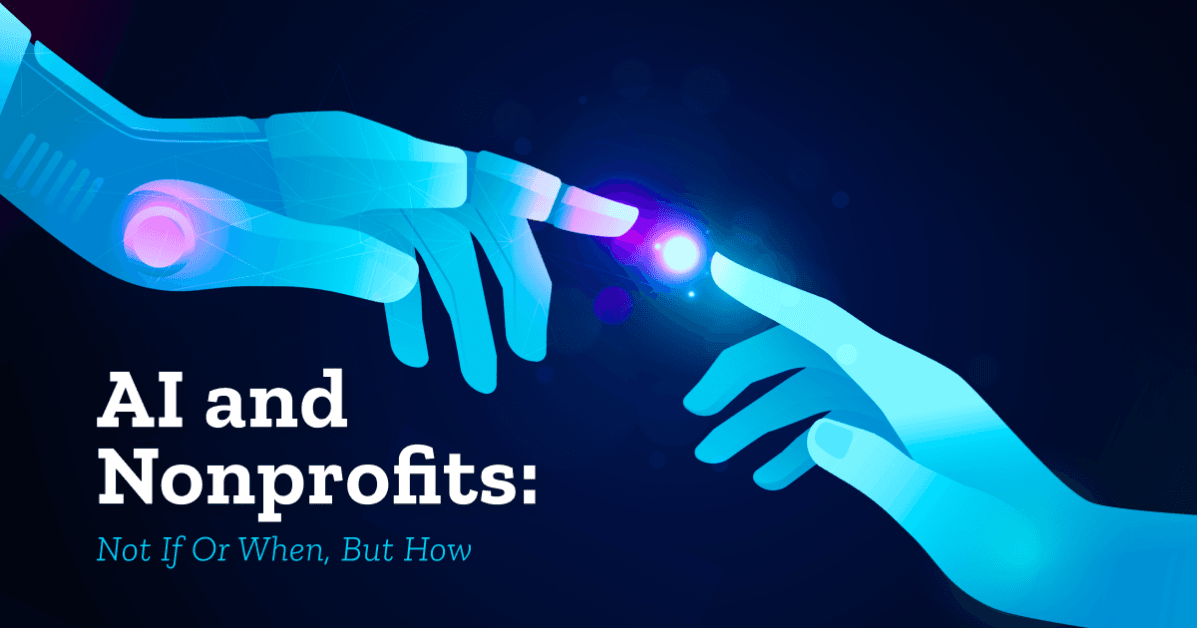
Artificial Intelligence (AI) is helping nonprofit organizations achieve greater impact by improving fundraising, streamlining operations, strengthening donor relationships, and supporting data-driven decision-making. Rather than replacing nonprofit professionals or volunteers, AI acts as a powerful assistant that automates repetitive tasks and helps organizations focus more on serving their communities and advancing their missions.
From grant writing and donor analysis to volunteer management and program evaluation, AI is becoming an increasingly valuable tool for nonprofits of all sizes.
What Is AI for Nonprofits?

AI for nonprofits refers to the use of artificial intelligence technologies to support fundraising, donor management, volunteer coordination, program planning, communication, reporting, and operational efficiency.
AI-powered nonprofit tools analyze data, automate workflows, generate insights, and assist organizations in making more informed decisions while maximizing their social impact.
How AI Helps Nonprofits
AI supports nonprofit organizations across many operational areas.
1. Fundraising Support
AI can help nonprofits by:
- Identifying potential donors
- Analyzing giving patterns
- Predicting fundraising trends
- Personalizing donation campaigns
- Optimizing outreach strategies
These insights help organizations strengthen fundraising efforts.
2. Grant Writing
AI can assist in drafting:
- Grant proposals
- Project summaries
- Program descriptions
- Budget narratives
- Impact statements
Nonprofit teams should review and customize every proposal before submission.
3. Donor Engagement
AI helps organizations improve donor relationships by:
- Personalizing communications
- Drafting thank-you messages
- Segmenting donor audiences
- Recommending follow-up actions
- Tracking engagement trends
This supports stronger long-term donor relationships.
4. Volunteer Management
AI can assist with:
- Volunteer scheduling
- Skill matching
- Task assignments
- Event coordination
- Communication reminders
These capabilities help improve volunteer experiences and operational efficiency.
5. Program Evaluation
AI can analyze program data to identify:
- Participation trends
- Service outcomes
- Performance indicators
- Resource utilization
- Areas for improvement
These insights support evidence-based program management.
6. Marketing and Awareness
AI can help create:
- Social media posts
- Email newsletters
- Website content
- Campaign materials
- Press releases
- Educational resources
Organizations should review AI-generated content to ensure it aligns with their mission and messaging.
7. Administrative Automation
AI automates routine nonprofit tasks such as:
- Scheduling meetings
- Organizing documents
- Drafting emails
- Summarizing meetings
- Preparing reports
- Managing workflows
This allows staff to spend more time on mission-focused work.
8. Data Analysis and Reporting
AI helps nonprofits analyze:
- Donor databases
- Financial information
- Program metrics
- Community needs
- Operational performance
These insights support strategic planning and reporting to stakeholders.
Benefits of AI for Nonprofits
AI offers several important advantages.
Increased Efficiency
Automation reduces repetitive administrative work.
Better Fundraising
AI helps organizations better understand donor behavior and optimize fundraising campaigns.
Improved Decision-Making
Data-driven insights support planning, resource allocation, and program development.
Enhanced Community Engagement
Personalized communication strengthens relationships with donors, volunteers, and beneficiaries.
Cost-Effective Operations
AI helps nonprofits maximize limited resources by improving productivity and reducing manual workloads.
Challenges of AI for Nonprofits
Despite its benefits, AI also presents important challenges.
Budget Constraints
Some AI tools may require investments that are difficult for smaller nonprofits, although many affordable and nonprofit-focused options are becoming available.
Data Privacy
Organizations must protect donor, volunteer, employee, and beneficiary information while complying with applicable privacy regulations.
Data Quality
AI recommendations depend on accurate and up-to-date organizational data.
Human Oversight
Mission-critical decisions, community engagement, and ethical considerations require human judgment and accountability.
Best Practices for Nonprofits Using AI
Nonprofit organizations should follow these recommendations.
Use AI as a Support Tool
Allow AI to automate routine work while keeping people at the center of mission delivery and decision-making.
Protect Sensitive Information
Use secure AI platforms and follow data privacy and cybersecurity best practices.
Review AI Outputs
Verify grant proposals, fundraising materials, reports, and communications before sharing them.
Train Staff and Volunteers
Provide education on AI capabilities, limitations, and responsible use.
Focus on Mission Impact
Adopt AI solutions that directly support organizational goals and improve outcomes for the communities you serve.
Common Applications of AI for Nonprofits
AI is increasingly used for:
- Fundraising
- Donor management
- Grant writing
- Volunteer coordination
- Program evaluation
- Marketing and communications
- Financial reporting
- Data analysis
- Workflow automation
- Event planning
- Community outreach
- Impact measurement
Future of AI for Nonprofits
Artificial Intelligence is expected to play an even greater role in the nonprofit sector through predictive fundraising, personalized donor engagement, intelligent grant discovery, automated impact reporting, AI-powered volunteer matching, and advanced program analytics. As AI technologies continue to evolve, nonprofits will increasingly use intelligent automation to improve operational efficiency, strengthen stakeholder relationships, and maximize their social impact while maintaining transparency, accountability, and ethical governance.
Conclusion
Artificial Intelligence is transforming nonprofit organizations by helping them improve fundraising, streamline operations, strengthen donor relationships, and make data-informed decisions. Rather than replacing nonprofit professionals or volunteers, AI serves as a valuable assistant that enhances productivity and supports mission-driven work. When combined with human compassion, ethical leadership, and community engagement, AI enables nonprofits to expand their reach and create greater positive impact.
 AI for Nonprofits: Benefits, Applications, Challenges, and Future Explained FAQs
POST A COMMENT (0)
All Comments (0)
Replies (0)