





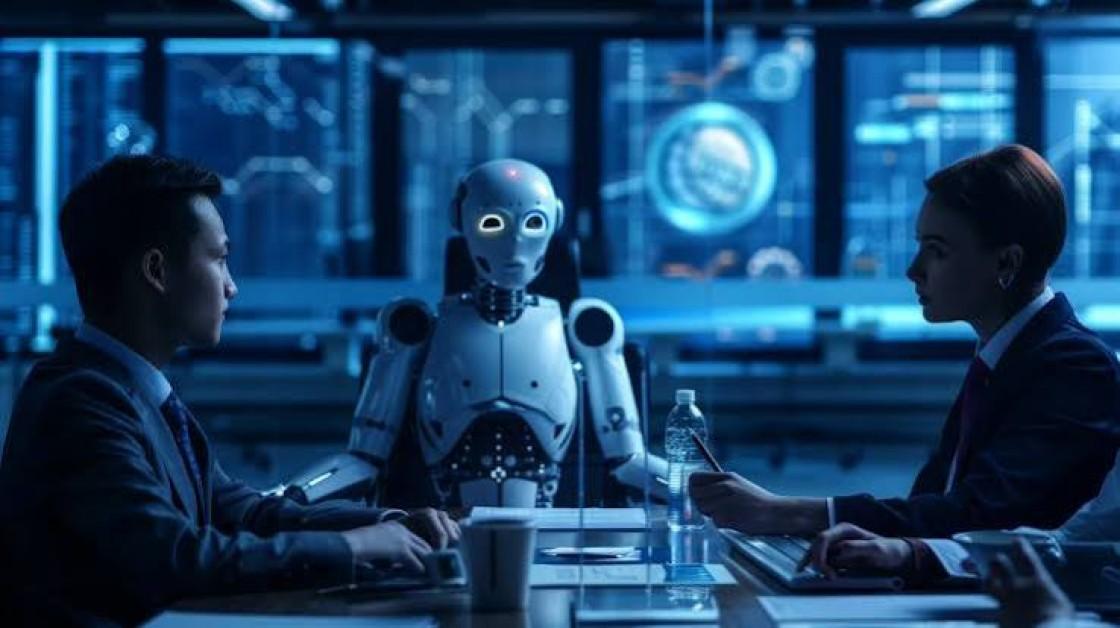
AI for Interview Preparation: How Artificial Intelligence Is Transforming Job Interview Success
Artificial Intelligence (AI) is transforming interview preparation by helping job seekers practice interviews, improve communication skills, receive personalized feedback, and build confidence before meeting recruiters. Whether applying for entry-level positions, experienced roles, internships, or executive leadership opportunities, AI-powered interview preparation tools provide structured guidance that helps candidates prepare more effectively.
Rather than replacing career coaches or human interviewers, AI serves as an intelligent career assistant that enables candidates to practice, identify improvement areas, and refine their interview performance.
What Is AI for Interview Preparation?

AI for interview preparation refers to the use of artificial intelligence technologies to help candidates prepare for job interviews through mock interviews, personalized coaching, communication analysis, resume evaluation, and skill assessments.
AI-powered interview platforms use natural language processing (NLP), speech recognition, machine learning, and data analytics to simulate interview experiences and provide feedback based on a candidate's responses and communication style.
How AI Helps with Interview Preparation
AI supports candidates throughout the interview preparation process.
1. Mock Interviews
AI conducts realistic practice interviews by asking questions related to:
- Job roles
- Technical skills
- Behavioral scenarios
- Leadership experience
- Problem-solving
- Industry knowledge
Candidates can practice repeatedly in a low-pressure environment.
2. Personalized Feedback
AI evaluates interview responses by analyzing:
- Clarity
- Relevance
- Confidence
- Communication style
- Answer structure
- Completeness
Feedback helps candidates improve future responses.
3. Resume Analysis
AI reviews resumes to identify:
- Missing information
- Formatting improvements
- Keyword optimization
- Skill presentation
- Experience highlights
- Alignment with job descriptions
Candidates should ensure resumes accurately represent their qualifications.
4. Communication Coaching
AI helps improve communication skills by providing guidance on:
- Speaking pace
- Pronunciation
- Filler words
- Tone of voice
- Confidence
- Professional language
Human practice remains essential for developing authentic communication skills.
5. Behavioral Interview Practice
AI generates common behavioral questions covering topics such as:
- Teamwork
- Leadership
- Conflict resolution
- Time management
- Adaptability
- Decision-making
Candidates can organize their experiences into structured and relevant answers.
6. Technical Interview Support
AI assists candidates preparing for technical interviews by helping them:
- Review technical concepts
- Practice coding questions
- Solve case studies
- Understand industry terminology
- Revise subject knowledge
- Strengthen problem-solving approaches
AI complements hands-on practice and domain expertise.
7. Progress Tracking
AI monitors preparation by tracking:
- Practice sessions
- Response quality
- Confidence improvements
- Communication skills
- Learning consistency
- Readiness levels
These insights help candidates focus on areas needing improvement.
8. Workflow Automation
AI automates repetitive preparation tasks such as:
- Scheduling practice sessions
- Creating interview questions
- Organizing study materials
- Tracking progress
- Sending reminders
- Generating performance reports
Automation helps candidates prepare more efficiently.
Benefits of AI for Interview Preparation
AI provides several important advantages.
Builds Confidence
Regular practice reduces interview anxiety and improves self-confidence.
Personalized Coaching
AI adapts recommendations based on a candidate's performance.
Saves Time
Automated feedback and structured practice reduce preparation time.
Improves Communication
Candidates receive guidance on delivering clearer and more professional responses.
Accessible Learning
AI interview tools allow candidates to practice anytime and from virtually anywhere.
Challenges of AI for Interview Preparation
Despite its benefits, AI also presents important challenges.
Human Interaction
AI cannot fully replicate the interpersonal dynamics of real interviews or the unique communication styles of different interviewers.
Industry Context
Certain specialized roles may require human mentors with domain-specific expertise.
Cultural Nuances
Interview expectations and communication styles may differ across industries and regions.
Human Judgment
Final hiring decisions depend on recruiters and hiring managers, not AI tools.
Best Practices for Using AI for Interview Preparation
Candidates should follow these recommendations.
Practice Regularly
Complete multiple mock interviews before attending real interviews.
Review Every Feedback Report
Use AI recommendations to improve communication, confidence, and answer quality.
Research the Employer
Combine AI preparation with research about the company, industry, and job role.
Practice Real Conversations
Conduct mock interviews with mentors, colleagues, or friends to gain real-world experience.
Continue Developing Professional Skills
Strengthen technical knowledge, communication, teamwork, and problem-solving abilities alongside AI-assisted preparation.
Common Applications of AI for Interview Preparation
AI is increasingly used for:
- Mock interviews
- Resume analysis
- Behavioral interview practice
- Technical interview preparation
- Communication coaching
- Career guidance
- Interview question generation
- Confidence building
- Performance tracking
- Recruitment preparation
- Professional development
- Learning workflow automation
Future of AI for Interview Preparation
Artificial Intelligence is expected to become even more advanced through realistic conversational interview simulations, emotion-aware communication analysis, personalized career coaching, industry-specific interview preparation, multilingual interview support, and deeper integration with recruitment platforms. As AI technologies continue to evolve, candidates will benefit from increasingly intelligent interview assistants while continuing to rely on human mentors, networking, and real interview experience for comprehensive career development.
Conclusion
Artificial Intelligence is transforming interview preparation by helping candidates practice interviews, improve communication, receive personalized feedback, analyze resumes, and strengthen job readiness. Rather than replacing career coaches or recruiters, AI serves as a valuable career assistant that improves confidence and preparation efficiency. When combined with professional guidance, company research, and continuous skill development, AI enables job seekers to approach interviews with greater confidence and a higher level of preparedness.
 AI for Interview Preparation: Interview Practice Applications, Challenges, and Future Explained FAQs
POST A COMMENT (0)
All Comments (0)
Replies (0)