





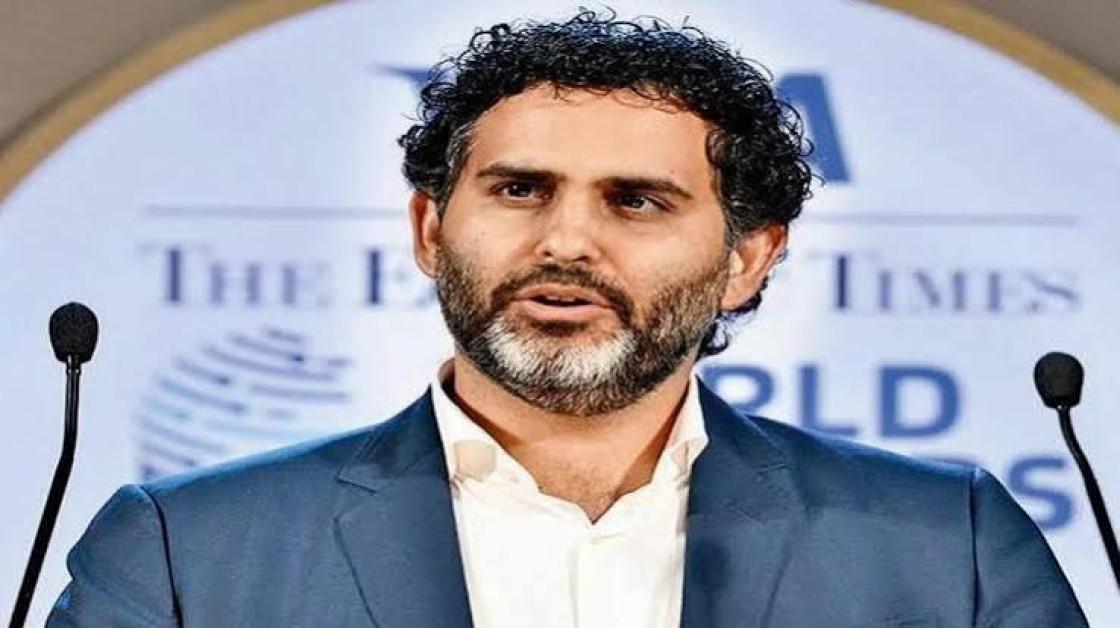
Satyan Gajwani Highlights Need for Long-Term Startup Funding
Gajwani's emphasis on patient capital reflects the distinctive financial requirements of deep-technology companies.
Unlike many consumer internet businesses, which can test commercial models and generate revenue relatively quickly, semiconductor and advanced AI startups may face prolonged development periods.
These companies often need to invest heavily in engineering, research infrastructure, intellectual property and technical validation before their products reach customers.
Investors supporting such businesses must therefore be prepared for longer timelines and uncertain development outcomes.
Patient capital refers to financing provided with an extended investment horizon, allowing companies to pursue sustainable technological and commercial development rather than prioritising immediate financial returns.
Why AI and Semiconductor Startups Need Patient Capital

Artificial intelligence and semiconductor startups operate in highly specialised and competitive markets.
Developing advanced AI models, computing systems or semiconductor products can involve substantial upfront expenditure.
AI businesses may require computing infrastructure, high-quality datasets, specialised engineering teams and continuous model evaluation.
Semiconductor companies face challenges involving chip architecture, design software, intellectual property, prototyping, testing and manufacturing access.
These costs can arise well before a company establishes recurring revenue.
Long-term financing can help startups manage development cycles without being forced to abandon technically promising projects because of short-term funding constraints.
India's AI Ecosystem Enters a New Development Phase
India's artificial intelligence ecosystem is expanding beyond conventional software applications toward more specialised technological capabilities.
Startups are exploring opportunities in enterprise automation, language technologies, healthcare, industrial systems, financial services and AI infrastructure.
The growing adoption of AI across industries creates opportunities for companies developing products tailored to domestic and international customers.
However, building foundational AI capabilities requires significant investment in computing resources, research talent and model development.
Companies developing advanced systems must also address data security, reliability, regulatory compliance and commercial deployment.
Access to patient capital could allow Indian AI startups to invest more consistently in these capabilities.
Semiconductor Startups Face Longer Development Cycles
The semiconductor industry presents particularly demanding technical and financial challenges.
Chip design requires specialised engineering knowledge and sophisticated electronic design automation tools.
Companies must also navigate complex intellectual property arrangements and access fabrication facilities for prototype and production runs.
Testing, packaging and qualification can add further time and expense.
Even successful semiconductor designs may require multiple development iterations before achieving commercial readiness.
These characteristics make semiconductor startups less suited to funding models that demand rapid revenue growth or early exits.
Investors with longer horizons may be better positioned to support companies developing differentiated chip technologies and related intellectual property.
Venture Capital Models May Need to Evolve
Traditional venture capital has played an important role in financing India's startup ecosystem.
However, the economics of deep-technology investment can differ considerably from those of software platforms and consumer internet companies.
Investors must evaluate scientific feasibility, technical milestones, product-development risks and potential market demand.
Commercial success may take longer to establish, while early-stage valuations can be difficult to determine.
Funding structures that provide capital across multiple development stages may be more appropriate for certain deep-technology businesses.
Such structures could include specialised venture funds, strategic corporate investment and partnerships with long-term institutional investors.
Government Initiatives Support Advanced Technology
India has introduced policy initiatives aimed at strengthening domestic capabilities in artificial intelligence and semiconductors.
The IndiaAI Mission seeks to support AI infrastructure, innovation, datasets, skills and related ecosystem development.
The India Semiconductor Mission forms part of the country's efforts to establish a stronger semiconductor and electronics manufacturing ecosystem.
These initiatives can help address infrastructure and ecosystem challenges that individual startups may struggle to overcome independently.
However, public support and private investment serve different functions.
Government programmes can help develop enabling infrastructure and encourage investment, while private capital is important for commercialising products, scaling businesses and building competitive companies.
Research Institutions Could Play a Larger Role
Universities, research laboratories and technical institutions are important sources of innovation in AI and semiconductor technologies.
Research-based startups often emerge from specialised technical work conducted over several years.
However, converting laboratory research into commercially viable products requires funding, engineering development and market access.
Closer collaboration between academic institutions, investors and industry could improve the commercialisation of research.
Technology-transfer arrangements, startup incubation and shared research infrastructure may also help reduce barriers for early-stage companies.
Patient capital can support this transition by providing financing during periods when technological progress is measurable but commercial revenue remains limited.
Domestic Intellectual Property Is a Strategic Priority
Building domestic intellectual property is important for India's long-term competitiveness in advanced technology.
Companies that develop proprietary algorithms, semiconductor designs or specialised computing technologies may create valuable assets with applications across multiple industries.
However, intellectual property development requires sustained investment and technical expertise.
Startups must also protect their innovations while navigating licensing agreements and international patent frameworks.
Long-term financing can help companies prioritise differentiated technology rather than relying entirely on short-term service contracts.
A stronger domestic intellectual property base could improve India's position within global technology supply chains.
Corporate Investors Can Support Deeptech Startups
Established technology and industrial companies can play an important role in financing and supporting deep-technology startups.
Corporate investors may provide capital alongside access to customers, technical expertise and commercial infrastructure.
For AI startups, partnerships with established enterprises can create opportunities to test and deploy products in real operating environments.
Semiconductor startups may benefit from relationships with electronics manufacturers, automotive companies, telecommunications suppliers and industrial equipment producers.
These partnerships can help reduce commercialisation risks.
However, startups must carefully structure agreements to protect intellectual property and maintain strategic flexibility.
Global Competition Raises the Importance of Scale
India's AI and semiconductor startups compete in markets shaped by major international technology companies and well-funded research organisations.
Advanced technology development requires access to talent, infrastructure and sustained investment.
Companies operating in these sectors must also adapt quickly as technological standards and customer requirements evolve.
Insufficient funding can make it difficult to retain specialised employees or complete product-development programmes.
Patient capital alone cannot guarantee competitiveness, but it can provide the financial stability needed to pursue ambitious technical objectives.
The ability to combine funding with research capabilities and commercial execution will remain essential.
What Patient Capital Could Mean for India's Startup Ecosystem
Greater availability of long-term financing could change the types of businesses emerging from India's startup ecosystem.
Entrepreneurs may become more willing to pursue complex technologies with extended development timelines.
Investors could also place greater emphasis on technical progress, intellectual property creation and long-term market potential.
However, patient capital must still be accompanied by financial discipline and clear performance milestones.
Companies need to demonstrate progress in product development, customer validation and commercial readiness.
The objective is not to eliminate accountability but to align investment expectations with the realities of building advanced technologies.
Conclusion
Times Internet Chairman Satyan Gajwani's call for patient capital highlights an important financing challenge facing India's artificial intelligence and semiconductor startups.
Both sectors require substantial investment in research, infrastructure, specialised talent and intellectual property before businesses can achieve commercial scale.
As India seeks to strengthen its position in advanced technology, long-term financing could help entrepreneurs develop products that are difficult to build within conventional startup investment timelines.
The growth of India's deep-technology ecosystem will depend on the combined efforts of investors, industry, research institutions and policymakers to support innovation while maintaining commercial discipline.
 Satyan Gajwani Urges Patient Capital for India's AI and Semiconductor Startups FAQs
POST A COMMENT (0)
All Comments (0)
Replies (0)