





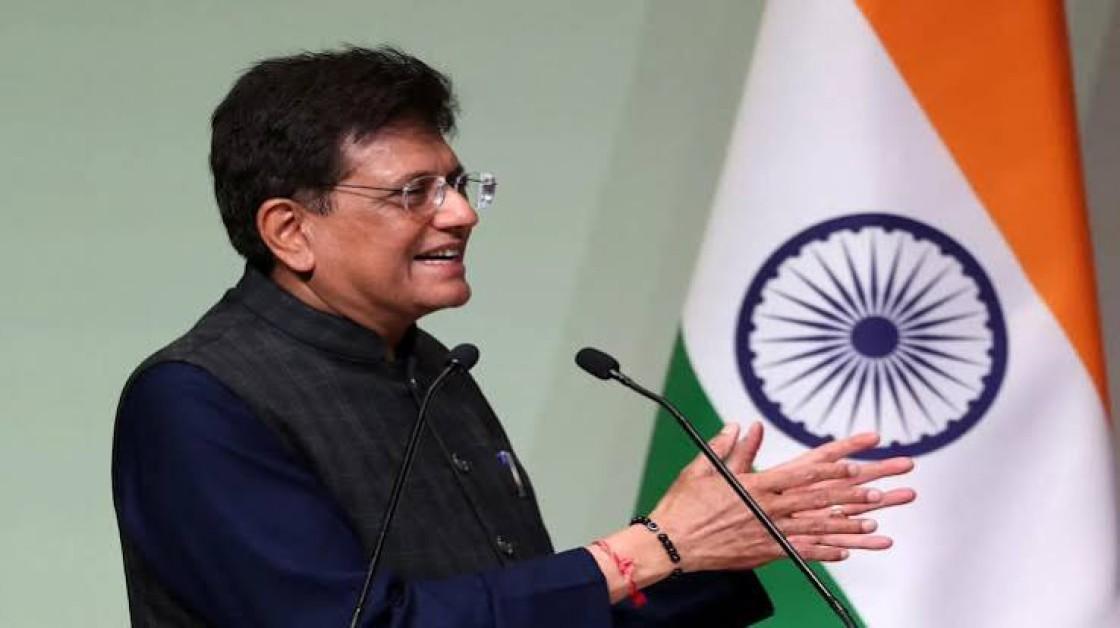
Piyush Goyal Encourages Startups to Target Global Markets
Goyal called on Indian entrepreneurs to approach international expansion as an important component of their long-term business strategies.
India's large domestic market provides startups with opportunities to test products, acquire customers and build operational capabilities.
However, international expansion can create additional growth opportunities by allowing companies to reach larger customer bases and diversify revenue.
Startups developing products in technology, manufacturing, healthcare, consumer goods and other sectors may find opportunities to serve international customers once they establish the necessary capabilities.
The minister's remarks highlight the importance of building businesses that can compete on quality, innovation, reliability and cost across global markets.
Government Support for International Exhibitions

A central element of the minister's message was the availability of government support for startups seeking exposure through international exhibitions.
Trade fairs, technology conferences and industry exhibitions provide businesses with opportunities to present their products to potential buyers and commercial partners.
For early-stage companies, the costs associated with overseas participation can be substantial.
Expenses may include exhibition space, travel, accommodation, product demonstrations, marketing materials and logistics.
Government-supported participation can help reduce some of these barriers, subject to the eligibility requirements and terms of the relevant programmes.
Specific funding amounts, application procedures and covered expenses depend on the scheme or initiative through which support is provided.
International Exhibitions Can Create Business Opportunities
Participation in overseas exhibitions can offer startups benefits beyond immediate product sales.
Such events bring together manufacturers, distributors, investors, technology companies and potential enterprise customers.
For startups developing business-to-business products, exhibitions can provide access to procurement teams and decision-makers who may otherwise be difficult to reach.
Consumer-focused businesses can use these events to understand market preferences, identify distribution partners and evaluate demand for their products.
Exhibitions can also provide valuable feedback on product quality, pricing, design and compliance requirements.
However, converting exhibition participation into commercial contracts requires preparation, follow-up and the ability to fulfil international orders.
Startup India Supports Entrepreneurship Ecosystem
The government's Startup India initiative has played an important role in creating a policy framework for entrepreneurship.
The initiative includes measures intended to support eligible startups through recognition, access to selected benefits, ecosystem development and connections with relevant institutions.
India has developed a large startup ecosystem spanning technology services, financial technology, healthcare, agriculture, manufacturing, logistics and consumer businesses.
The next stage of development increasingly involves helping companies move beyond early domestic growth toward sustainable international operations.
Global market access can become particularly important for startups operating in specialised industries where domestic demand alone may not provide sufficient scale.
Export-Oriented Startups Could Benefit
Startups developing exportable products and services may be particularly well positioned to benefit from international exposure.
Technology companies can often serve overseas customers through digital delivery models, while manufacturing and consumer-product startups may require distribution networks and physical supply chains.
India's growing capabilities in electronics, engineering, pharmaceuticals, software and specialised manufacturing provide opportunities for businesses seeking international customers.
Export expansion can also help companies reduce dependence on domestic market conditions.
However, overseas growth requires attention to product standards, customer support, taxation, logistics and regulatory compliance.
Global Expansion Requires More Than Market Access
Entering international markets presents operational challenges that startups must address carefully.
Different countries have distinct regulations governing product safety, data protection, taxation, intellectual property and commercial transactions.
Companies may also need to adapt products, packaging, pricing and customer communication to local preferences.
Currency fluctuations and cross-border payment arrangements can create additional financial considerations.
Startups seeking international growth therefore need a strategy that combines market research, regulatory preparation, reliable delivery capabilities and sufficient working capital.
Government-supported exhibitions can create initial connections, but sustained commercial success depends on execution.
International Partnerships Can Accelerate Growth
Partnerships with overseas distributors, technology companies and local service providers can help Indian startups enter unfamiliar markets.
Local partners may provide market knowledge, customer relationships and support with regulatory requirements.
For technology startups, international partnerships can also facilitate product integration, joint development and access to enterprise clients.
Manufacturing startups may benefit from distribution agreements and supply-chain relationships that reduce the cost of establishing a direct overseas presence.
These arrangements can help companies expand more efficiently, although businesses must carefully assess commercial terms and partner reliability.
Indian Startups Face Increasing Global Competition
As Indian startups enter international markets, they compete with established multinational businesses and emerging companies from other countries.
Success requires more than competitive pricing.
Customers increasingly evaluate product performance, reliability, cybersecurity, sustainability and after-sales service.
Startups must also protect intellectual property and develop brands that communicate credibility in unfamiliar markets.
For businesses operating in advanced technology sectors, continuous investment in research, product development and skilled employees will be essential.
International expansion can therefore encourage Indian companies to strengthen their operational standards and innovation capabilities.
Global Market Access Could Support Startup Funding
International growth can also influence how investors evaluate startups.
Companies with customers across multiple countries may demonstrate broader market potential and more diversified revenue opportunities.
Export contracts and recurring overseas revenue can provide evidence of demand beyond the domestic market.
However, investors will assess the profitability and sustainability of international operations rather than treating geographic expansion as an achievement in itself.
Startups must manage the costs of entering new markets while maintaining financial discipline.
For venture-backed businesses, balancing growth with capital efficiency remains particularly important.
Focus Shifts Toward Globally Competitive Indian Businesses
The minister's call reflects a broader policy emphasis on helping Indian companies participate more actively in global trade and innovation networks.
Startups can contribute by developing specialised products, improving industrial capabilities and creating new export opportunities.
International exhibitions offer one route to building commercial relationships, particularly for companies that have limited overseas networks.
The effectiveness of government support will depend on whether participating startups can convert international exposure into sustainable business.
Clear eligibility criteria, accessible application processes and continued export assistance can help entrepreneurs make better use of such opportunities.
Conclusion
Commerce and Industry Minister Piyush Goyal's call for Indian startups to expand internationally highlights the growing importance of global market access in India's entrepreneurship strategy.
Government support for participation in overseas exhibitions could help eligible startups overcome some of the initial barriers to meeting international buyers, investors and business partners.
However, building a successful global business requires product competitiveness, regulatory readiness, reliable operations and long-term customer relationships.
As India's startup ecosystem matures, the ability of emerging companies to establish sustainable international revenue streams will become an increasingly important measure of their competitiveness.
 Piyush Goyal Urges Indian Startups to Expand Globally, Offers Exhibition Support FAQs
POST A COMMENT (0)
All Comments (0)
Replies (0)