





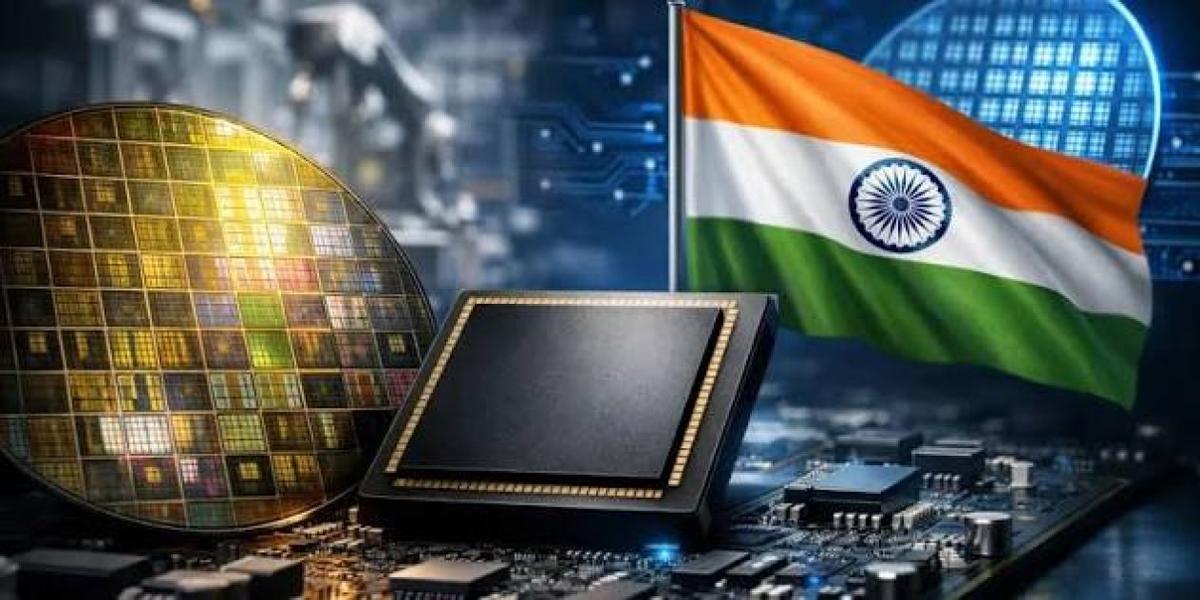
India's Semiconductor Mission Draws Fresh International Technology Partnerships to Boost Domestic Chip Manufacturing
India's Semiconductor Mission continues to attract fresh international technology partnerships as global companies expand their participation in the country's rapidly growing semiconductor ecosystem. The increasing collaboration between international technology firms, semiconductor manufacturers, and domestic companies reflects India's strategic push to build a globally competitive chip manufacturing industry and strengthen its position in the global electronics supply chain.
Supported by government initiatives, large-scale investments, and expanding manufacturing infrastructure, India's semiconductor sector is gaining momentum as an attractive destination for long-term technology partnerships.
India's Semiconductor Mission Gains Momentum

The India Semiconductor Mission aims to establish a comprehensive semiconductor ecosystem covering design, manufacturing, packaging, testing, and research.
Its primary objectives include:
- Expanding domestic semiconductor manufacturing
- Reducing dependence on imported chips
- Encouraging global technology partnerships
- Strengthening electronics manufacturing
- Developing advanced manufacturing capabilities
- Building a skilled semiconductor workforce
- Enhancing supply chain resilience
The mission forms a key pillar of India's broader industrial and technology strategy.
Growing International Collaboration
Global technology companies are increasingly exploring partnerships with Indian firms to support semiconductor development.
These collaborations may include:
- Technology transfer
- Manufacturing partnerships
- Research and development
- Equipment supply
- Engineering collaboration
- Workforce training
- Supply chain integration
Such partnerships can accelerate the development of India's semiconductor ecosystem while promoting innovation and knowledge sharing.
Economic and Industrial Impact
The expansion of international partnerships is expected to deliver significant economic benefits.
Potential advantages include:
- Higher foreign direct investment
- Increased capital expenditure
- Growth in advanced manufacturing
- Creation of high-skilled jobs
- Expansion of export opportunities
- Development of supporting industries
- Strengthening of India's technology ecosystem
The semiconductor sector is also expected to generate positive spillover effects across multiple industries.
Industries That Could Benefit
A stronger domestic semiconductor industry can support growth in several strategic sectors.
Key beneficiaries include:
- Consumer electronics
- Automotive and electric vehicles
- Telecommunications
- Artificial intelligence
- Cloud computing
- Healthcare technology
- Defence electronics
- Industrial automation
Reliable access to semiconductor components can improve manufacturing competitiveness and reduce supply chain risks.
Challenges Ahead
Despite strong progress, the semiconductor industry remains highly competitive and capital intensive.
Key challenges include:
- Large infrastructure investments
- Rapid technological advancement
- Skilled workforce availability
- Global competition
- Supply chain complexity
- Equipment procurement
- Long project development cycles
Continued collaboration between government and industry will be important to address these challenges.
What Businesses and Investors Should Watch
Industry participants are expected to monitor:
- New international partnership announcements
- Semiconductor manufacturing projects
- Government policy developments
- Technology transfer initiatives
- Investment commitments
- Chip fabrication capacity expansion
- Workforce development programmes
- Global semiconductor demand trends
These indicators will provide valuable insights into the pace of India's semiconductor industry growth.
Outlook
India's Semiconductor Mission is expected to continue attracting global technology companies seeking long-term partnerships in one of the world's fastest-growing electronics markets. As investments, policy support, and manufacturing capabilities expand, the country is well positioned to strengthen its role in the global semiconductor value chain and become a significant destination for advanced chip production.
Conclusion
Fresh international technology partnerships under India's Semiconductor Mission demonstrate growing confidence in the country's long-term semiconductor ambitions. By combining global expertise with domestic manufacturing capabilities, India is laying the foundation for a resilient semiconductor ecosystem that can support innovation, industrial growth, employment generation, and greater participation in the global technology supply chain.
 India's Semiconductor Mission Draws Fresh International Technology Partnerships FAQs
POST A COMMENT (0)
All Comments (0)
Replies (0)