





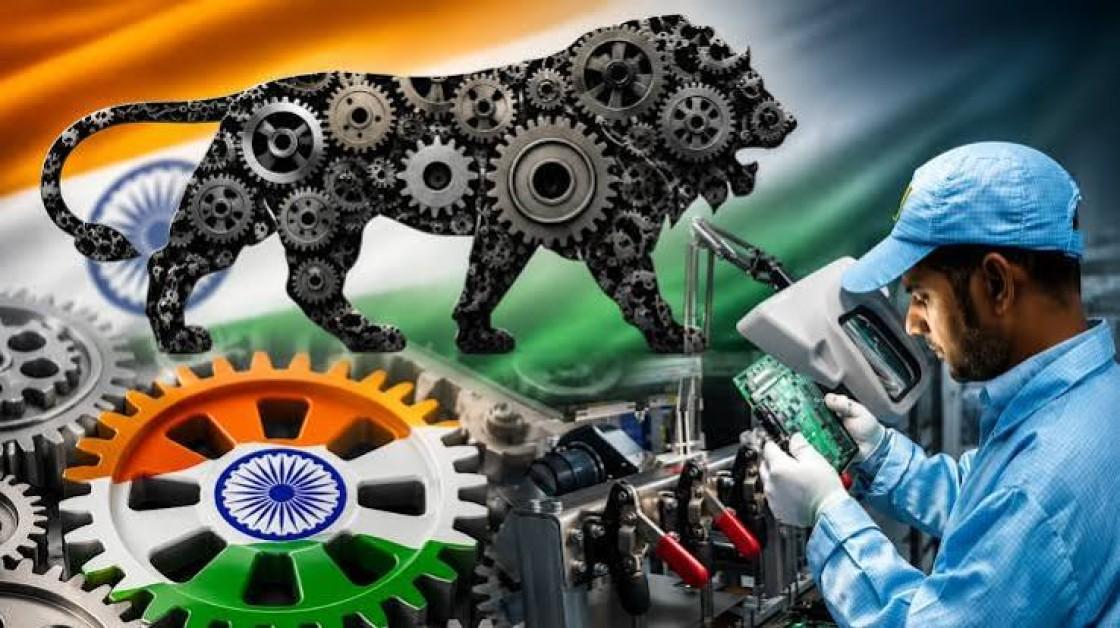
India's Manufacturing Push Receives Fresh Boost Through Proposed Long-Term Tax Incentives
India's manufacturing sector is set to receive fresh momentum as the government considers extending long-term tax incentives to encourage large-scale industrial investment and strengthen the country's position as a global manufacturing hub. The proposed policy is expected to provide greater certainty for multinational companies planning long-term production facilities, particularly in high-value sectors such as electronics, semiconductors, electric vehicles and advanced manufacturing.
The initiative aligns with India's broader strategy of expanding domestic manufacturing capabilities, increasing exports and attracting global supply chains seeking diversified production locations.
Long-Term Tax Incentives Aim to Attract Investment

The proposed incentives are designed to improve India's competitiveness as a manufacturing destination.
Key objectives include:
-
Attract long-term foreign investment
-
Expand domestic manufacturing
-
Encourage technology transfer
-
Increase industrial production
-
Support export growth
-
Generate employment
-
Strengthen global competitiveness
-
Promote capital expenditure
Policy stability is expected to improve investor confidence in large-scale manufacturing projects.
Manufacturing Expansion Supports Economic Growth
Manufacturing remains a key pillar of India's long-term economic strategy.
Priority industries include:
-
Electronics manufacturing
-
Semiconductor production
-
Automobile manufacturing
-
Electric vehicles
-
Renewable energy equipment
-
Industrial machinery
-
Consumer electronics
-
Advanced engineering
Expanding industrial capacity is expected to contribute to higher economic growth and exports.
Global Supply Chains Continue to Diversify
International manufacturers are reassessing production strategies to improve supply chain resilience.
Key trends include:
-
Geographic diversification
-
Multi-country manufacturing
-
Supplier localisation
-
Risk reduction
-
Export-oriented production
-
Logistics optimisation
-
Strategic sourcing
-
Operational flexibility
India is positioning itself as a preferred destination for long-term manufacturing investment.
Electronics Manufacturing Remains a Key Focus
The electronics industry continues to receive significant policy attention.
Growth areas include:
-
Smartphone manufacturing
-
Electronic components
-
Consumer devices
-
Telecom equipment
-
Data centre hardware
-
Semiconductor packaging
-
Precision engineering
-
Industrial electronics
The sector is expected to play a central role in India's export ambitions.
Infrastructure Investment Supports Industrial Growth
Modern manufacturing requires reliable infrastructure.
Key investment priorities include:
-
Industrial parks
-
Logistics corridors
-
Ports
-
Airports
-
Power infrastructure
-
Digital connectivity
-
Warehousing
-
Multimodal transport
Infrastructure improvements continue to enhance India's manufacturing competitiveness.
Employment and Skill Development Receive a Boost
Manufacturing expansion has the potential to create significant employment opportunities.
Focus areas include:
-
Skilled workforce development
-
Technical education
-
Industrial training
-
Engineering talent
-
Advanced manufacturing skills
-
Research and development
-
Innovation
-
Productivity enhancement
A skilled labour force remains essential for attracting high-value industries.
Export Competitiveness Expected to Improve
Expanding domestic production can strengthen India's position in global trade.
Potential benefits include:
-
Higher merchandise exports
-
Greater value addition
-
Improved trade competitiveness
-
Diversified export markets
-
Increased foreign exchange earnings
-
Stronger industrial ecosystem
-
Supply chain integration
-
Sustainable manufacturing growth
Manufacturing exports remain a long-term strategic priority.
Investors Focus on Policy Stability
Long-term investment decisions depend heavily on a predictable regulatory environment.
Investors are monitoring:
-
Tax policy implementation
-
Manufacturing incentives
-
Industrial reforms
-
Ease of doing business
-
Infrastructure execution
-
Land availability
-
Logistics efficiency
-
Regulatory clarity
A stable policy framework can support sustained private-sector investment.
Risks to Monitor
Investors should continue monitoring:
-
Final policy approval
-
Global manufacturing demand
-
Trade policies
-
Geopolitical developments
-
Infrastructure execution
-
Labour availability
-
Supply chain conditions
-
Currency movements
-
Commodity prices
-
Global economic growth
These factors will influence the pace of manufacturing expansion.
What Investors Should Watch
Key indicators include:
-
Government policy announcements
-
Manufacturing investment proposals
-
Foreign direct investment
-
Industrial production
-
Electronics exports
-
Capital expenditure
-
Employment generation
-
Infrastructure development
-
Supply chain localisation
-
Corporate investment plans
These metrics will provide insight into the long-term outlook for India's manufacturing sector.
Outlook
India's proposed long-term tax incentives are expected to strengthen the country's attractiveness as a global manufacturing destination by encouraging sustained investment in high-value industries.
Continued improvements in infrastructure, logistics, workforce development and industrial policy are likely to support manufacturing expansion, export growth and deeper integration into global supply chains.
If implemented effectively, the initiative could reinforce India's position as one of the world's fastest-growing manufacturing economies.
Conclusion
The proposed extension of long-term tax incentives represents another significant step in India's strategy to expand domestic manufacturing and attract global industrial investment.
By supporting capital-intensive industries, strengthening supply chains and encouraging export-oriented production, the policy has the potential to enhance India's manufacturing competitiveness over the long term.
Investors will closely monitor policy implementation, investment announcements, manufacturing output, export growth and infrastructure development as key indicators of the sector's future trajectory.
 India's Manufacturing Push Receives Fresh Boost Through Proposed Long-Term Tax Incentives FAQs
POST A COMMENT (0)
All Comments (0)
Replies (0)