




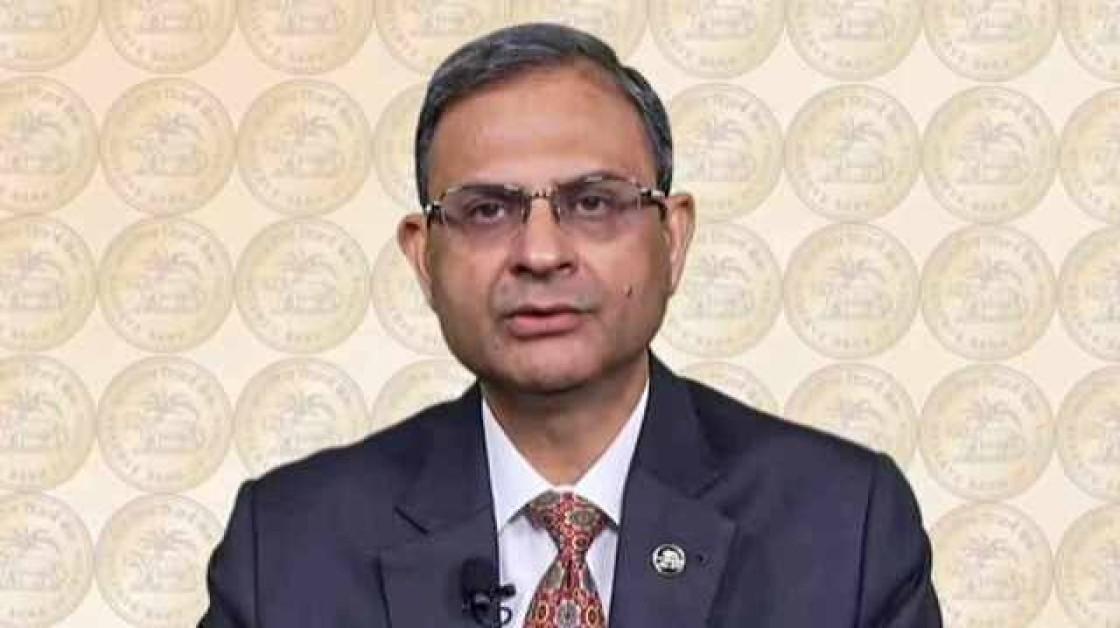
AI Could Unlock Up to $685 Billion for Indian MSMEs, RBI Governor Says
Artificial intelligence could generate $490 billion to $685 billion in economic value for India’s micro, small and medium enterprises, Reserve Bank of India Governor Sanjay Malhotra said on November 27, 2026. Speaking at the SME Finance and Investment Summit in Mumbai, he urged smaller firms to invest in technology to improve productivity and compete with larger businesses.
Malhotra put AI adoption among Indian MSMEs at about 15%, behind countries including China, the United States and Germany. He pointed to practical starting points such as accounting, inventory management, quality control and customer engagement.
What the $685 billion estimate measures

The upper end of the range reflects potential gains across the sector from higher productivity, lower operating costs and better access to formal credit. The value businesses realise will depend on how widely they adopt AI and how deeply they integrate it into their operations.
For a manufacturer, that could mean using sales data to forecast demand or identifying defects earlier in production. For lenders, tools that capture and organise business records could help assess small firms with limited formal credit histories.
The productivity gap behind the AI push
Malhotra said value added per worker at Indian MSMEs is estimated at 26% of the level at large Indian enterprises. He argued that smaller firms could use technology to compete on speed and quality, especially in tasks where they lack the staff or systems available to larger rivals.
He also cited a survey in which 76% of MSME leaders reported using AI in some form, while 5% had made it central to their operations. The survey figures describe use among respondents. The broader 15% estimate refers to adoption across the sector.
Access to finance will shape adoption
Malhotra said smaller firms need timely and adequate financing to invest in technology and improve productivity. He pointed to measures including collateral-free lending up to specified limits, digital lending and priority-sector lending as ways to improve access to capital.
The two issues are linked. A firm may need financing to digitise its operations, while better business records can help lenders assess its cash flow and credit needs. How effectively lenders use that information will influence how much of the estimated credit benefit reaches smaller firms.
Conclusion
The $685 billion figure is the upper end of a sector-wide estimate. How much value Indian MSMEs capture will depend on whether they can finance the investment and use AI in everyday operations to improve output, reduce costs or qualify for formal credit.
 RBI Governor Cites $685 Billion AI Opportunity for Indian MSMEs FAQs

POST A COMMENT (0)
All Comments (0)
Replies (0)