





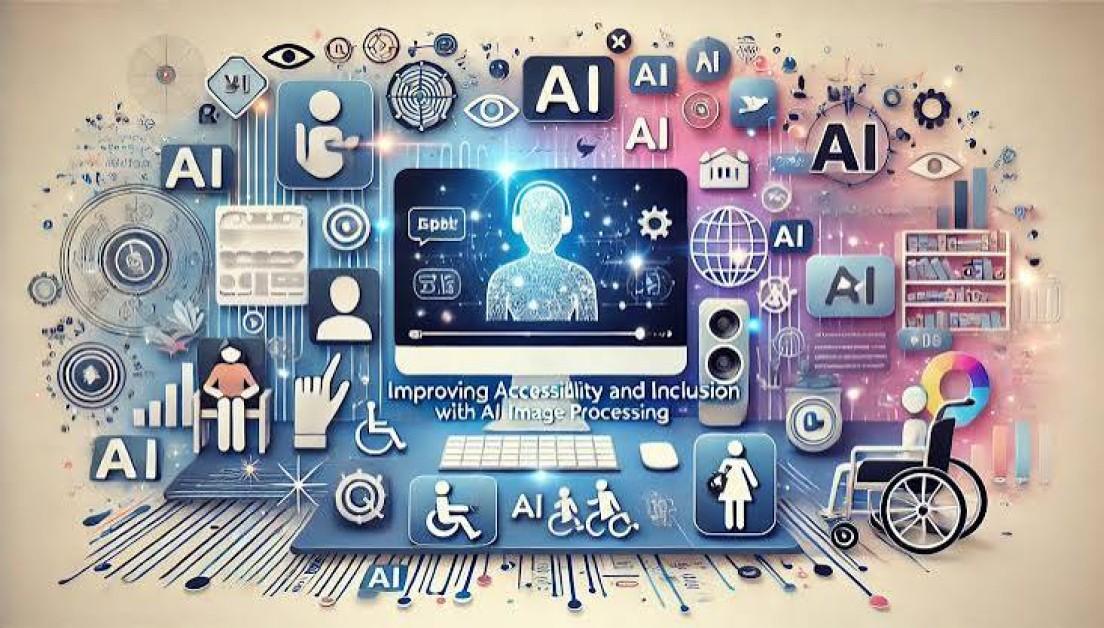
AI Continues to Transform Digital Content Production
Artificial intelligence (AI) continues to reshape digital content production as media companies, marketing agencies, publishers and enterprises adopt AI-powered tools to improve efficiency, accelerate workflows and enhance creative capabilities. From text generation and video editing to image creation and multilingual publishing, AI has become an integral part of the modern content ecosystem.
The growing adoption of generative AI is enabling organisations to produce content faster while supporting data-driven decision-making, audience personalisation and large-scale digital publishing.
Generative AI Accelerates Content Creation

Generative AI is enabling creators to produce a wide range of digital assets more efficiently.
Common applications include:
-
Article drafting
-
Marketing copy
-
Social media content
-
Product descriptions
-
Video scripts
-
Email campaigns
-
Presentation content
-
Creative ideation
AI helps streamline repetitive tasks, allowing teams to focus more on strategy and creativity.
Multimedia Production Becomes More Efficient
AI is transforming the production of visual and audio content.
Key use cases include:
-
Video editing
-
Image generation
-
Voice synthesis
-
Audio enhancement
-
Subtitle generation
-
Speech-to-text transcription
-
Motion graphics
-
Content localisation
Automation reduces production time while enabling faster content delivery across multiple platforms.
Publishers Modernise Editorial Workflows
Digital publishers are integrating AI into newsroom operations to improve productivity.
AI supports:
-
Research assistance
-
Content summarisation
-
Headline suggestions
-
Translation
-
Metadata generation
-
Archive management
-
Content categorisation
-
SEO optimisation
Editorial oversight remains essential to maintain accuracy, quality and journalistic standards.
Personalisation Enhances Audience Engagement
AI enables businesses to deliver more relevant and engaging content.
Personalisation capabilities include:
-
Content recommendations
-
Audience segmentation
-
Behavioural analytics
-
Dynamic homepages
-
Targeted notifications
-
Email personalisation
-
User journey optimisation
-
Engagement measurement
Tailored experiences help improve customer satisfaction and retention.
Marketing Teams Expand AI Adoption
AI-powered platforms are becoming central to digital marketing operations.
Major applications include:
-
Campaign automation
-
Advertising optimisation
-
Customer analytics
-
Search engine optimisation
-
Content scheduling
-
Performance measurement
-
Predictive analytics
-
Customer relationship management
These technologies improve campaign efficiency and marketing return on investment.
Cloud Infrastructure Supports AI Growth
Cloud computing provides the scalable infrastructure required for enterprise AI deployment.
Investment priorities include:
-
AI computing resources
-
Cloud storage
-
High-performance processing
-
Data management
-
API integration
-
Collaboration platforms
-
Enterprise software
-
Scalable workflows
Cloud platforms enable organisations to deploy AI solutions without significant on-premises infrastructure.
Responsible AI Governance Gains Importance
As AI adoption grows, organisations are strengthening governance frameworks.
Key focus areas include:
-
Human editorial oversight
-
Content accuracy
-
Data privacy
-
Copyright compliance
-
Ethical AI practices
-
Transparency
-
Security controls
-
Regulatory compliance
Responsible AI implementation remains critical for maintaining trust and credibility.
Workforce Skills Continue to Evolve
AI adoption is changing the skills required across content and media organisations.
Priority areas include:
-
AI literacy
-
Prompt engineering
-
Data analytics
-
Multimedia production
-
Digital storytelling
-
AI-assisted editing
-
Content strategy
-
Cybersecurity awareness
Continuous learning will be essential as AI capabilities continue to advance.
Risks to Monitor
Businesses should continue monitoring:
-
AI regulation
-
Copyright developments
-
Data privacy requirements
-
Cybersecurity threats
-
Technology costs
-
Model reliability
-
Platform competition
-
Talent availability
-
Consumer trust
-
Rapid technological change
These factors will influence the pace and direction of AI adoption across the content industry.
What Investors Should Watch
Key indicators include:
-
Enterprise AI spending
-
Adoption of generative AI tools
-
Cloud infrastructure investment
-
Digital advertising growth
-
AI software revenue
-
Productivity improvements
-
Content platform expansion
-
Technology partnerships
-
Research and development spending
-
Management guidance
These metrics will provide insight into the continued evolution of AI-powered content production.
Outlook
Artificial intelligence is expected to play an increasingly important role in digital content production as organisations continue investing in automation, multimedia capabilities and intelligent workflow management.
Advances in generative AI, cloud computing and analytics are likely to further improve content quality, production speed and audience engagement. Companies that combine AI innovation with strong editorial standards, creative expertise and responsible governance are expected to gain a competitive advantage.
Conclusion
AI is transforming digital content production by enabling faster creation, greater automation and more personalised audience experiences across media, publishing and marketing industries.
As investment in generative AI, cloud infrastructure and enterprise technology continues to grow, AI-powered workflows are expected to become standard across the digital content ecosystem.
Investors will closely monitor AI adoption, enterprise technology spending, cloud investment and productivity gains as key indicators of the next phase of digital transformation.
 AI Continues to Transform Digital Content Production FAQs
POST A COMMENT (0)
All Comments (0)
Replies (0)