





Media Companies Expand Subscription Models to Drive Revenue Growth and Customer Loyalty
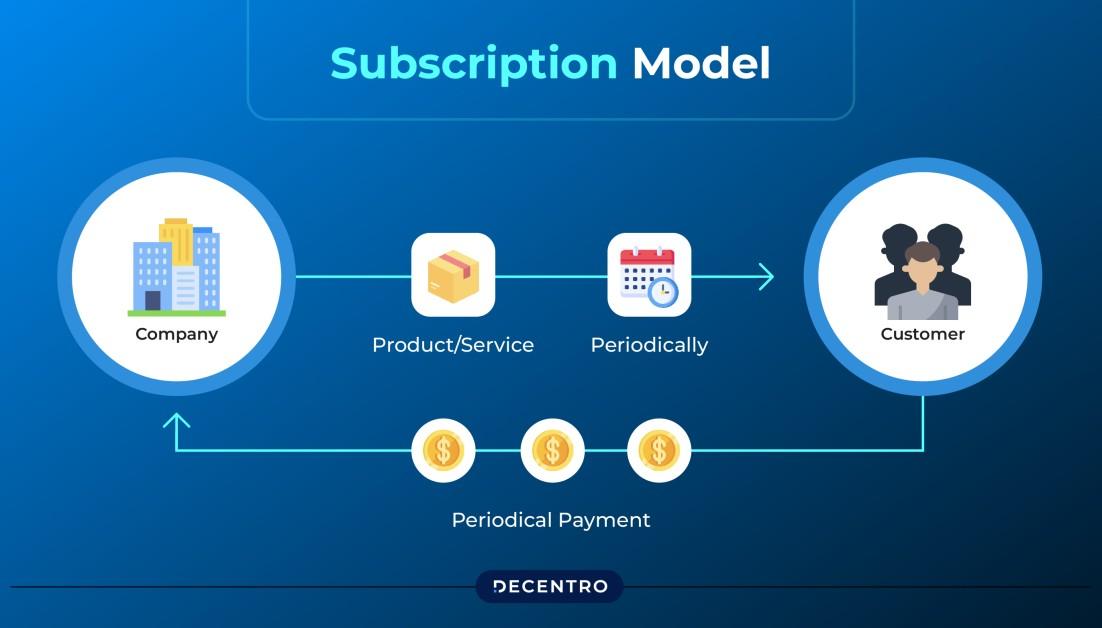
Media companies around the world are accelerating the adoption of subscription-based business models as they seek to build stable recurring revenue, strengthen customer relationships, and reduce dependence on advertising. Publishers, streaming platforms, news organizations, audio services, and digital content providers are increasingly investing in premium content, exclusive experiences, and personalized services to encourage long-term subscriber growth.
The shift reflects broader changes in consumer behavior, with audiences increasingly willing to pay for high-quality, ad-free, and exclusive digital content across multiple devices.
Subscription Economy Gains Momentum
Subscription-based media now spans a broad range of digital services, including:
-
Digital newspapers
-
Online magazines
-
Video streaming platforms
-
Music streaming services
-
Podcast subscriptions
-
Newsletters
-
Educational platforms
-
Sports streaming
-
Digital entertainment bundles
-
Premium creator communities
Recurring subscription revenue provides media businesses with greater financial stability while enabling long-term investment in quality journalism, entertainment, and technology.
Key Drivers Behind Subscription Growth
Growing Demand for Premium Content
Consumers increasingly value exclusive articles, original videos, documentaries, podcasts, research reports, and live events that are unavailable through free platforms.
Reduced Dependence on Advertising
Subscription revenue helps media companies diversify income streams and reduce exposure to fluctuations in digital advertising markets.
Personalised User Experiences
Artificial intelligence (AI) and data analytics enable platforms to recommend relevant content, improving engagement and increasing subscriber retention.
Expansion of Digital Consumption
Greater smartphone adoption, faster internet connectivity, and connected devices continue to drive demand for digital subscriptions across global markets.
Creator-Led Content
Independent creators, journalists, educators, and influencers are increasingly launching paid memberships and premium communities to build direct relationships with their audiences.
Popular Subscription Models
Media companies are adopting multiple subscription strategies, including:
-
Monthly subscriptions
-
Annual membership plans
-
Freemium models
-
Metered paywalls
-
Premium content tiers
-
Family subscription plans
-
Student discounts
-
Bundled digital services
-
Corporate subscriptions
-
Creator memberships
Offering flexible pricing options helps companies attract diverse customer segments while improving long-term retention.
Technology Supporting Subscription Growth
Media organizations continue investing in technologies such as:
-
Artificial intelligence
-
Machine learning
-
Recommendation engines
-
Customer relationship management (CRM)
-
Data analytics
-
Marketing automation
-
Cloud computing
-
Secure digital payment systems
-
Customer engagement platforms
-
Content management systems (CMS)
These technologies improve subscriber acquisition, personalization, customer support, and operational efficiency.
Benefits for Media Companies
Subscription-based models offer several strategic advantages:
-
Predictable recurring revenue
-
Stronger customer loyalty
-
Higher audience engagement
-
Improved first-party customer data
-
Reduced advertising dependence
-
Better content investment planning
-
Increased lifetime customer value
-
Greater pricing flexibility
-
Enhanced brand positioning
-
Sustainable long-term growth
These benefits are encouraging more organizations to prioritize subscriber growth alongside advertising revenue.
Challenges Facing Subscription Businesses
Despite positive momentum, subscription-led media businesses continue to face several challenges.
Subscriber Retention
Maintaining long-term customer loyalty requires continuous investment in high-quality content, user experience, and platform innovation.
Subscription Fatigue
Consumers increasingly manage multiple subscriptions across entertainment, news, education, and software services, making competition for household spending more intense.
Content Differentiation
Media companies must produce unique and valuable content to justify subscription fees in an increasingly crowded marketplace.
Pricing Strategy
Finding the right balance between affordability and profitability remains a key commercial challenge.
Data Privacy and Security
Protecting subscriber information and complying with evolving data protection regulations remain essential priorities.
Future Outlook
Subscription models are expected to remain a major growth engine for the global media industry.
Key trends likely to shape the future include:
-
AI-driven content personalization
-
Growth of bundled subscription services
-
Expansion of premium newsletters
-
Creator-led membership communities
-
Greater use of first-party customer data
-
Interactive and immersive digital experiences
-
Regional-language subscription offerings
-
Increased corporate subscription packages
-
Flexible pricing and loyalty programmes
-
Integration of commerce within media platforms
Media companies that successfully combine compelling content, advanced technology, and strong customer relationships are expected to strengthen recurring revenue and improve long-term profitability.
Conclusion
Media companies are increasingly embracing subscription-based business models to build predictable revenue, deepen audience relationships, and reduce reliance on advertising. Investments in premium content, AI-powered personalization, digital payment systems, and customer engagement technologies are supporting the continued evolution of the subscription economy.
While subscriber retention, pricing, and content differentiation remain ongoing challenges, the long-term outlook for subscription-led media businesses remains positive. Companies that consistently deliver valuable content and personalized digital experiences are likely to remain competitive in the rapidly evolving global media landscape.
 Media Companies Expand Subscription Models Amid Digital Revenue Shift FAQs
POST A COMMENT (0)
All Comments (0)
Replies (0)