





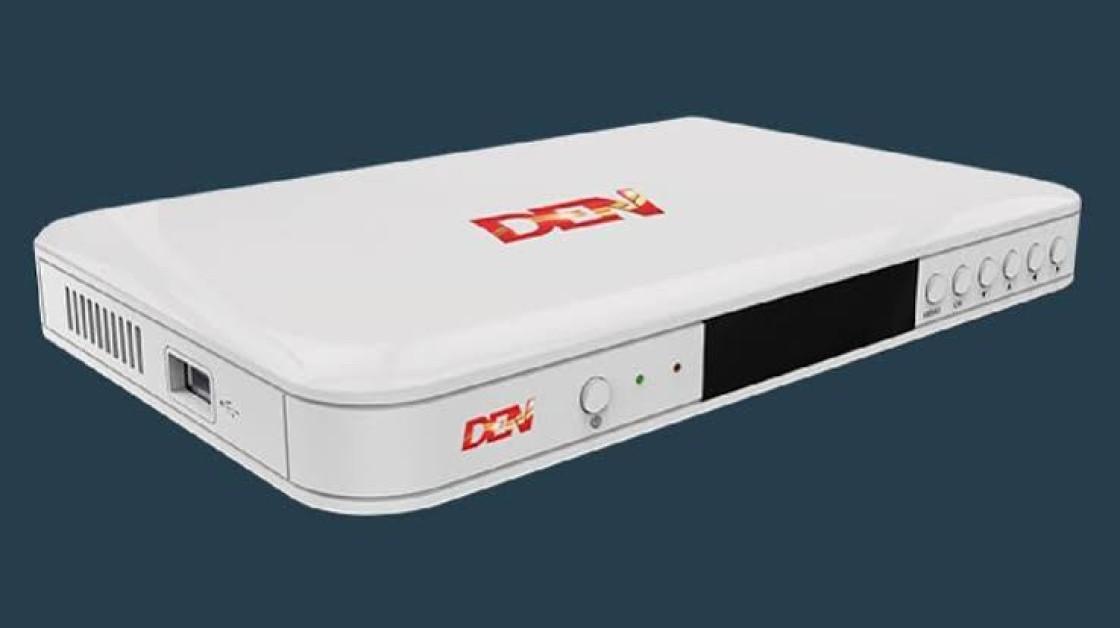
DEN Networks Posts Higher Quarterly Profit Despite Lower Revenue
DEN Networks Limited, a digital cable television distribution and broadband services company, reported a 4.55% year-on-year increase in quarterly net profit despite a 3.67% decline in revenue from operations for the second quarter of financial year 2026–27.
The results indicate that the company maintained growth in reported earnings even as its operating revenue contracted during the quarter ended September 30, 2026.
The contrasting movement in profit and revenue highlights the importance of examining operating expenses, other income and financial management when evaluating the performance of cable television and broadband service providers.
DEN Networks operates in India's media distribution industry, where traditional cable television businesses face changing consumer viewing habits, competition from digital entertainment platforms and evolving demand for broadband connectivity.
The latest quarterly performance provides insight into how the company is managing profitability in an environment where revenue growth remains challenging.
Consolidated Net Profit Increases to ₹36.77 Crore in Q2 FY27

DEN Networks reported consolidated net profit of ₹36.77 crore for the September 2026 quarter, compared with ₹35.17 crore in the corresponding quarter of FY26.
The increase of ₹1.60 crore represents year-on-year growth of approximately 4.55%.
Revenue from operations, however, declined to ₹232.55 crore from ₹241.42 crore, a reduction of ₹8.87 crore.
The company announced its unaudited quarterly and half-yearly financial results on October 13, 2026.
The results highlight a divergence between operating revenue and reported profitability, with higher non-operating income helping offset weaker operating performance.
DEN Networks Q2 FY27 Financial Performance
|
Financial metric |
Q2 FY27 |
Q2 FY26 |
Year-on-year change |
|---|---|---|---|
|
Revenue from operations |
₹232.55 crore |
₹241.42 crore |
-3.67% |
|
Consolidated net profit |
₹36.77 crore |
₹35.17 crore |
+4.55% |
|
Total income |
₹293.29 crore |
₹293.14 crore |
+0.05% |
|
Total expenses |
₹241.53 crore |
₹246.15 crore |
-1.88% |
|
Other income |
₹60.73 crore |
₹51.71 crore |
+17.44% |
|
EBITDA |
₹10.05 crore |
₹18.99 crore |
-47.08% |
The financial figures reveal that while the company generated a modest increase in net profit, its core operating performance weakened considerably.
The decline in EBITDA was substantially greater than the fall in revenue, indicating pressure on operating profitability.
Revenue Declines as Cable Television Business Faces Pressure
DEN Networks' revenue from operations fell 3.67% during the September quarter.
The reduction comes amid structural changes affecting India's cable television distribution industry.
Traditional cable television providers compete with direct-to-home operators, internet-based entertainment services and other digital content distribution platforms.
Consumer preferences have increasingly shifted toward flexible viewing options, including streaming services and internet-connected television devices.
These changes create challenges for conventional cable distribution businesses, particularly in maintaining subscriber engagement and revenue growth.
However, DEN Networks has not established that a specific change in subscriber numbers or streaming competition alone caused the quarterly revenue decline.
A detailed assessment of subscriber additions, disconnections and average revenue per user would be required to determine the precise operational drivers.
EBITDA Falls 47% as Operating Margin Contracts
One of the most significant developments in DEN Networks' quarterly results was the decline in operating profitability.
Consolidated EBITDA fell to approximately ₹10.05 crore from ₹18.99 crore in the corresponding quarter of the previous financial year.
This represented a year-on-year decline of approximately 47%.
The company's EBITDA margin contracted to approximately 4.3%, compared with 7.9% a year earlier.
The reduction indicates that DEN Networks generated substantially lower operating earnings relative to its revenue.
Content costs remained an important expense category, increasing even as operating revenue declined.
This combination contributed to pressure on margins.
The decline in EBITDA demonstrates that the improvement in reported net profit did not reflect stronger earnings from the company's principal operating activities.
Other Income Helps Support Quarterly Profit
DEN Networks' other income increased to approximately ₹60.73 crore in Q2 FY27, compared with ₹51.71 crore a year earlier.
The increase of approximately 17.4% helped offset the decline in operating profitability.
Other income can include interest earnings, investment-related returns and other non-operating items, depending on a company's financial arrangements.
For DEN Networks, the contribution from other income was significant relative to its operating EBITDA.
This distinction is important for evaluating the quality and sustainability of earnings.
A company may report higher net profit despite weaker core operations when non-operating income increases or other expenses decline.
However, the long-term sustainability of profitability depends on both operating performance and the availability of recurring financial income.
Investors should therefore assess DEN Networks' operating margins separately from its consolidated net profit.
Total Expenses Decline to ₹241.53 Crore
DEN Networks reported total expenses of ₹241.53 crore during the September quarter, compared with ₹246.15 crore in Q2 FY26.
This represented a decline of approximately 1.88%.
Lower total expenses helped moderate the effect of declining revenue on the company's overall earnings.
However, the reduction in expenses was smaller than the percentage decline in operating revenue.
The company therefore experienced pressure on its core operating margin.
The results also indicate that cost reductions alone were insufficient to prevent a substantial decline in EBITDA.
Future profitability will depend partly on the company's ability to manage content-related expenditure and other operating costs.
Sequential Revenue Declines From June Quarter
Compared with the immediately preceding quarter, DEN Networks' revenue from operations declined approximately 4.2%.
Revenue decreased from ₹242.77 crore in Q1 FY27 to ₹232.55 crore in Q2 FY27.
Meanwhile, consolidated net profit increased from approximately ₹34.59 crore to ₹36.77 crore.
The sequential improvement in profit occurred despite weaker operating revenue.
Other income increased from approximately ₹55.40 crore in the June quarter to ₹60.73 crore in the September quarter.
This indicates that non-operating income continued to play an important role in supporting reported earnings.
The sequential results reinforce the need to distinguish between changes in the company's operating business and its overall financial performance.
First-Half FY27 Total Income Declines 2.2%
For the six months ended September 30, 2026, DEN Networks reported total income of approximately ₹591.45 crore.
This represented a year-on-year decline of around 2.2%.
The first-half performance indicates that revenue challenges extended beyond a single reporting period.
For companies operating in mature media distribution markets, sustained revenue growth can be difficult when customer preferences and technology platforms are changing.
The ability to maintain profitability therefore depends on cost management, service competitiveness and the contribution of complementary businesses.
DEN Networks' future results will provide further evidence of whether its operating revenue can stabilise.
DEN Networks Operates in Cable Television and Broadband Distribution
DEN Networks is an established participant in India's digital cable television distribution industry.
The company provides television distribution services through a network of local cable operators and associated infrastructure.
Its operations also include broadband-related services.
Cable television distribution involves the delivery of television channels and related services to subscribers through cable networks.
Broadband services provide internet connectivity to customers.
These businesses require investment in network infrastructure, technology, customer support and service maintenance.
The economics of cable television and broadband services differ, particularly in pricing, content costs and customer acquisition requirements.
For DEN Networks, the performance of its distribution network and its ability to adapt to changing demand remain important considerations.
Reliance Industries Group Ownership Provides Corporate Context
DEN Networks is part of the Reliance Industries group.
Reliance's broader interests span telecommunications, digital services, media and entertainment, retail and energy.
DEN Networks' position within this corporate ecosystem provides a connection to a diversified business group with substantial digital infrastructure operations.
However, group ownership does not automatically guarantee revenue growth, profitability or financial support for individual subsidiaries.
The company's operating performance must be evaluated on the basis of its own financial results and business conditions.
Its future development will depend on commercial strategy, operating efficiency and the competitiveness of its services.
India's Cable Television Industry Faces Changing Consumer Habits
India's television distribution market has experienced significant changes as digital technology alters how audiences access entertainment and information.
Traditional cable television remains an important distribution channel, particularly for households that prefer bundled television services.
However, streaming platforms, internet-connected televisions and mobile entertainment services have expanded consumer choices.
These developments can influence subscription preferences and pricing expectations.
For cable operators, retaining customers increasingly depends on service reliability, affordability and access to relevant content.
The industry also faces competition from alternative television distribution technologies.
As a result, companies operating in the sector must manage established infrastructure while adapting to evolving consumer demand.
Broadband Services Offer Diversification but Require Investment
Broadband connectivity provides a potential avenue for diversification beyond conventional television distribution.
Demand for internet access is supported by online education, remote work, digital entertainment and other connected services.
Cable network operators may be able to use existing infrastructure and customer relationships to participate in broadband markets.
However, broadband expansion requires investment in network capacity, technology and service quality.
Competition from fibre broadband providers and telecommunications companies can also affect pricing and customer acquisition costs.
For DEN Networks, the financial contribution from broadband services will depend on subscriber growth, service economics and infrastructure investment.
The latest quarterly results do not establish that broadband growth offset the decline in cable television revenue.
DEN Networks Shares Gain Nearly 8% After Results Announcement
Shares of DEN Networks closed at approximately ₹27.35 on the BSE on October 13, 2026.
The stock gained around 7.85% during the trading session.
The increase came on the day the company announced its quarterly financial results.
Market participants may evaluate the company's reported profitability alongside its operating performance and financial position.
However, daily stock price movements can reflect several factors, including trading activity, liquidity and broader market conditions.
The share price increase should not be interpreted as confirmation that the company's underlying operating challenges have been resolved.
What Investors Should Monitor in Upcoming Quarters
DEN Networks' quarterly results highlight several indicators that investors may examine.
The first is revenue stability in its cable television and broadband businesses.
A sustained improvement in operating revenue would provide stronger evidence of business recovery than an increase in profit supported mainly by other income.
Operating EBITDA and EBITDA margins will also be important.
The sharp decline in EBITDA during Q2 FY27 indicates pressure on the profitability of the company's principal activities.
Investors will also monitor content costs, operating expenses and the contribution from non-operating income.
Cash flow, investment income and the company's broader financial position will remain relevant to assessing earnings sustainability.
Future quarterly disclosures may provide greater clarity on whether the company can improve its core operating performance.
Conclusion
DEN Networks' Q2 FY27 financial results present a mixed picture of profitability and operating performance.
The company reported a 4.55% increase in consolidated net profit to ₹36.77 crore despite a 3.67% decline in revenue from operations to ₹232.55 crore.
Higher other income and lower total expenses helped support reported earnings.
However, EBITDA declined approximately 47% to ₹10.05 crore, while the operating margin contracted to around 4.3%.
The results demonstrate that the increase in net profit was not accompanied by stronger core operating profitability.
For DEN Networks, the key challenge will be stabilising revenue and improving operating margins in a changing television distribution market.
The company's future performance will depend on cost management, business competitiveness and its ability to generate sustainable earnings from core operations.
 DEN Networks Q2 FY27 Net Profit Rises 4.55% Despite 3.67% Revenue Decline FAQs
POST A COMMENT (0)
All Comments (0)
Replies (0)