





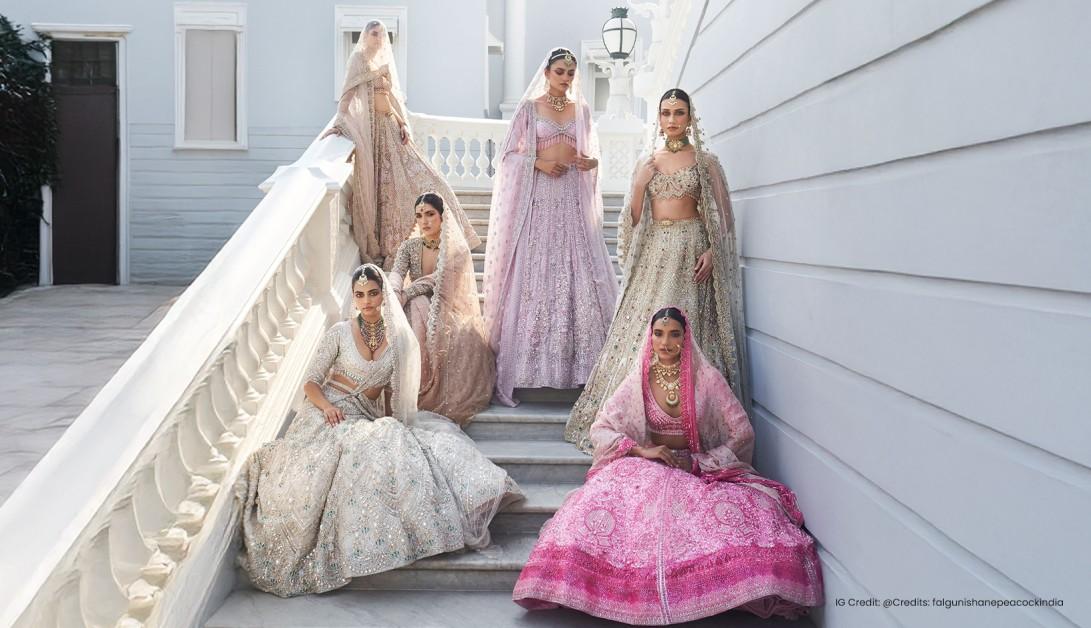
Vogue Wedding Atelier Draws More Than 6,000 Visitors and 60 Luxury Exhibitors in New Delhi
The second edition of Vogue Wedding Atelier attracted more than 6,000 visitors from over 10 countries and brought together more than 60 exhibitors at Taj Palace, New Delhi, demonstrating the growing commercial scale of India's premium wedding and luxury ecosystem. (Conde Nast)
Held from August 7–9, 2026, the three-day showcase combined bridal couture, high jewellery, beauty, gifting and specialist wedding services within an invitation-led luxury format. (Vogue India)
The exhibitor mix included leading Indian designers and jewellery houses alongside international luxury names, giving couples and families access to multiple parts of the wedding-planning process within a single curated environment.
For India's luxury industry, the significance extends beyond attendance.
Weddings represent one of the country's most important occasions for discretionary spending across fashion, jewellery, hospitality, beauty and experiences. The growth of curated platforms such as Vogue Wedding Atelier demonstrates how that spending is increasingly being organised into a sophisticated luxury marketplace.
More Than 6,000 Visitors Attended the 2026 Edition

Vogue India said the second edition welcomed:
more than 6,000 visitors
from:
over 10 countries.
The event also featured:
more than 60 exhibitors. (Conde Nast)
That scale represents significant growth for a highly curated wedding showcase.
The inaugural 2025 edition attracted more than 4,000 guests, according to Vogue India. (Vogue India)
The increase suggests the format is gaining traction among luxury consumers, wedding professionals and participating brands.
Taj Palace Hosted the Three-Day Showcase
The event returned to the Taj Palace in New Delhi from August 7 to August 9.
The hotel provided a premium setting appropriate for an event bringing together luxury fashion, jewellery and wedding services.
Unlike a conventional trade exhibition, the Atelier was designed around immersive brand experiences and private interaction.
Visitors could explore products while also participating in appointments, conversations and masterclasses.
More Than 60 Luxury Brands Participated
The exhibitor portfolio extended across multiple categories.
These included:
bridal couture,
high jewellery,
beauty,
gifting,
accessories,
and wedding services.
This multi-category structure reflects how India's premium wedding industry operates.
A high-value wedding is not a single purchase.
It involves dozens of interconnected spending decisions.
Leading Indian Designers Were Represented
The showcase included prominent Indian fashion names such as:
Manish Malhotra,
Gaurav Gupta,
Falguni Shane Peacock,
Anita Dongre,
and Abu Jani Sandeep Khosla. (Conde Nast)
The presence of established designers gives luxury consumers direct access to some of the country's most influential couture houses within one environment.
International Luxury Names Added Global Dimension
The event also featured international names including:
Elie Saab,
Baccarat,
and Charles Oudin. (Conde Nast)
The participation of global luxury houses reflects India's growing importance as a market for premium wedding consumption.
International brands increasingly view Indian weddings as an opportunity to reach consumers willing to spend across multiple luxury categories.
Elie Saab Returned to the Atelier
Lebanese luxury fashion house Elie Saab returned to the Vogue Wedding Atelier with selections from its Pre-Fall 2026 and Bridal Spring/Summer 2027 collections. (Vogue India)
Its participation demonstrates the increasing overlap between India's traditional bridal market and global couture.
Indian consumers no longer necessarily choose exclusively between Western luxury and traditional Indian design.
Premium wedding wardrobes increasingly combine both.
High Jewellery Was a Major Attraction
Jewellery remained one of the largest components of the Atelier.
More than 20 high-jewellery houses were featured, including brands associated with diamonds, polki, kundan, temple jewellery, gemstones and contemporary luxury design. (Vogue India)
Jewellery is particularly important commercially because wedding purchases can extend beyond the bride.
Families frequently purchase pieces for multiple ceremonies and relatives.
Some jewellery is also treated as an intergenerational asset rather than purely an occasion purchase.
Jewellery Showcase Was Valued at Around $1 Billion
Condé Nast said the Atelier featured a high-jewellery showcase worth approximately:
$1 billion. (Conde Nast)
That figure illustrates the extraordinary concentration of luxury merchandise assembled within the event.
It also reinforces the importance of jewellery within India's premium wedding economy.
Bijoux Ball Expanded the Jewellery Experience
The programme included the Bijoux Ball, complementing the broader jewellery showcase.
The format moved the event beyond conventional product display.
Luxury brands increasingly compete through experiences rather than simply inventory.
For high-value consumers, presentation, exclusivity and personal interaction can become part of the purchasing decision.
Vogue Café Made Its India Debut
Another notable addition was the first Indian edition of Vogue Café.
Previous Vogue Café editions had appeared in cities including:
London,
Milan,
Paris,
and New York. (Conde Nast)
Its introduction in New Delhi added a hospitality component to the Atelier.
Visitors could use the café between appointments and events, making it a social environment as well as a retail showcase.
Luxury Retail Is Becoming More Experiential
The Vogue Café illustrates a wider change in luxury marketing.
High-end consumers increasingly expect brands to provide experiences alongside products.
These can include:
private appointments,
exclusive events,
personalisation,
hospitality,
and immersive environments.
Luxury exhibitions therefore function differently from traditional retail stores.
Weddings Create Natural Cross-Selling Opportunities
A person shopping for bridal couture may also need:
jewellery,
beauty services,
gifts,
and wedding planning.
Bringing these categories together allows brands to benefit from the same high-intent consumer.
This is one reason wedding-focused luxury platforms can be commercially attractive.
Consumers Arrive With Clear Purchase Intent
Wedding customers are different from casual luxury shoppers.
They often have:
a defined event date,
specific requirements,
and substantial planned expenditure.
That makes them valuable customers for luxury brands.
The purchasing window may also extend across many months.
Private Appointments Support High-Value Sales
Vogue Wedding Atelier offered opportunities for one-on-one interaction with designers. (Vogue India)
Private appointments are particularly relevant for bridal couture because customers frequently require:
customisation,
fittings,
and personal styling.
The transaction therefore becomes consultative rather than purely retail.
Indian Bridal Fashion Is Highly Diverse
India does not have a single bridal aesthetic.
Wedding wardrobes vary significantly according to:
region,
religion,
family tradition,
and ceremony.
A bride may require different outfits for multiple functions.
This creates demand across numerous designers and textile traditions.
One Wedding Can Generate Multiple Couture Purchases
Large Indian weddings frequently involve several events.
These can include:
engagements,
mehendi,
sangeet,
wedding ceremonies,
and receptions.
Each event can involve a separate wardrobe.
That multiplies commercial opportunities for designers.
Groomwear Is Also Expanding
Luxury wedding fashion is not limited to brides.
Premium menswear has become increasingly important as grooms seek:
custom sherwanis,
bandhgalas,
formalwear,
and accessories.
This broadens the addressable market for couture houses.
Wedding Jewellery Has Similar Multi-Event Demand
Different ceremonies may require different jewellery.
Consumers can choose among:
diamonds,
polki,
kundan,
gold,
and coloured gemstones.
The ability to see multiple jewellery houses together allows families to compare styles and craftsmanship more efficiently.
Luxury Weddings Support Multiple Industries
Wedding spending flows across a much wider ecosystem than fashion and jewellery.
It supports:
hotels,
event planners,
photographers,
beauty professionals,
decorators,
transport providers,
and gifting companies.
A platform such as Vogue Wedding Atelier effectively brings parts of this fragmented economy together.
Wedding Planning Is Becoming More Professional
Large weddings increasingly resemble complex projects.
Families may coordinate:
multiple venues,
hundreds of guests,
travel,
hospitality,
fashion,
and entertainment.
This has created demand for specialist wedding planners capable of managing end-to-end execution.
Destination Weddings Expand the Market Further
Indian families increasingly consider destination celebrations both domestically and internationally.
That creates business for:
hotels,
airlines,
travel companies,
and destination-management firms.
Luxury wedding planners can coordinate these services across multiple locations.
Luxury Hotels Are Important Beneficiaries
Premium weddings are a significant source of demand for luxury hospitality.
Hotels can earn revenue from:
rooms,
banquets,
catering,
and event spaces.
Hosting a wedding-focused showcase can also introduce premium consumers to a property before they select a venue.
Beauty Is Becoming Larger Wedding Category
Beauty spending surrounding weddings has expanded considerably.
Consumers may invest in:
skincare,
makeup,
haircare,
and fragrance.
These purchases can begin months before the wedding itself.
That makes bridal customers attractive to beauty brands seeking long-term engagement.
Fragrance Is Increasingly Part of Luxury Wedding Experience
Premium fragrance brands are also positioning scent as part of personal wedding identity.
Consumers may choose specific fragrances for:
wedding ceremonies,
receptions,
or gifting.
This allows fragrance companies to participate in a market historically dominated by fashion and jewellery.
Gifting Creates Another Commercial Layer
Indian weddings involve significant gifting.
Gifts may be exchanged between:
families,
guests,
and wedding parties.
Premium gifting can include:
textiles,
silverware,
home décor,
and personalised products.
Vogue Wedding Atelier included brands offering several of these categories. (Vogue India)
Luxury Consumers Increasingly Seek Personalisation
High-end buyers often want products that feel unique.
That can involve:
custom embroidery,
bespoke jewellery,
personalised gifts,
or made-to-measure clothing.
Wedding purchases provide an ideal environment for such services because emotional significance is unusually high.
Craftsmanship Remains Central
India's luxury wedding industry draws heavily on traditional craftsmanship.
Techniques can include:
zardozi,
chikankari,
weaving,
meenakari,
polki,
and kundan work.
These traditions provide Indian luxury brands with a distinctive identity that cannot easily be replicated through mass production.
Indian Craft Can Support Global Luxury Positioning
Luxury is increasingly defined by:
craftsmanship,
scarcity,
heritage,
and storytelling.
Indian artisanal traditions possess all four.
Wedding demand provides a domestic commercial base that can help designers and jewellery houses invest in craftsmanship before expanding internationally.
International Visitors Add Another Dimension
Visitors from more than 10 countries attended the 2026 edition. (Conde Nast)
International participation matters because Indian weddings increasingly involve globally distributed families.
Members of the Indian diaspora may travel to India specifically for:
wedding shopping,
planning,
and ceremonies.
Diaspora Consumers Can Be High-Value Customers
Indian families living overseas often retain strong cultural connections to wedding traditions.
They may purchase:
Indian couture,
jewellery,
and wedding services
while earning and spending in international markets.
This creates an important cross-border customer segment for Indian luxury businesses.
The Event Provides Brands With Customer Acquisition
Luxury brands typically spend heavily to reach affluent consumers.
A curated wedding event concentrates those consumers in one location.
This can reduce the distance between:
brand discovery
and
purchase consideration.
For participating businesses, the value is therefore not simply exhibition visibility.
It is access to high-intent prospective customers.
Events Also Generate Brand Content
Luxury showcases create material for:
fashion media,
social media,
and brand marketing.
Designers can display collections in highly controlled visual environments.
Consumers then amplify those experiences online.
This gives physical events a digital reach far beyond attendees.
Vogue Brings Media and Commerce Together
Vogue traditionally operates as a fashion and lifestyle media brand.
Wedding Atelier extends that position into physical experiences.
The model connects:
editorial authority,
brand partnerships,
luxury consumers,
and experiential commerce.
That creates another revenue and engagement channel beyond conventional publishing.
Luxury Media Is Expanding Into Experiences
Media companies globally are increasingly building:
conferences,
festivals,
awards,
and consumer experiences.
These events diversify revenue while strengthening relationships with advertisers and audiences.
Wedding Atelier fits naturally within this broader media-business strategy.
Growth From 2025 Shows Early Momentum
The first Vogue Wedding Atelier in India drew more than 4,000 guests in 2025. (Vogue India)
The 2026 edition surpassed:
6,000 visitors. (Conde Nast)
That represents an increase of at least 50% in reported attendance.
For an event only in its second year, the growth is notable.
More Exhibitors Increase Consumer Choice
The 2026 edition assembled more than 60 exhibitors.
That gives visitors access to a broad range of categories without travelling between multiple boutiques, jewellery stores and service providers.
Convenience itself can become part of the luxury proposition.
Curated Selection Differentiates the Format
Large exhibitions can contain hundreds of vendors.
Vogue Wedding Atelier takes a more selective approach.
Curation can create greater perceived exclusivity.
For luxury consumers, the question is often not:
How many options are available?
It is:
Which options are worth considering?
A trusted curator can reduce that search process.
India Is Becoming More Important to Global Luxury
International luxury companies are paying greater attention to India as household wealth expands and affluent consumers increase spending on premium products and experiences.
Weddings provide one of the clearest entry points.
They combine:
high spending,
cultural importance,
and strong demand for craftsmanship.
This makes the Indian wedding market strategically valuable to global luxury houses.
Indian Luxury Brands Also Gain Opportunity
The growth is not only beneficial to international companies.
Indian designers and jewellery houses have substantial competitive advantages in wedding luxury.
They understand:
local traditions,
craft techniques,
and regional preferences.
That expertise can help Indian brands build premium businesses domestically and internationally.
The Luxury Wedding Market Is Becoming Organised
Historically, wedding spending has been distributed among thousands of independent vendors.
Platforms such as Wedding Atelier create more structured marketplaces.
Consumers can encounter multiple premium suppliers within a professionally curated setting.
This can make luxury wedding commerce more organised and brand-driven.
Competition for Affluent Wedding Consumers Will Increase
As the market becomes more valuable, competition will intensify.
Fashion houses,
jewellers,
hotels,
beauty companies,
and wedding planners
will increasingly compete for the same affluent families.
Brand reputation and customer experience will therefore become more important.
Experiences Can Build Long-Term Customer Relationships
A wedding can be the beginning of a broader luxury relationship.
A customer purchasing bridal jewellery may later buy:
anniversary pieces,
gifts,
or watches.
Someone purchasing couture may return for:
festive wear,
formal occasions,
or family celebrations.
Luxury companies therefore view weddings as customer-acquisition opportunities with lifetime value extending beyond the ceremony.
Conclusion
The second edition of Vogue Wedding Atelier, held at Taj Palace in New Delhi, attracted more than 6,000 visitors from over 10 countries and featured more than 60 exhibitors, marking substantial growth for the luxury bridal showcase. (Conde Nast)
The three-day event brought together leading Indian designers, international luxury houses, more than 20 high-jewellery brands and specialist wedding businesses, while also introducing Vogue Café to India. (Conde Nast)
Its significance extends beyond fashion.
India's premium wedding economy sits at the intersection of several powerful consumer categories: couture, jewellery, beauty, hospitality, gifting and experiences.
Bringing these businesses together within a curated environment transforms wedding planning into a concentrated luxury marketplace.
The increase from more than 4,000 guests at the inaugural 2025 edition to more than 6,000 visitors in 2026 also indicates growing demand for high-touch, experience-driven luxury retail. (Vogue India)
For luxury companies, Indian weddings offer something particularly attractive: customers with defined purchasing timelines, strong cultural motivation and demand spanning multiple premium categories.
Vogue Wedding Atelier's expansion therefore reflects a larger commercial trend—the Indian wedding is increasingly becoming one of the country's most important platforms for luxury consumption, brand discovery and experiential retail.
 Vogue Wedding Atelier Draws 6,000 Visitors and 60 Luxury Brands in Delhi FAQs
POST A COMMENT (0)
All Comments (0)
Replies (0)