





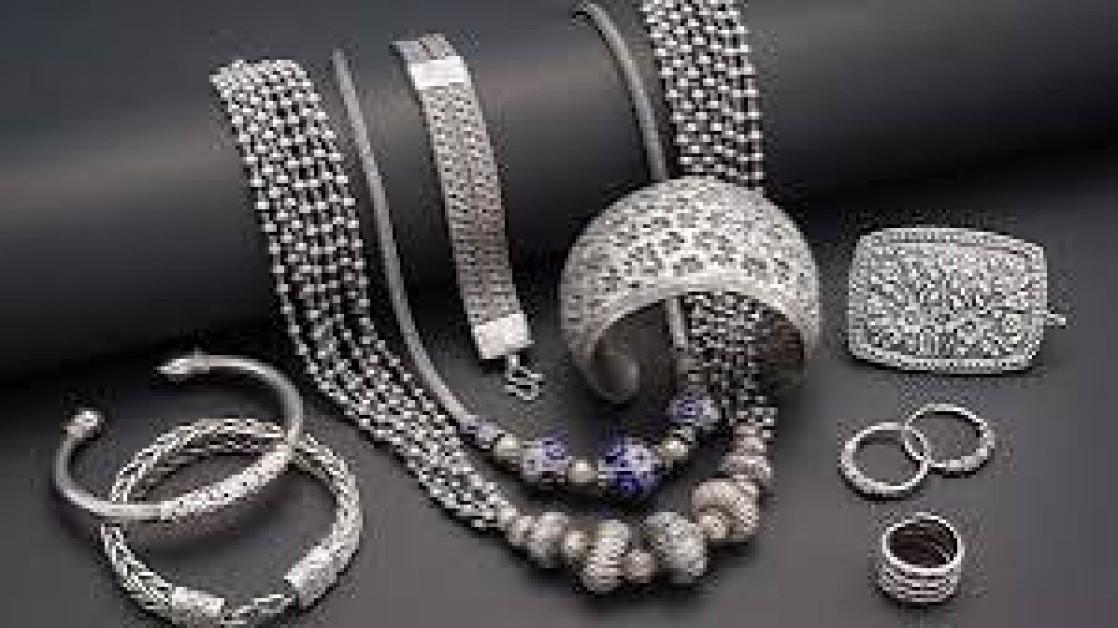
Silver Import Restrictions Reshape India's Premium Jewellery Market
Silver import restrictions are reshaping India's premium jewellery market as manufacturers, retailers and bullion traders adjust sourcing strategies in response to evolving trade policies. The changing import environment is influencing raw material availability, pricing dynamics and supply-chain planning across the jewellery industry, particularly in the premium silver segment.
India is one of the world's largest consumers of silver, with demand driven by jewellery, investment products, industrial applications and decorative items. Any changes to import regulations can therefore have a significant impact on businesses operating throughout the value chain.
Import Restrictions Influence Supply Dynamics

Changes in silver import policies affect the movement of raw materials into the domestic market.
Key impacts include:
-
Changes in supply availability
-
Revised sourcing strategies
-
Inventory management adjustments
-
Procurement planning
-
Import cost considerations
-
Supply-chain optimisation
-
Increased focus on domestic distribution
-
Long-term purchasing strategies
Manufacturers are adapting procurement practices to maintain production continuity.
Premium Jewellery Manufacturers Adjust Business Strategies
Premium jewellery companies are reassessing sourcing and production models.
Key responses include:
-
Diversifying suppliers
-
Optimising inventory
-
Improving manufacturing efficiency
-
Reviewing pricing strategies
-
Strengthening procurement processes
-
Expanding recycled silver usage
-
Enhancing product mix
-
Improving operational planning
Strategic sourcing has become increasingly important in maintaining competitiveness.
Pricing Trends Reflect Market Adjustments
Changes in silver availability can influence pricing across the premium jewellery segment.
Areas affected include:
-
Raw material costs
-
Manufacturing expenses
-
Wholesale pricing
-
Retail pricing
-
Premium product positioning
-
Inventory valuation
-
Working capital requirements
-
Profit margins
Companies continue balancing cost management with consumer demand.
Domestic Supply Chains Gain Greater Importance
The evolving import landscape is encouraging businesses to strengthen domestic supply networks.
Focus areas include:
-
Local sourcing partnerships
-
Distribution efficiency
-
Refining capabilities
-
Inventory optimisation
-
Logistics planning
-
Supplier relationships
-
Quality assurance
-
Risk management
More resilient supply chains can improve operational flexibility over the long term.
Consumer Demand Remains an Important Driver
Demand for premium silver jewellery continues to be influenced by multiple factors.
These include:
-
Festive purchases
-
Wedding demand
-
Fashion trends
-
Investment interest
-
Disposable income
-
Consumer confidence
-
Product innovation
-
Brand positioning
Premium brands continue introducing new collections to meet evolving consumer preferences.
Broader Silver Market Continues to Evolve
Silver demand extends well beyond jewellery manufacturing.
Major consumption segments include:
-
Industrial manufacturing
-
Electronics
-
Solar energy
-
Investment products
-
Decorative articles
-
Silverware
-
Automotive applications
-
Medical technologies
Growing industrial demand continues to influence the broader silver market.
Industry Focuses on Efficiency and Innovation
Jewellery companies are investing in operational improvements to remain competitive.
Priority areas include:
-
Manufacturing automation
-
Design innovation
-
Digital retail
-
Customer experience
-
Inventory optimisation
-
Sustainable sourcing
-
Product customisation
-
Brand expansion
Innovation remains a key differentiator within the premium jewellery segment.
Risks to Monitor
Despite continued demand, several challenges remain.
These include:
-
Precious metal price volatility
-
Import policy changes
-
Currency fluctuations
-
Supply-chain disruptions
-
Global demand shifts
-
Inventory costs
-
Consumer spending trends
-
Competitive pricing
-
Regulatory developments
-
Geopolitical uncertainties
These factors may influence profitability and future business strategies.
What Investors Should Watch
Investors should monitor:
-
Silver import policy developments
-
Precious metal prices
-
Domestic silver availability
-
Jewellery demand trends
-
Manufacturing margins
-
Inventory levels
-
Retail sales performance
-
Consumer spending
-
Global silver market conditions
-
Corporate earnings from jewellery companies
These indicators will help assess how evolving trade policies are affecting India's premium jewellery industry.
Outlook
India's premium jewellery market is expected to continue adapting to changes in silver import regulations through improved sourcing strategies, operational efficiency and stronger domestic supply-chain management. Companies that effectively manage procurement risks while maintaining product quality and competitive pricing are likely to be better positioned for long-term growth.
As consumer demand for premium jewellery remains resilient, the industry's ability to respond to evolving trade and commodity market conditions will play a significant role in shaping future performance.
Conclusion
Silver import restrictions are influencing multiple aspects of India's premium jewellery market, from sourcing and pricing to inventory management and supply-chain planning. While the industry faces short-term adjustments, continued investment in operational efficiency, supplier diversification and product innovation can help businesses navigate changing market conditions.
Over the long term, a more resilient and diversified supply chain may strengthen the competitiveness of India's premium jewellery sector despite fluctuations in global precious metal markets.
 Silver Import Restrictions Reshape India's Premium Jewellery Market FAQs
POST A COMMENT (0)
All Comments (0)
Replies (0)