





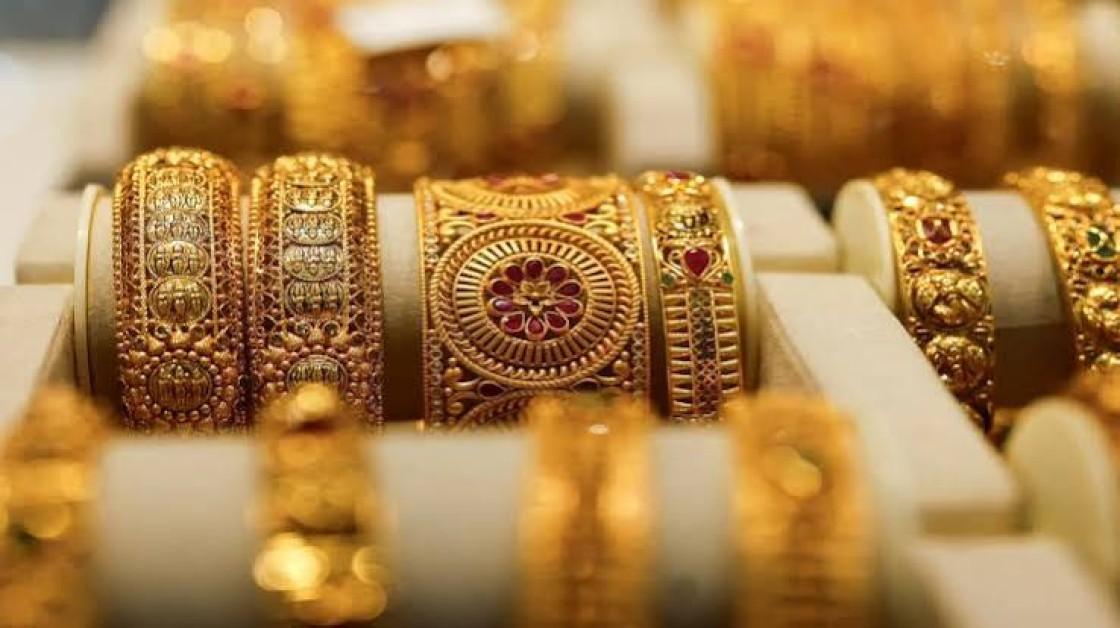
Premium Jewellery Demand Improves as Gold Prices Ease
Demand for premium jewellery is showing signs of improvement as easing global and domestic gold prices encourage consumers to resume discretionary purchases. Softer bullion prices are improving affordability, supporting footfall at organised jewellery retailers and strengthening demand for bridal, festive and luxury jewellery collections.
India remains one of the world's largest gold jewellery markets, with consumer demand influenced by gold prices, household income, seasonal buying and cultural celebrations. A moderation in prices is generally viewed as supportive for both retailers and manufacturers after periods of elevated bullion costs.
Lower Gold Prices Improve Consumer Affordability

A decline in gold prices makes premium jewellery more accessible to buyers.
Key benefits include:
-
Improved affordability
-
Higher consumer confidence
-
Increased store footfall
-
Better purchase volumes
-
Stronger bridal demand
-
Luxury jewellery purchases
-
Seasonal buying
-
Repeat customer activity
Lower bullion prices can encourage consumers who had postponed purchases during periods of high prices.
Organised Jewellery Retailers Benefit
Large jewellery chains are expected to benefit from improving demand.
Areas of strength include:
-
Bridal jewellery
-
Diamond jewellery
-
Premium gold collections
-
Branded jewellery
-
Wedding purchases
-
Lifestyle jewellery
-
Festival collections
-
Omni-channel sales
Organised retailers continue gaining market share through product innovation, trusted branding and nationwide store networks.
Bridal and Festive Demand Supports Sales
India's jewellery industry is closely linked to weddings and festive occasions.
Major demand drivers include:
-
Wedding season
-
Festival purchases
-
Family celebrations
-
Investment buying
-
Gifting demand
-
Cultural traditions
-
Rising disposable income
-
Premiumisation
These factors continue supporting long-term demand for jewellery despite short-term price fluctuations.
Premiumisation Continues Across the Market
Consumers are increasingly choosing higher-value and branded jewellery products.
Current trends include:
-
Lightweight premium designs
-
Designer collections
-
Diamond jewellery
-
Gemstone jewellery
-
Contemporary styles
-
Custom-made products
-
Certified jewellery
-
Luxury retail experiences
Premium offerings are becoming an increasingly important contributor to industry revenue.
Inventory Management Improves
Lower gold prices provide retailers with greater flexibility in procurement and inventory planning.
Key operational benefits include:
-
Better stock replenishment
-
Improved working capital
-
Flexible procurement
-
Inventory optimisation
-
Margin management
-
Product diversification
-
Faster inventory turnover
-
Supply chain efficiency
Efficient inventory management remains critical for profitability.
Consumer Spending Remains Resilient
Jewellery continues to be an important discretionary purchase category.
Factors supporting demand include:
-
Urban consumption
-
Premium retail expansion
-
Higher household income
-
Aspirational spending
-
Luxury consumption
-
Digital retail channels
-
Improved financing options
-
Brand loyalty
Strong consumer sentiment supports long-term industry growth.
Gold Prices Continue to Influence Buying Patterns
Bullion prices remain one of the most important variables affecting jewellery demand.
Market participants are monitoring:
-
International gold prices
-
Domestic bullion prices
-
Exchange-rate movements
-
Inflation trends
-
Interest rates
-
Global economic conditions
-
Safe-haven demand
-
Central bank policies
Price stability generally encourages stronger consumer participation.
Jewellery Industry Continues to Modernise
Retailers are investing in technology and customer experience to strengthen competitiveness.
Investment areas include:
-
Digital commerce
-
Virtual jewellery displays
-
AI-powered recommendations
-
Customer analytics
-
Inventory automation
-
Loyalty programmes
-
Store expansion
-
Omni-channel retailing
Technology continues improving operational efficiency and customer engagement.
Risks to Monitor
Investors should continue monitoring:
-
Gold price movements
-
Consumer demand
-
Exchange-rate fluctuations
-
Inflation
-
Import policies
-
Seasonal buying trends
-
Global economic conditions
-
Retail competition
-
Inventory costs
-
Luxury spending
These factors will influence the performance of the jewellery sector.
What Investors Should Watch
Key indicators include:
-
Gold price trends
-
Jewellery sales growth
-
Store expansion
-
Same-store sales
-
Bridal demand
-
Diamond jewellery sales
-
Operating margins
-
Inventory turnover
-
Consumer sentiment
-
Management guidance
These metrics will provide insight into the outlook for organised jewellery retailers and the broader luxury retail market.
Outlook
Premium jewellery demand is expected to remain supported if gold prices stay relatively stable and consumer confidence remains strong. Continued urbanisation, rising disposable incomes and increasing preference for branded jewellery are likely to sustain long-term industry growth.
Retailers that combine strong brand positioning, product innovation and digital capabilities are expected to be well placed to benefit from evolving consumer preferences.
Conclusion
Easing gold prices are improving affordability and encouraging stronger demand across India's premium jewellery market. Organised retailers are likely to benefit from higher consumer spending, stronger bridal demand and continued premiumisation within the sector.
Investors will closely monitor gold prices, festive and wedding demand, retail sales growth and margin performance as key indicators of the industry's future growth trajectory
 Premium Jewellery Demand Improves as Gold Prices Ease FAQs
POST A COMMENT (0)
All Comments (0)
Replies (0)