





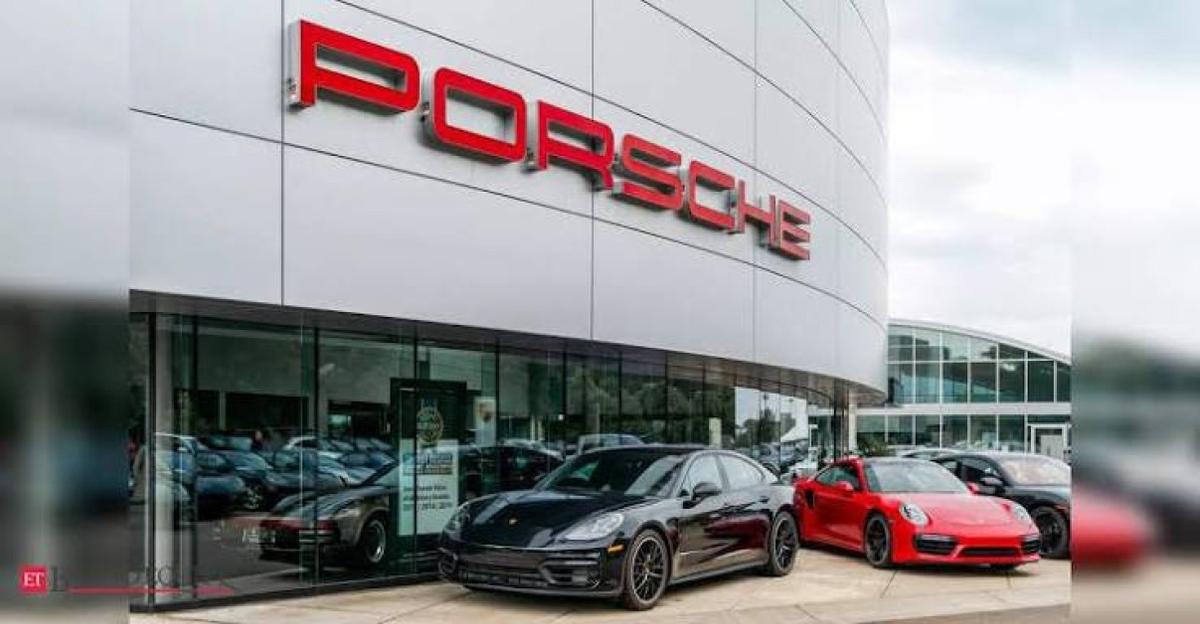
Porsche Says Restructuring Is Beginning to Deliver Results
Porsche has said its ongoing restructuring programme is starting to deliver measurable results as the luxury automaker works to improve operational efficiency, reduce costs and strengthen profitability amid a challenging global automotive market.
The company stated that the transformation initiatives launched earlier this year are beginning to improve performance, although management acknowledged that the broader business environment remains difficult due to slowing demand in key markets, geopolitical uncertainty and the industry's transition toward electric mobility. (Reuters)
Porsche's strategy focuses on enhancing long-term competitiveness while preserving the premium positioning that has defined the brand for decades.
Restructuring Focuses on Long-Term Competitiveness

The restructuring programme is designed to improve Porsche's efficiency without compromising product quality or brand value.
Key priorities include:
-
Cost optimisation
-
Manufacturing efficiency
-
Product portfolio review
-
Supply-chain improvements
-
Digital transformation
-
Workforce restructuring
-
Investment discipline
-
Operational excellence
The company believes these initiatives will strengthen financial performance over the coming years.
Cost Reduction Remains a Key Objective
Porsche continues implementing measures to improve profitability by lowering operating costs.
Areas receiving particular attention include:
-
Manufacturing operations
-
Procurement
-
Administrative expenses
-
Logistics
-
Product development
-
Corporate functions
-
Process automation
-
Capital allocation
Improved cost discipline is expected to provide greater financial flexibility while supporting future investment.
Luxury Vehicle Demand Remains Uneven
The restructuring comes as the global luxury automotive market experiences mixed demand across different regions.
Several factors continue influencing customer purchasing decisions:
-
Higher interest rates
-
Economic uncertainty
-
Consumer confidence
-
Currency fluctuations
-
Geopolitical tensions
-
Inflation
-
Financing costs
-
Global trade conditions
Although premium vehicle demand remains relatively resilient compared with the broader automotive market, manufacturers continue facing slower growth in some regions.
Electric Vehicle Transition Continues
Porsche remains committed to expanding its electrification strategy while maintaining a balanced product portfolio.
Investment priorities include:
-
Electric vehicle development
-
Battery technology
-
Software platforms
-
Charging infrastructure partnerships
-
Digital vehicle systems
-
Sustainable manufacturing
-
Performance engineering
-
Product innovation
The company continues adapting its strategy to changing customer demand and evolving regulatory requirements.
Product Portfolio Remains a Strategic Strength
Porsche's diversified lineup continues supporting its long-term business strategy.
The company remains focused on:
-
Sports cars
-
Luxury SUVs
-
Performance sedans
-
Hybrid vehicles
-
Electric models
-
Limited-edition products
-
Customisation programmes
-
High-performance variants
A balanced portfolio allows Porsche to respond to changing consumer preferences across global markets.
Manufacturing Efficiency Continues to Improve
Operational improvements remain central to the restructuring programme.
The company is investing in:
-
Factory modernisation
-
Production automation
-
Digital manufacturing
-
Quality control
-
Inventory optimisation
-
Supply-chain integration
-
Flexible production
-
Energy efficiency
These initiatives are intended to improve productivity while maintaining Porsche's premium manufacturing standards.
Supply Chain Resilience Gains Importance
Automakers continue strengthening supply-chain resilience following recent global disruptions.
Porsche is focusing on:
-
Supplier diversification
-
Inventory planning
-
Component availability
-
Logistics optimisation
-
Strategic sourcing
-
Digital supply-chain management
-
Risk monitoring
-
Production continuity
A more resilient supply chain helps reduce operational disruptions and improve delivery reliability.
Digital Transformation Supports Operations
Technology remains an important part of Porsche's long-term strategy.
The company continues investing in:
-
Software development
-
Connected vehicle technology
-
Manufacturing automation
-
Data analytics
-
Customer experience
-
Digital retail
-
Artificial intelligence
-
Smart production systems
Digital capabilities are expected to improve both operational efficiency and customer engagement.
China Remains an Important Market
China continues to play a significant role in Porsche's global business.
However, demand in the Chinese premium vehicle market has become more competitive as consumer spending moderates and domestic manufacturers strengthen their presence.
The company continues evaluating regional market conditions while adjusting its commercial strategy where necessary.
Europe and North America Provide Stability
Mature markets continue supporting Porsche's business through strong brand recognition and a loyal customer base.
The company continues investing in:
-
Dealer networks
-
Customer services
-
Digital sales
-
Brand experience
-
After-sales support
-
Premium ownership programmes
-
Vehicle personalisation
-
Customer retention
Maintaining strong relationships with existing customers remains a strategic priority.
Profitability Remains a Core Focus
Beyond revenue growth, Porsche continues prioritising profitability.
Management remains focused on:
-
Operating margins
-
Cash generation
-
Return on investment
-
Capital efficiency
-
Cost management
-
Product mix
-
Pricing discipline
-
Financial stability
Maintaining premium margins remains an important competitive advantage.
Industry Competition Continues to Increase
The luxury automotive sector remains highly competitive.
Manufacturers continue competing across:
-
Electric vehicles
-
Technology
-
Performance
-
Design
-
Sustainability
-
Customer experience
-
Brand positioning
-
Innovation
Continuous investment remains necessary to preserve long-term market leadership.
Risks Facing the Automotive Industry
Several external factors continue affecting the sector.
These include:
-
Slower global economic growth
-
Trade policy uncertainty
-
Commodity-price volatility
-
Semiconductor availability
-
Battery supply chains
-
Currency fluctuations
-
Regulatory changes
-
Consumer demand
Automakers continue balancing investment with financial discipline as these risks evolve.
Investors Monitor Restructuring Progress
Investors are expected to evaluate the success of Porsche's programme using several indicators.
Important metrics include:
-
Operating margins
-
Vehicle deliveries
-
Revenue growth
-
Cost savings
-
Cash flow
-
Product launches
-
Electric vehicle adoption
-
Regional performance
-
Capital expenditure
-
Profitability
Steady improvement across these measures would indicate that the restructuring is achieving its intended objectives.
Outlook
Porsche expects its restructuring programme to continue delivering benefits as operational improvements become more visible over the coming quarters.
Although challenges remain across the global automotive industry, management believes that disciplined cost control, manufacturing efficiency and continued investment in technology will strengthen the company's competitive position.
The long-term outlook will depend on the pace of electric vehicle adoption, global economic conditions and sustained demand for premium automobiles.
Conclusion
Porsche's latest update suggests that its restructuring programme is beginning to produce tangible operational improvements while positioning the company for long-term growth.
Through cost optimisation, manufacturing efficiency, digital transformation and continued investment in premium products, the automaker aims to strengthen profitability in an increasingly competitive market.
While economic uncertainty, changing consumer preferences and the transition to electric mobility continue presenting challenges, Porsche's focus on operational excellence and brand strength is expected to remain central to its long-term strategy.
 Porsche Says Restructuring Begins Delivering Results Despite Challenges FAQs
POST A COMMENT (0)
All Comments (0)
Replies (0)