





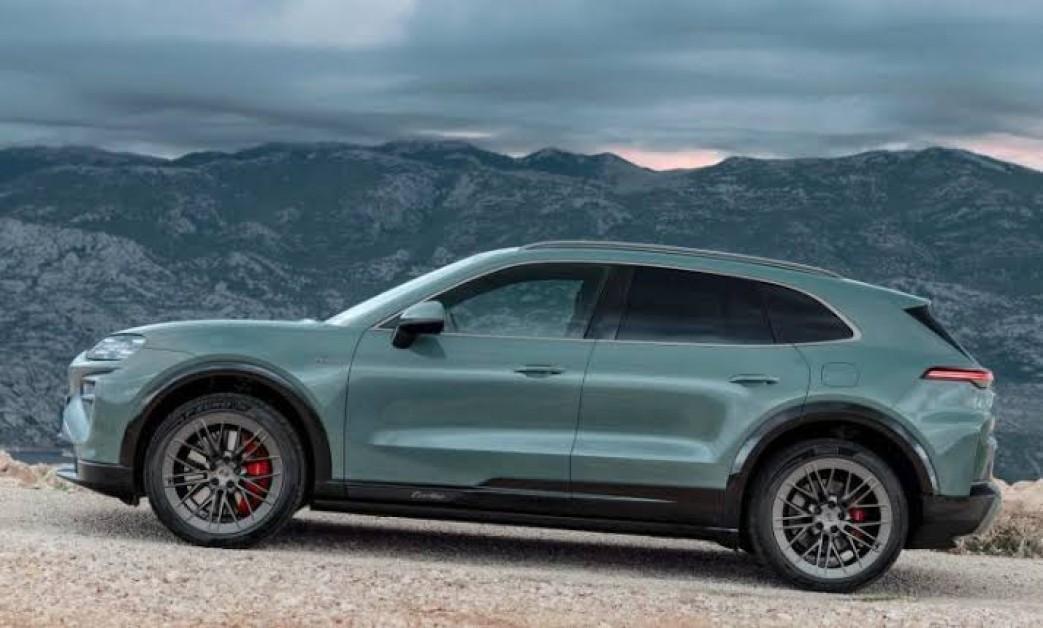
Porsche Continues Global Restructuring to Improve Profitability
Porsche is continuing its global restructuring programme as the luxury automaker works to improve profitability, strengthen operational efficiency and adapt to changing conditions in the global automotive industry. The company is implementing cost optimisation measures while continuing to invest in product innovation, electrification and digital technologies to support long-term competitiveness.
The restructuring reflects broader changes across the global automotive sector, where manufacturers are balancing investments in electric vehicles, software development and advanced manufacturing with the need to manage costs amid evolving consumer demand.
Restructuring Focuses on Long-Term Efficiency

Porsche's restructuring programme is designed to enhance operational performance while preserving its premium market positioning.
Key priorities include:
-
Cost optimisation
-
Productivity improvements
-
Operational efficiency
-
Process simplification
-
Organisational effectiveness
-
Resource allocation
-
Technology investment
-
Sustainable profitability
The company aims to strengthen financial performance without compromising product quality or brand value.
Profitability Remains a Strategic Priority
Luxury automobile manufacturers continue focusing on maintaining healthy margins despite a changing industry landscape.
Areas of emphasis include:
-
Cost discipline
-
Product mix
-
Premium pricing
-
Manufacturing efficiency
-
Supply chain optimisation
-
Capital allocation
-
Cash flow management
-
Long-term value creation
Maintaining strong profitability remains critical as the industry invests heavily in future technologies.
Electrification Continues to Shape Investment
Porsche continues investing in electric mobility as part of its long-term product strategy.
Investment areas include:
-
Battery-electric vehicles
-
Charging infrastructure
-
Vehicle software
-
Battery technology
-
Platform development
-
Digital connectivity
-
Manufacturing upgrades
-
Research and development
The company continues balancing demand for electric vehicles with its established portfolio of internal combustion and hybrid models.
Global Automotive Industry Faces Structural Change
Vehicle manufacturers worldwide are adapting to multiple industry trends.
Key developments include:
-
Electrification
-
Software-defined vehicles
-
Connected mobility
-
Autonomous driving technologies
-
Sustainability initiatives
-
Supply chain diversification
-
Digital manufacturing
-
Advanced engineering
These changes require significant long-term capital investment across the sector.
Cost Optimisation Supports Competitiveness
Improving cost efficiency remains a key objective throughout the restructuring programme.
Operational initiatives include:
-
Manufacturing optimisation
-
Procurement efficiency
-
Process automation
-
Digital transformation
-
Workforce planning
-
Supply chain improvements
-
Resource utilisation
-
Administrative efficiency
Cost management helps companies maintain competitiveness while funding future innovation.
Luxury Vehicle Demand Continues to Evolve
The global luxury automotive market remains resilient, although demand patterns continue to shift across regions.
Consumer priorities increasingly include:
-
Performance
-
Technology
-
Sustainability
-
Brand heritage
-
Premium design
-
Digital features
-
Personalisation
-
Driving experience
Manufacturers continue adapting their product strategies to changing customer preferences.
Digital Transformation Accelerates
Technology remains central to the future of premium automotive manufacturing.
Investment priorities include:
-
Vehicle software
-
Artificial intelligence
-
Connected services
-
Over-the-air updates
-
Customer applications
-
Manufacturing automation
-
Data analytics
-
Digital engineering
Digital capabilities are becoming an important competitive differentiator.
Supply Chain Resilience Remains Important
Automakers continue strengthening supply chain resilience following recent industry disruptions.
Key focus areas include:
-
Supplier diversification
-
Inventory planning
-
Semiconductor availability
-
Logistics optimisation
-
Local sourcing
-
Risk management
-
Production flexibility
-
Strategic partnerships
Stable supply chains support consistent production and customer deliveries.
Sustainability Drives Long-Term Strategy
Environmental sustainability remains a major strategic priority.
The company continues investing in:
-
Lower-emission vehicles
-
Renewable energy
-
Sustainable manufacturing
-
Resource efficiency
-
Circular economy initiatives
-
Carbon reduction
-
Green logistics
-
Responsible sourcing
Sustainability is increasingly influencing both investment decisions and consumer preferences.
Global Competition Intensifies
The premium automotive market remains highly competitive.
Manufacturers compete through:
-
Product innovation
-
Brand strength
-
Technology
-
Electrification
-
Customer experience
-
Manufacturing quality
-
Performance
-
Design
Continuous innovation remains essential for maintaining market leadership.
Risks to Monitor
Industry participants should continue monitoring:
-
Consumer demand
-
Economic conditions
-
Electric vehicle adoption
-
Raw material costs
-
Supply chain stability
-
Interest rates
-
Currency movements
-
Regulatory developments
-
Global competition
-
Technology investment
These factors could influence future profitability and operational performance.
What Investors Should Watch
Investors should monitor:
-
Profit margins
-
Cost reduction progress
-
Vehicle deliveries
-
Electric vehicle sales
-
Product launches
-
Capital expenditure
-
Cash flow
-
Management guidance
-
Market demand
-
Restructuring milestones
These indicators will provide insight into the effectiveness of Porsche's long-term strategy.
Outlook
Porsche's restructuring programme reflects the broader transformation underway across the global automotive industry.
Continued investment in electrification, digital technologies and operational efficiency is expected to strengthen the company's competitive position while supporting sustainable profitability.
The pace of execution, consumer demand and technological innovation will remain key determinants of future performance.
Conclusion
Porsche's ongoing global restructuring underscores its commitment to improving profitability while preparing for the next phase of the automotive industry's evolution.
By focusing on operational efficiency, disciplined cost management and continued investment in electric mobility and digital technologies, the company aims to reinforce its position in the global luxury vehicle market.
As the restructuring progresses, investors will closely monitor profitability, execution, product innovation and demand trends to assess the long-term impact of the company's strategic initiatives.
 Porsche Continues Global Restructuring to Improve Profitability FAQs
POST A COMMENT (0)
All Comments (0)
Replies (0)