





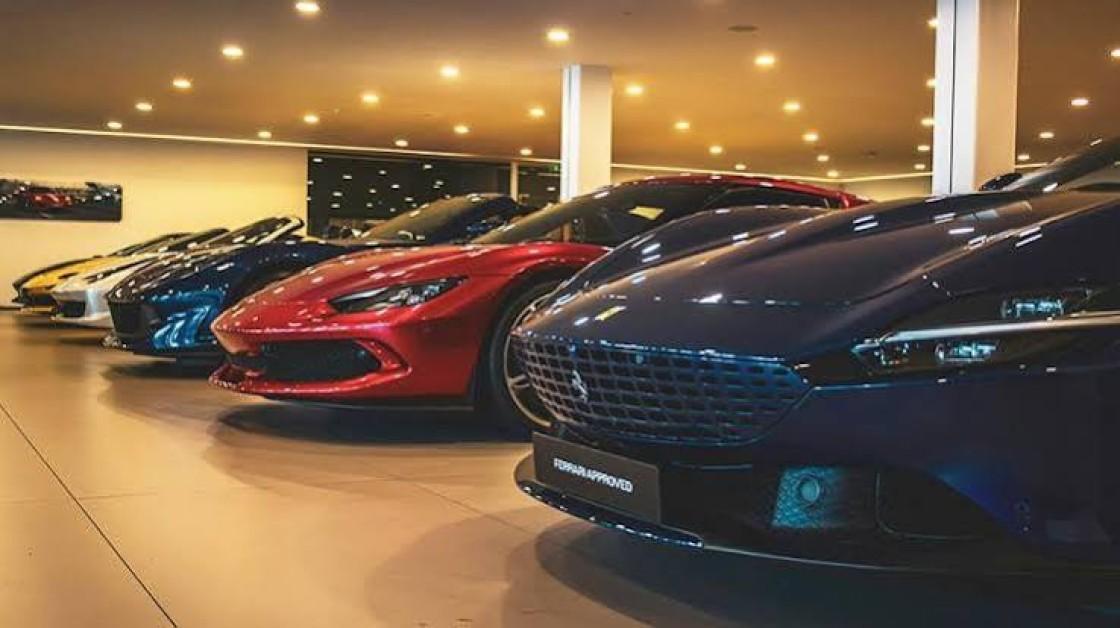
Luxury Automakers Strengthen India Expansion Plans
Global luxury automobile manufacturers are strengthening their expansion strategies in India as rising incomes, increasing demand for premium mobility and growing interest in luxury vehicles continue to support the country's high-end automotive market. Leading automakers are investing in dealership networks, new product launches, electric vehicle (EV) portfolios and enhanced customer experiences to capture long-term growth opportunities.
India's luxury automobile segment remains a relatively small share of the overall passenger vehicle market, but it continues to outperform broader industry growth due to rising affluent consumer demand and expanding premium mobility preferences.
Premium Vehicle Demand Continues to Rise

Demand for luxury automobiles is being supported by changing consumer preferences.
Key growth drivers include:
-
Rising disposable incomes
-
Growing affluent population
-
Premium lifestyle adoption
-
Corporate purchases
-
Luxury SUV demand
-
Urbanisation
-
Aspirational buying
-
Brand loyalty
The premium vehicle segment continues to attract new buyers across major metropolitan markets.
Automakers Expand Retail Networks
Luxury manufacturers are increasing investments in customer reach and service infrastructure.
Expansion priorities include:
-
New dealerships
-
Premium showrooms
-
Service centres
-
Digital retail platforms
-
Customer experience hubs
-
Test-drive facilities
-
Certified pre-owned programmes
-
After-sales support
A broader retail footprint is expected to improve customer accessibility and brand visibility.
Electric Luxury Vehicles Gain Momentum
Luxury automakers are accelerating investments in premium electric mobility.
Key focus areas include:
-
Battery electric vehicles (BEVs)
-
High-performance EVs
-
Luxury electric SUVs
-
Charging ecosystem partnerships
-
Connected vehicle technologies
-
Sustainable mobility
-
Software-enabled features
-
Advanced driver assistance systems
The transition toward electrification is becoming a central pillar of long-term product strategy.
Technology Enhances Premium Experience
Luxury vehicles continue to differentiate themselves through advanced technologies.
Investment areas include:
-
Artificial intelligence features
-
Connected car platforms
-
Digital cockpit systems
-
Over-the-air software updates
-
Autonomous driving assistance
-
Premium infotainment
-
Vehicle cybersecurity
-
Smart mobility solutions
Technology is becoming a key purchasing factor for premium vehicle buyers.
SUV Segment Continues to Lead Growth
Luxury sport utility vehicles remain the fastest-growing category within the premium automobile market.
Consumer preferences are favouring:
-
Premium SUVs
-
Performance vehicles
-
Long-wheelbase models
-
Family-oriented luxury vehicles
-
Off-road capability
-
Hybrid powertrains
-
Electric SUVs
-
Personalised configurations
SUVs continue to account for a significant share of new luxury vehicle demand.
Customer Experience Becomes a Competitive Advantage
Automakers are investing beyond vehicle sales to strengthen long-term customer relationships.
Key initiatives include:
-
Personalised ownership programmes
-
Digital service booking
-
Concierge services
-
Extended warranties
-
Connected maintenance
-
Loyalty programmes
-
Premium financing solutions
-
Subscription services
A differentiated ownership experience remains essential in the luxury segment.
Local Market Investment Continues
Manufacturers continue strengthening their long-term presence in India.
Investment priorities include:
-
Dealer expansion
-
Product localisation
-
Supply chain development
-
Digital sales platforms
-
Service infrastructure
-
Training programmes
-
Brand marketing
-
Customer engagement
Long-term investment reflects confidence in India's premium automotive market.
Industry Competition Intensifies
Competition continues increasing among global luxury brands.
Key competitive factors include:
-
Product innovation
-
Electrification
-
Technology integration
-
Brand positioning
-
Pricing strategies
-
Financing options
-
Customer experience
-
Network expansion
Continuous innovation is expected to remain a major differentiator.
Risks to Monitor
Industry participants should monitor:
-
Consumer demand
-
Interest rates
-
Luxury spending trends
-
Import regulations
-
EV adoption
-
Charging infrastructure
-
Exchange-rate movements
-
Supply chain conditions
-
Commodity prices
-
Global economic growth
These factors will influence the pace of expansion in the luxury automobile market.
What Investors Should Watch
Key indicators include:
-
Luxury vehicle sales
-
New model launches
-
EV adoption
-
Dealer network expansion
-
Customer bookings
-
Average selling prices
-
Premium SUV demand
-
Market share trends
-
Capital investment
-
Management guidance
These metrics will provide insight into the long-term growth of India's luxury automotive sector.
Outlook
India's luxury automobile market is expected to continue expanding as premium consumption rises, electric vehicle adoption accelerates and global manufacturers deepen their investments in the country.
Growth in affluent households, improving infrastructure and increasing demand for technologically advanced vehicles are likely to support long-term industry expansion. Companies that combine premium product portfolios with strong retail networks and digital customer experiences are expected to strengthen their competitive position.
Conclusion
Luxury automakers are reinforcing their commitment to the Indian market through investments in dealerships, electric vehicles, premium technologies and customer experience initiatives.
As demand for high-end mobility solutions continues to grow, India's luxury automobile sector is expected to remain an attractive long-term opportunity for global manufacturers and investors.
Investors will closely monitor vehicle sales, EV adoption, retail expansion, product launches and consumer demand as key indicators of the industry's future growth trajectory.
 Luxury Automakers Strengthen India Expansion Plans FAQs
POST A COMMENT (0)
All Comments (0)
Replies (0)