





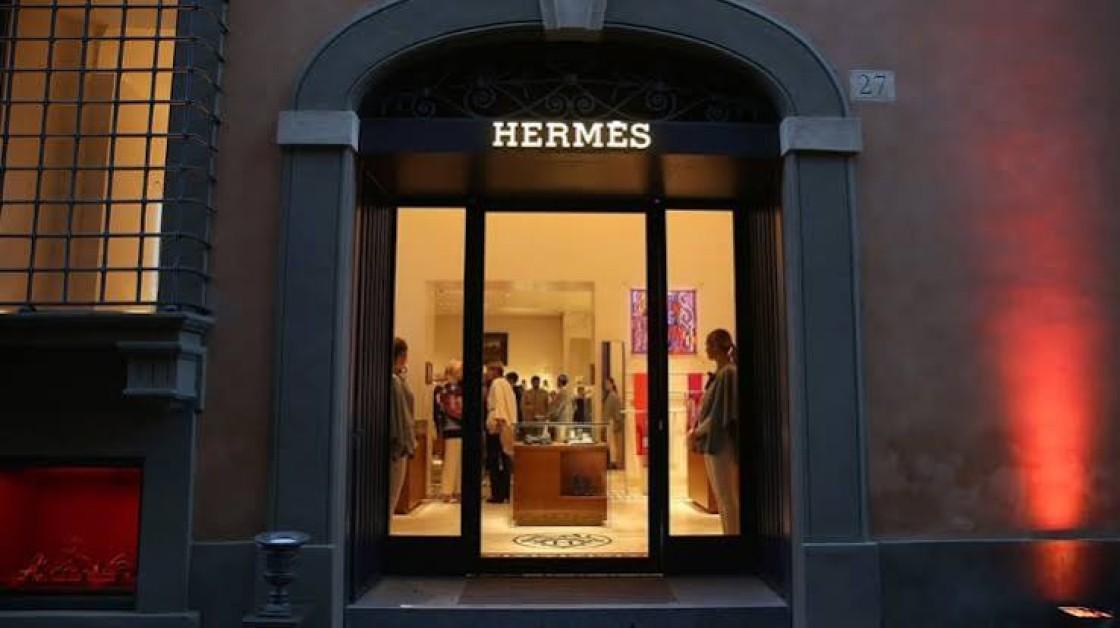
Hermès Reports Strong Quarterly Sales Despite Global Luxury Market Challenges
Hermès reported continued quarterly sales growth despite weak luxury demand in China, softer spending in parts of the Middle East and an uneven recovery across the wider global premium-goods industry.
The French luxury group generated second-quarter sales of approximately €4.1 billion, representing growth of 6.7% at constant exchange rates. The performance improved from the previous quarter and demonstrated the continued resilience of its tightly controlled distribution model, high-end customer base and strong leather-goods portfolio. (Reuters)
However, investors responded cautiously because growth in China remained subdued and the overall result did not significantly exceed expectations. Hermès shares fell sharply after the announcement as markets reassessed whether the company's premium valuation could be sustained without a stronger recovery in its largest Asian market. (Reuters)
Quarterly Sales Rise 6.7% to €4.1 Billion

Hermès recorded second-quarter revenue of about €4.1 billion, up 6.7% on a constant-currency basis.
The result represented an acceleration from the first quarter, when revenue increased approximately 6% at constant exchange rates. The improvement showed that demand for the company's highest-profile products remained resilient despite broader economic and geopolitical uncertainty. (Reuters)
Hermès continued to outperform several competitors that have faced declining sales, major restructuring programmes or prolonged weakness at flagship brands.
Leather Goods Remain the Main Growth Engine
Leather goods and saddlery remained central to the company's performance.
Sales in the division increased approximately 10% during the quarter, supported by sustained demand for products such as Birkin and Kelly handbags. Although the result was slightly below analyst forecasts, the category continued to demonstrate significant pricing power and strong customer demand. (Reuters)
The division benefits from several structural advantages:
-
Limited product availability
-
Strong brand recognition
-
Controlled production
-
Skilled craftsmanship
-
Long waiting lists
-
High customer loyalty
-
Premium pricing
-
Global demand
Hermès deliberately limits production expansion to protect exclusivity, helping its products retain desirability even during periods of weaker luxury spending.
Americas Deliver Strong Growth
The Americas were among Hermès' strongest regions during the quarter, recording sales growth of approximately 13.7% at constant exchange rates.
Demand from affluent U.S. consumers remained resilient, supported partly by strong financial and property markets. Wealth gains among high-income households can have a meaningful effect on luxury spending because premium purchases are closely connected to confidence and asset values. (Reuters)
The United States continues to offer substantial growth opportunities through new store openings, expanded retail locations and sustained demand across leather goods, jewellery, fashion and accessories.
Japan Continues to Outperform
Japan also delivered double-digit sales growth, increasing approximately 12.3% during the quarter.
The country remains one of Hermès' most important luxury markets, supported by domestic consumers, international tourism and strong appreciation for craftsmanship and heritage brands. (Vogue)
Japan's performance helped offset slower growth elsewhere in Asia and demonstrated the value of Hermès' geographic diversification.
China Recovery Remains Limited
China continued to represent the most significant weakness in the quarterly results.
Sales in Asia-Pacific excluding Japan increased only around 2.5%, below market expectations. The result suggested that demand in mainland China remained broadly stable but had not developed into the meaningful recovery investors had hoped to see. (Reuters)
China has historically been one of the global luxury industry's most important markets. Consumer confidence, property values and household wealth remain critical to a broader recovery.
Hermès management indicated that conditions were stable, but uncertainty remained across several important Asian markets. (Reuters)
Middle East Demand Faces Pressure
The Middle East also experienced softer conditions, with regional sales declining during the quarter.
Geopolitical conflict and weaker luxury spending affected business in markets such as Dubai, while international tourism and travel patterns also influenced sales in European luxury destinations. (Reuters)
The region remains strategically important because of its concentration of high-net-worth consumers, premium retail developments and international visitors.
Operating Margin Remains Exceptionally Strong
Hermès reported an operating margin of approximately 41% for the first half, exceeding market expectations.
The profitability level remains significantly higher than that of many luxury-industry competitors and reflects the strength of the company's direct retail distribution, pricing power and high-margin leather-goods business. (Reuters)
Strong margins provide Hermès with financial flexibility to continue investing in:
-
New production facilities
-
Artisan recruitment
-
Store development
-
Product innovation
-
Employee training
-
Supply-chain control
-
Brand communication
-
Long-term expansion
The margin performance was one of the strongest elements of the results, even though investors focused more heavily on regional sales growth.
Shares Fall Despite Sales Growth
Hermès shares dropped sharply following the announcement, recording their worst single-day decline in more than 15 years, according to Reuters.
The negative reaction reflected a combination of limited Chinese recovery, modest overall sales acceleration and the company's elevated market valuation. The stock had been trading at approximately 38 times expected earnings, creating high expectations for continued outperformance. (Reuters)
When a company trades at a substantial valuation premium, results that merely meet expectations can sometimes trigger selling even when the underlying business remains strong.
Luxury Market Remains Uneven
The global luxury sector continues to experience considerable differences between regions, consumer groups and product categories.
Affluent consumers remain relatively resilient, particularly in the United States, Japan and South Korea. However, aspirational buyers have become more cautious amid inflation, economic uncertainty and higher living costs. (Reuters)
The broader industry is being shaped by:
-
Weak Chinese consumer confidence
-
Uneven international tourism
-
Geopolitical conflict
-
Currency movements
-
Luxury price increases
-
Changing consumer preferences
-
Financial-market performance
-
Greater demand for jewellery
Companies with stronger brands, high-income customers and limited product availability have generally performed better than businesses dependent on accessible luxury and trend-driven fashion.
Jewellery Gains Importance Across Luxury Sector
Jewellery has become an increasingly important source of growth across the global luxury industry.
Unlike some fashion categories, high-end jewellery may benefit from perceptions of durability, craftsmanship and long-term value. Industry analysts increasingly expect jewellery performance to help differentiate the strongest luxury groups from weaker competitors. (Reuters)
Hermès has continued expanding its jewellery and watch offerings while maintaining leather goods as its dominant business.
Controlled Distribution Protects Brand Value
Hermès operates almost entirely through its own retail network, giving the company greater control over pricing, inventory and the customer experience.
This model limits exposure to wholesale discounting and excess inventory, two factors that can weaken luxury-brand perception.
Its strategy depends on:
-
Limited supply
-
Full-price sales
-
Direct customer relationships
-
Carefully selected locations
-
Controlled product availability
-
Consistent store experience
-
Long-term brand building
-
Minimal discounting
The approach can constrain short-term revenue growth, but it also protects exclusivity and profitability.
Production Capacity Continues to Expand Gradually
Hermès continues increasing production capacity, particularly for leather goods, while avoiding rapid expansion that could undermine quality or scarcity.
The company requires highly trained artisans to manufacture its handbags, making capacity growth a gradual process.
New workshops and workforce development programmes support increased production over time, but the group maintains strict quality standards.
This disciplined approach helps explain why demand frequently exceeds available supply.
Pricing Power Remains a Major Advantage
Hermès has historically implemented annual price increases while maintaining strong demand.
The company indicated earlier in 2026 that prices would increase by approximately 5% to 6% during the year, slightly below the previous year's pace. (Reuters)
Pricing power supports revenue and margins, but the company must continue balancing price increases with regional currency movements and customer perception.
The strongest luxury brands can raise prices because customers value scarcity, craftsmanship and brand heritage rather than evaluating products only through conventional price comparisons.
Currency Movements Remain a Challenge
Exchange-rate movements continue to affect reported revenue.
A stronger euro reduces the value of sales earned in other currencies when translated into the group's reporting currency. Currency changes had already reduced Hermès' reported first-quarter revenue by approximately €290 million. (Reuters)
Although constant-currency figures provide a clearer picture of underlying demand, reported sales and earnings remain exposed to foreign-exchange volatility.
Risks to Monitor
Hermès continues to face several business and market risks:
-
Prolonged weakness in China
-
Geopolitical disruption
-
Currency volatility
-
Slower U.S. luxury spending
-
Financial-market corrections
-
Tourism changes
-
High stock valuation
-
Production constraints
-
Counterfeit products
-
Shifts in consumer preferences
A decline in financial or property markets could particularly affect luxury spending among wealthy consumers whose confidence is linked to asset values. (Reuters)
What Investors Should Watch
Investors should monitor:
-
China sales trends
-
Leather-goods growth
-
Americas performance
-
Japan demand
-
Operating margins
-
Currency effects
-
Store openings
-
Production capacity
-
Pricing strategy
-
Luxury-sector valuations
Evidence of a sustained Chinese recovery would provide an important catalyst, while continued weakness could limit the company's near-term growth rate.
Outlook
Hermès remains one of the strongest businesses in the global luxury sector.
Its brand desirability, disciplined distribution, high operating margins and exposure to ultra-wealthy consumers provide significant resilience during difficult market conditions.
However, investor expectations remain exceptionally high because the company trades at a substantial premium to many competitors.
Future share-price performance will therefore depend not only on whether sales continue growing but also on whether Hermès can outperform forecasts, maintain margins and generate stronger growth in China.
Conclusion
Hermès' latest quarterly results demonstrated the resilience of its luxury business despite persistent challenges across China, the Middle East and parts of Europe.
Sales increased 6.7% to approximately €4.1 billion, supported by strong demand in the Americas and Japan and continued growth in leather goods. Operating profitability also remained exceptionally strong. (Reuters)
The sharp decline in the company's shares, however, showed that investors expected more decisive growth given Hermès' premium valuation.
The underlying business remains robust, but the next phase will depend heavily on whether Chinese demand improves and whether wealthy consumers in the United States and other major markets continue supporting luxury spending.
 Hermès Quarterly Sales Rise Despite Luxury Market Challenges FAQs
POST A COMMENT (0)
All Comments (0)
Replies (0)