





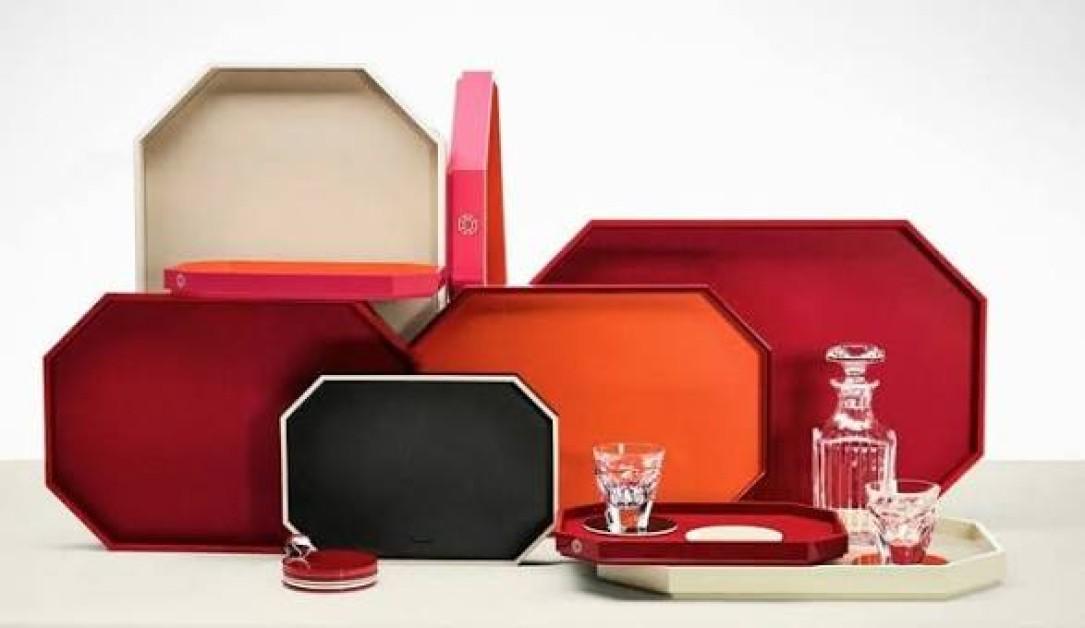
Baccarat Showcases Crystal Craftsmanship as Treasury of Trousseau 2026 Concludes at DLF Emporio
Treasury of Trousseau 2026 concludes in New Delhi on September 5 with a showcase by French crystal house Baccarat, bringing the three-day luxury, couture and wedding-focused programme at DLF Emporio to a close with an immersive presentation celebrating crystal craftsmanship and design heritage.
The concluding event, titled:
A Celebration of Crystal & Creation with Baccarat,
is being held at:
Café Emporio
on the ground floor of DLF Emporio from:
8 PM to 11 PM.
At the centre of the presentation is Baccarat's:
Elephant Vase in Midnight Blue Crystal,
a contemporary reinterpretation linked to the Maison's historic Elephant Liquor Cabinet.
The showcase brings Baccarat's crystal-making heritage into a programme that has combined:
couture,
fashion,
craftsmanship,
designer interactions,
luxury gifting,
and experiential retail
across three days.
The finale also illustrates a wider change taking place within India's luxury market, where leading brands and premium shopping destinations are increasingly using curated experiences to engage customers beyond conventional store-based retail.
Treasury of Trousseau 2026 Concludes on September 5

Treasury of Trousseau 2026 has been structured as a three-day programme running from:
September 3 to September 5.
The event has brought together Indian designers, luxury brands and curated experiences around India's wedding and celebration economy.
Rather than operating as a conventional exhibition, the programme combines:
collection launches,
designer conversations,
fashion showcases,
appointments,
and brand experiences.
The 2026 edition features nine distinct showcases along with additional designer access and special brand offerings.
Baccarat's presentation serves as the final major event of the programme.
Baccarat Leads the Closing Celebration
The final evening is dedicated to the French crystal Maison.
Baccarat's presentation focuses on:
heritage, craftsmanship and artistic creation.
The company has been producing crystal since:
1764.
Over more than two and a half centuries, Baccarat has developed a global reputation for crystal creations spanning:
tableware,
barware,
lighting,
decorative objects,
and collectible pieces.
Its participation in Treasury of Trousseau places crystal craftsmanship alongside Indian couture and contemporary luxury design.
Midnight Blue Elephant Vase Takes Centre Stage
The centrepiece of Baccarat's presentation is the:
Elephant Vase in Midnight Blue Crystal.
The object features a midnight blue crystal elephant supporting a vase decorated with a:
Japanese bamboo motif.
The composition is paired with:
finely gilded bronze.
The piece combines decorative craftsmanship with a design lineage extending back to one of Baccarat's historic creations.
That connection between archival design and contemporary interpretation is central to the presentation.
Design Reinterprets Baccarat's Historic Elephant Liquor Cabinet
The Elephant Vase draws inspiration from Baccarat's celebrated:
Elephant Liquor Cabinet.
The original model was recognised with a:
gold medal at the 1878 Paris World's Fair.
The historic piece itself drew inspiration from an even earlier architectural idea associated with Paris.
Its elephant form was influenced by Napoleon's proposed monumental elephant fountain for:
Place de la Bastille.
Although the planned permanent elephant fountain was never completed as originally envisioned, the concept became part of the visual history associated with the site.
Baccarat subsequently interpreted the elephant form through its own decorative craftsmanship.
Historic Baccarat Elephant Has Indian Connection
The Elephant Liquor Cabinet also has a reported connection with India.
One example of the limited-edition cabinet is said to have been commissioned during the:
1920s
by the:
Maharaja of Baroda
in connection with the Indian Elephant Festival.
That historical association gives the contemporary Elephant Vase particular relevance within an Indian luxury showcase.
The new interpretation brings together:
French crystal craftsmanship,
European decorative history,
Asian design influences,
and an Indian historical connection.
Baccarat Has Crafted Crystal Since 1764
Baccarat's history dates to the eighteenth century.
The company was established in the French town of Baccarat and gradually became internationally associated with highly skilled crystal production.
Its creations have historically been connected with:
royal households,
luxury residences,
hospitality,
collectors,
and ceremonial occasions.
The brand's longevity is significant within luxury because heritage can become part of the value proposition.
Customers are purchasing not simply an object but also:
craftsmanship,
design history,
brand identity,
and cultural association.
Crystal Production Requires Specialist Craftsmanship
High-end crystal objects can require multiple stages of specialised production.
These can involve:
forming,
cutting,
engraving,
polishing,
and finishing.
Complex decorative objects may combine crystal with additional materials such as:
metal,
gold detailing,
or other ornamental elements.
The final appearance depends heavily on the skill of craftspeople.
This labour-intensive production model distinguishes luxury crystal from mass-produced decorative glassware.
For heritage brands such as Baccarat, maintaining those skills is central to preserving brand identity.
Craftsmanship Is Becoming More Important in Luxury Positioning
The focus on craftsmanship reflects a broader movement within luxury retail.
Consumers at the top end of the market increasingly encounter products across:
stores,
social media,
digital commerce,
travel,
and international shopping destinations.
Physical luxury retail therefore needs to provide something that cannot easily be replicated online.
Craftsmanship demonstrations, storytelling and immersive presentations can create that differentiation.
They allow customers to understand:
how an object was made,
why the design matters,
and what distinguishes it from a mass-market product.
Treasury of Trousseau Focuses on India's Celebration Economy
The wider Treasury of Trousseau programme has been built around India's:
wedding and celebration season.
Indian weddings represent an important commercial market spanning:
fashion,
jewellery,
beauty,
hospitality,
travel,
food,
gifting,
and luxury home products.
Luxury retailers increasingly view the wedding customer not as someone purchasing one product but as a consumer making decisions across multiple categories.
A wedding can involve purchases for:
the bride,
the groom,
families,
guests,
homes,
and gifting.
That creates opportunities for destinations capable of bringing multiple luxury categories together.
Luxury Gifting Extends Beyond Jewellery and Fashion
Baccarat's participation illustrates the expanding definition of wedding luxury.
Traditional wedding spending often centres heavily on:
jewellery
and:
clothing.
However, affluent consumers increasingly spend on:
homeware,
collectible objects,
tableware,
decorative pieces,
and luxury gifts.
Crystal fits naturally within this category.
A decorative Baccarat object can function as:
a wedding gift,
a family heirloom,
a home accessory,
or a collectible design piece.
This allows luxury houses outside fashion and jewellery to participate in India's wedding economy.
DLF Emporio Uses Experiences to Drive Luxury Engagement
Treasury of Trousseau reflects DLF Luxury Malls' strategy of moving beyond conventional shopping-centre programming.
Luxury malls increasingly need to create reasons for consumers to:
visit,
spend time,
discover brands,
and interact with designers.
Events can provide that motivation.
Rather than relying entirely on transactional retail, destinations can combine:
shopping,
hospitality,
culture,
fashion,
and entertainment.
This transforms the mall from simply a location containing stores into an experiential luxury environment.
Nine Showcases Define the 2026 Edition
The 2026 edition has brought together:
nine distinct showcases
across the programme.
These include designer presentations, new collection unveilings and experiential events.
Participating designers and brands include names such as:
Tarun Tahiliani,
Arpita Mehta,
Gaurav Gupta,
Kresha Bajaj,
Ranna Gill,
Dabiri,
Namrata Joshipura,
Falguni Shane Peacock,
Anushree Reddy,
Satya Paul,
Ensemble,
and Ensemble Prêt.
Baccarat's special presentation adds luxury home and crystal craftsmanship to the predominantly fashion-led programme.
Tarun Tahiliani Participates in Couture Conversation
Earlier in the programme, designer Tarun Tahiliani participated in:
Couture, Craft and Conversation.
The session offered guests insight into his creative process and approach to couture.
Designer conversations provide luxury customers with access that differs from conventional retail.
Instead of simply viewing a finished garment, customers can hear about:
design inspiration,
materials,
craft,
construction,
and creative philosophy.
This reinforces the storytelling element increasingly central to luxury experiences.
Ranna Gill Unveils Maison Celestial
The opening day also featured a presentation by:
Ranna Gill.
Her programme included:
The Unveiling of Maison Celestial
alongside a fashion showcase.
New collection launches can benefit from experiential settings because they combine:
media attention,
customer engagement,
and immediate product discovery.
For luxury malls, such launches also create exclusivity around physical retail destinations at a time when consumers can access products online from almost anywhere.
Gaurav Gupta Brings Fall 2026 Evening Wear to Delhi
The second day included a presentation by:
Gaurav Gupta.
His:
Evening Wear Collection Fall 26
was brought to Delhi following its earlier debut.
Gupta's work occupies a position between Indian couture and internationally oriented red-carpet fashion.
Presenting the collection within Treasury of Trousseau expands the programme beyond traditional bridal clothing and reflects the broader range of occasion wear purchased around major celebrations.
Arpita Mehta Presents Ceremonial
Designer Arpita Mehta participated through:
A Ceremonial Sundowner.
The presentation highlighted her contemporary approach to occasion wear through the collection:
Ceremonial.
Modern Indian wedding fashion increasingly combines:
traditional craft,
regional influences,
contemporary silhouettes,
and global styling.
This evolution is particularly important for younger luxury consumers who want cultural relevance without necessarily following conventional bridal formats.
Kresha Bajaj Combines New and Archival Designs
The second evening concluded with:
Past, Present and Beyond
by Kresha Bajaj.
The showcase brought together:
new creations
and:
signature archival designs.
Archival fashion has become increasingly important within the global luxury industry.
Designers can use their archives to demonstrate continuity and create recognisable visual identities.
For customers, archival references can also reinforce the idea that luxury pieces have relevance beyond a single season.
Dabiri Presents Haathkari on Final Day
The final day opened with:
An Afternoon of Elegance with Dabiri.
The programme showcased the designer's latest collection:
Haathkari.
The presentation preceded Baccarat's evening finale and formed part of a final day focused on both Indian craftsmanship and international luxury.
The combination reinforces the wider theme of Treasury of Trousseau:
bringing multiple interpretations of craft and celebration into a single curated programme.
Namrata Joshipura Presents Festive 2026
Designer Namrata Joshipura also participated on September 5 with:
A Sundowner with Namrata Joshipura.
The event presented:
Festive 2026.
The collection was positioned around reinterpreting tradition for the modern woman.
Festive fashion represents a substantial category within Indian luxury retail because demand extends beyond weddings into:
Diwali,
family celebrations,
parties,
and other social occasions.
This gives designers a broader commercial opportunity than bridal wear alone.
Falguni Shane Peacock Presents The Maharani Edit
Among the additional offerings, Falguni Shane Peacock presented:
The Maharani Edit.
The collection draws inspiration from:
Udaipur
and combines Rajasthani artistic influences with contemporary glamour.
Regional Indian craft and royal imagery remain important sources of inspiration for luxury fashion.
Their contemporary reinterpretation allows designers to build products that feel distinctly Indian while appealing to modern luxury consumers.
Anushree Reddy Introduces Virah and Rose Archive
Anushree Reddy introduced:
Virah
and:
Rose Archive.
The offerings move between bridal grandeur and a more delicate contemporary romantic aesthetic.
This reflects another shift within the wedding market.
Luxury customers increasingly expect multiple wardrobes around a wedding rather than a single ceremonial outfit.
Events may include:
engagements,
cocktails,
mehendi,
sangeet,
weddings,
and receptions.
Each occasion can generate separate fashion demand.
Designer Access Becomes Part of Luxury Experience
Treasury of Trousseau also incorporated curated designer appointments.
These included interactions associated with:
Ensemble,
Ensemble Prêt,
Surekha Jain,
Satya Paul,
and Namrata Joshipura.
Direct designer access creates an additional layer of exclusivity.
For affluent customers, personalised interaction can be as important as the product itself.
This is particularly relevant in wedding shopping, where:
customisation,
fittings,
styling,
and individual preferences
often influence purchasing decisions.
India's Luxury Customer Is Becoming More Experience-Oriented
The event reflects a wider change in luxury consumption.
Affluent customers increasingly expect brands to offer:
experiences,
personalisation,
storytelling,
access,
and cultural relevance.
This is partly because product availability has expanded dramatically.
Global luxury goods can increasingly be purchased through:
international travel,
Indian boutiques,
online stores,
and personal-shopping services.
Physical retailers therefore need to differentiate through engagement rather than availability alone.
Heritage Brands Use Storytelling to Explain Value
Baccarat's Elephant Vase provides a clear example of this strategy.
Without context, a customer sees:
a decorative crystal object.
With storytelling, the object becomes connected to:
an eighteenth-century Maison,
a nineteenth-century Paris World's Fair,
historic decorative design,
French craftsmanship,
and a reported Indian royal commission.
Luxury brands use these layers of history to distinguish objects from purely functional products.
The product's story becomes part of the customer experience.
India Is Increasingly Important for Global Luxury Houses
International luxury brands are paying increasing attention to India as the country's affluent consumer base expands.
Economic growth, entrepreneurship and wealth creation are producing a larger population capable of purchasing premium products.
Major metropolitan markets such as:
Delhi,
Mumbai,
Bengaluru,
Hyderabad,
and Chennai
are becoming increasingly important for luxury retail.
Indian consumers also have extensive exposure to global brands through:
travel,
social media,
fashion,
and international entertainment.
This creates opportunities for heritage luxury houses to build deeper local relationships.
Baccarat Has a Physical Retail Presence in New Delhi
Baccarat operates a boutique at:
The Chanakya in New Delhi.
The store showcases categories including:
barware,
tableware,
home décor,
lighting,
and other crystal creations.
A permanent boutique allows customers to experience Baccarat beyond temporary showcases and events.
Experiential programmes can then complement the store by creating special moments around:
craftsmanship,
heritage,
collectible pieces,
and gifting.
This combination of permanent retail and event-based engagement is becoming increasingly common within luxury.
Luxury Homeware Is Emerging as a Broader Opportunity
India's luxury market is not limited to:
fashion,
watches,
jewellery,
and automobiles.
Affluent consumers are also spending more attention on:
interiors,
furniture,
tableware,
lighting,
art,
and decorative objects.
This creates opportunities for brands such as Baccarat that operate at the intersection of:
design,
craft,
collecting,
and home décor.
Luxury residences themselves can become environments for displaying brand identity.
A crystal chandelier or decorative object can therefore play a role similar to fashion or jewellery in communicating taste and status.
Weddings Create Natural Market for Luxury Home Products
Wedding gifting provides a particularly strong entry point for luxury homeware.
Marriage often coincides with:
setting up a new home,
moving residences,
or purchasing household objects.
Families and guests may therefore seek premium gifts designed to last for years.
Luxury home objects can be positioned as:
heirlooms
rather than:
short-term purchases.
This makes craftsmanship and heritage especially important in wedding-related marketing.
Treasury of Trousseau Connects Fashion, Design and Gifting
The broader significance of Treasury of Trousseau lies in its attempt to bring different components of celebration spending together.
A customer can encounter:
couture,
occasion wear,
design,
craftsmanship,
luxury gifting,
and collectible objects
within one programme.
For brands, this creates opportunities for cross-category discovery.
A customer attending a fashion presentation may encounter a crystal house.
Someone visiting for gifting may discover a designer.
This ecosystem approach can increase engagement across participating luxury categories.
Conclusion
Treasury of Trousseau 2026 concludes at DLF Emporio in New Delhi on September 5 with Baccarat's “A Celebration of Crystal & Creation,” an immersive evening highlighting the French Maison's heritage and craftsmanship.
The centrepiece is the Elephant Vase in Midnight Blue Crystal, a contemporary reinterpretation linked to Baccarat's historic Elephant Liquor Cabinet, whose original model received a gold medal at the 1878 Paris World's Fair.
The Baccarat showcase closes a three-day programme combining Indian couture, designer interactions, new collection launches, craftsmanship and luxury gifting.
Designers participating across the edition include Tarun Tahiliani, Gaurav Gupta, Arpita Mehta, Kresha Bajaj, Ranna Gill, Dabiri and Namrata Joshipura, alongside additional offerings from several leading Indian fashion houses.
Beyond individual collections, Treasury of Trousseau reflects an important evolution in India's luxury industry.
Premium retail is increasingly moving beyond products toward:
experience, storytelling, craftsmanship and personalised engagement.
Baccarat's crystal presentation provides a fitting conclusion to that strategy, connecting centuries of European decorative heritage with India's growing appetite for luxury design, collectible objects and celebration-led gifting.
 Baccarat Showcases Crystal Craftsmanship at Treasury of Trousseau 2026 Finale FAQs
POST A COMMENT (0)
All Comments (0)
Replies (0)