





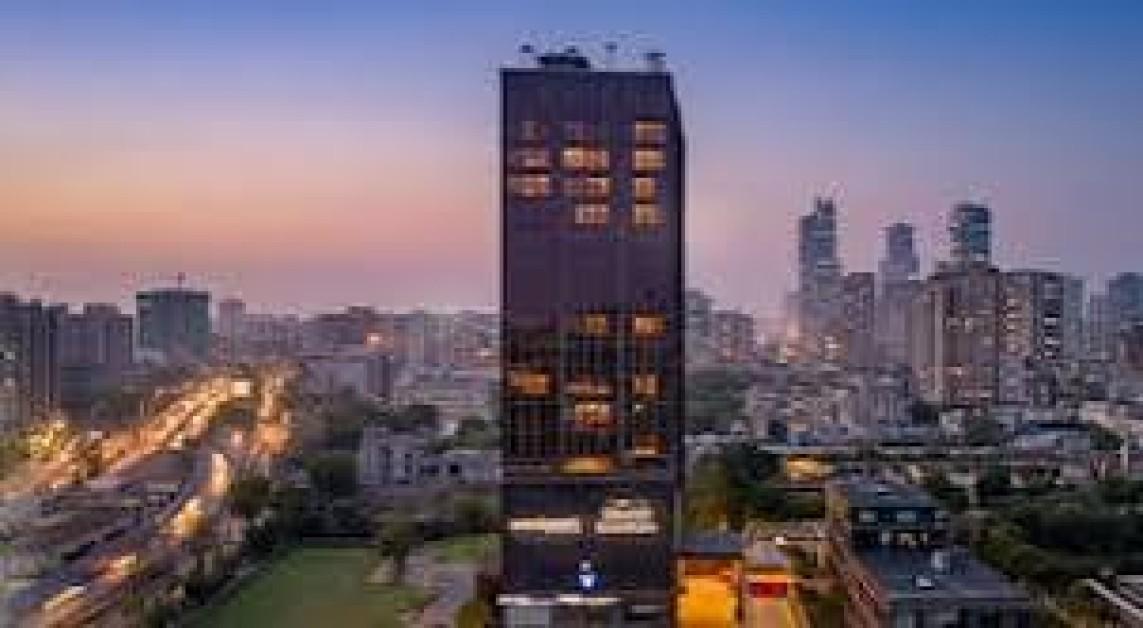
Ahmedabad Sees Five New Five-Star Hotels Under Construction Ahead of Global Sports Push
Ahmedabad's luxury hospitality market is entering a major expansion phase, with five new five-star hotels currently under construction as the city prepares for the 2030 Commonwealth Games and strengthens its long-term global sports ambitions. Development activity is accelerating across key commercial corridors, particularly around Sindhu Bhavan Road and the wider western Ahmedabad market. The new projects form part of a broader hospitality build-out as Ahmedabad expands accommodation, transport and sporting infrastructure to handle larger international events, business travel and tourism demand.
Five New Five-Star Hotels Expand Ahmedabad's Luxury Supply

The latest construction activity demonstrates how expectations surrounding major international events are beginning to influence private investment in Ahmedabad's hospitality sector.
Luxury Hotel Development Accelerates Across the City
Five new five-star hotel projects are currently under construction in Ahmedabad, adding to a broader pipeline of premium hospitality developments.
Several projects are concentrated around Sindhu Bhavan Road, one of the city's fastest-growing premium commercial and residential corridors.
The location has developed into an important destination for restaurants, offices, luxury retail and high-end residential development.
Growing corporate activity has strengthened the commercial case for premium hotels even before major sporting events arrive.
Other hospitality projects are emerging around strategic locations across the Ahmedabad-Gandhinagar urban region.
The expansion indicates that developers increasingly view Ahmedabad as a long-term luxury hospitality market rather than one dependent primarily on individual events.
Riverfront Development Adds Another Premium Hotel Project
Ahmedabad's Sabarmati Riverfront is also attracting hospitality development as the surrounding area undergoes a broader infrastructure transformation.
Plans include a multi-storey five-star hotel near the riverfront, adding premium accommodation close to one of the city's most prominent urban redevelopment projects.
The riverfront is expected to play a significant role in Ahmedabad's future sports and tourism strategy.
Large sections are being developed alongside sporting and recreational infrastructure as authorities prepare the city for major international events.
A luxury hotel in this location could benefit from both leisure demand and event-related travel.
The development also demonstrates how sports infrastructure investment can stimulate surrounding commercial real estate.
Commonwealth Games 2030 Drives Hospitality Investment
Ahmedabad's preparations for the 2030 Commonwealth Games have become one of the strongest catalysts for new hotel development.
City Needs Thousands of Additional Hotel Rooms
Ahmedabad and Gandhinagar currently have more than 5,400 rooms across the three-star to five-star hotel categories.
Plans call for approximately 3,000 additional rooms over the coming years, including around 1,500 in the five-star category.
Hospitality industry representatives believe significantly more accommodation could eventually be required as the scale of Ahmedabad's international events increases.
The Commonwealth Games will bring athletes, officials, media organisations, sponsors, spectators and international visitors to the city.
While dedicated athlete accommodation will handle participants, hotels will need to absorb much of the broader visitor demand.
Developers are therefore attempting to bring new properties into operation well before 2030.
Hotel Construction Needs Long Planning Timelines
Large luxury hotels cannot be developed quickly.
Projects require land acquisition, planning approvals, financing, construction, interior development, recruitment and operational preparation before accepting guests.
International hotel operators also need sufficient time to integrate new properties into their reservation and management systems.
This explains why hospitality investment is accelerating several years before the Commonwealth Games.
Developers that complete projects early can establish customer relationships and operating histories before event-related demand reaches its peak.
They can also benefit from Ahmedabad's existing corporate and leisure travel market rather than depending entirely on the Games.
Ahmedabad's 2036 Olympic Ambition Adds Long-Term Demand Expectations
The Commonwealth Games are only one component of Ahmedabad's broader sports strategy.
City Is Positioning for Potential 2036 Olympic Games
Ahmedabad is being positioned as the centrepiece of India's ambitions to host the 2036 Summer Olympics.
Hosting rights have not been awarded, and the international selection process remains ahead.
However, infrastructure planning across Gujarat is increasingly being designed with Olympic-scale requirements in mind.
This creates a longer investment horizon for hospitality developers.
Hotels constructed for the 2030 Commonwealth Games could remain strategically positioned if Ahmedabad eventually hosts the Olympics six years later.
Even without the Olympics, the infrastructure being created for the Commonwealth Games could allow the city to compete for additional international sporting events.
That possibility improves the long-term commercial rationale for new hotels.
International Events Could Transform Visitor Demand
Major sporting events can produce significant short-term increases in hotel occupancy.
Their larger economic impact can come from improving a city's international visibility and creating infrastructure capable of attracting future events.
Ahmedabad already hosts major cricket matches at Narendra Modi Stadium, including high-profile international fixtures.
Expanding the city's portfolio to include multi-sport competitions could diversify visitor demand.
International conferences, exhibitions, concerts and corporate events could also benefit from the same infrastructure.
The Gujarat government has indicated that it wants sporting facilities to remain commercially useful after major competitions rather than becoming underutilised assets.
Hospitality development is an important part of creating this broader event economy.
Nirma Group Plans Major Five-Star Hotel in Ahmedabad
The luxury hotel pipeline includes large projects from companies entering or expanding within the hospitality sector.
Proposed Nirma Hotel Could Have 555 Rooms
Ahmedabad-based Nirma Group has planned a major five-star hotel along the Sarkhej-Gandhinagar Highway.
The proposed upper-upscale property is expected to include approximately 555 rooms, making it a significant addition to the city's premium accommodation inventory.
The project represents a diversification move for Nirma, which has businesses spanning consumer products, chemicals, cement and healthcare.
The group has explored partnerships with established hotel operators for the development.
A project of this size demonstrates growing confidence in Ahmedabad's ability to generate sustained premium accommodation demand.
The hotel is expected to target completion ahead of the 2030 Commonwealth Games.
SG Highway Is Becoming a Major Hospitality Corridor
The Sarkhej-Gandhinagar Highway has developed into one of Ahmedabad's most important commercial corridors.
Corporate offices, residential developments, retail projects and entertainment facilities have expanded along and around the route.
This creates a natural customer base for hotels serving business travellers.
The corridor also provides connectivity across important parts of the Ahmedabad-Gandhinagar region.
As sporting and commercial infrastructure expands, hotels along these routes could serve multiple demand segments rather than depending on tourism alone.
Corporate travel is particularly valuable for hotels because it can generate weekday occupancy while leisure and event demand supports weekends and peak periods.
Global Hotel Brands Continue Expanding in Ahmedabad
International hotel groups are also strengthening their presence as they anticipate continued growth in the city.
Hyatt Adds Another Ahmedabad Property
Hyatt has announced a new Hyatt Place development in Ahmedabad's Nikol area.
The planned 140-room property expands the international hotel group's presence within the city.
While the property belongs to a different hospitality segment from the large five-star developments, its addition demonstrates broader confidence in Ahmedabad's accommodation market.
The project will include meeting and event facilities alongside rooms and dining services.
International operators typically expand through management or franchise arrangements with local property owners.
This model allows developers to access established reservation networks and brand recognition while global hotel companies expand without owning every property directly.
International Brands Could Benefit From Global Events
Major sporting events typically generate strong demand for internationally recognised hotel brands.
Athletes' families, corporate sponsors, media organisations and international visitors may prefer brands they already know.
This can improve the attractiveness of Ahmedabad for global hotel operators.
International events also provide hotels with an opportunity to introduce their properties to travellers who may return later for business or leisure.
However, adding substantial new supply creates competition.
Hotels entering the market must establish sustainable demand beyond the limited periods surrounding major sporting events.
Sports Infrastructure Is Transforming Ahmedabad's Real Estate Market
Hospitality development is occurring alongside substantial investment in sporting and urban infrastructure.
Sardar Vallabhbhai Patel Sports Enclave Anchors Development
The Sardar Vallabhbhai Patel Sports Enclave around Narendra Modi Stadium is expected to become the central hub for Ahmedabad's major sporting ambitions.
Plans include facilities for aquatics, tennis, indoor sports and athlete training alongside existing cricket infrastructure.
The development is intended to meet international competition standards while creating a long-term sports ecosystem.
Large infrastructure projects can influence surrounding property markets by improving roads, public transport and commercial activity.
Hotels are among the businesses most directly positioned to benefit.
Visitors attending events need accommodation close to venues, while sponsors and organising bodies require meeting and hospitality facilities.
This connection between sports infrastructure and hotel development is increasingly visible across Ahmedabad.
Transport Infrastructure Strengthens the Investment Case
Ahmedabad is simultaneously investing in airport, metro, road and regional transport infrastructure.
Improved connectivity increases the viability of large hotels by expanding the number of travellers who can reach the city conveniently.
The Mumbai-Ahmedabad high-speed rail project could eventually create another major connection between two important commercial centres.
Airport capacity expansion is also important because international sporting events can create sharp increases in passenger volumes.
For hotel investors, transport improvements have value beyond the Commonwealth Games.
Better connectivity can support business travel, exhibitions, tourism and corporate events for decades.
Luxury Hotel Expansion Could Create Thousands of Jobs
Hospitality investment has significant employment implications because hotels require large operating teams.
New Properties Need Diverse Workforces
Five-star hotels employ workers across front-office operations, housekeeping, food and beverage, culinary services, security, engineering, sales and event management.
Large properties can support hundreds of direct jobs.
Additional employment is created through suppliers providing food, laundry, transportation, technology, maintenance and other services.
As Ahmedabad adds thousands of hotel rooms, demand for trained hospitality professionals is likely to increase.
Industry groups have estimated that the broader development associated with the Commonwealth Games could generate tens of thousands of jobs across the city.
Preparing the workforce will require investment in hospitality training and skill development before new properties open.
Local Businesses Could Benefit From Visitor Spending
Hotels also generate economic activity beyond their own operations.
Visitors spend money at restaurants, shops, transport services and entertainment venues.
International sporting events can therefore distribute spending across a broad range of local businesses.
Higher tourist volumes could create opportunities for travel companies and cultural attractions.
The challenge is ensuring that visitor demand remains strong after major events conclude.
Developing Ahmedabad as a recurring destination for sports, conventions and business events could help sustain the economic benefits of the hospitality expansion.
Rapid Hotel Expansion Creates Investment Risks
The construction boom offers significant opportunities, but developers must carefully evaluate long-term demand.
Oversupply Could Pressure Hotel Economics
Building large numbers of rooms based primarily on future sporting events creates potential oversupply risk.
The Commonwealth Games will generate exceptional demand for a limited period.
Hotels, however, are long-term assets expected to operate for decades.
Developers therefore need sufficient business, leisure and event demand during ordinary years.
If room supply grows faster than visitor numbers, occupancy and average room rates could come under pressure.
This makes location and brand positioning particularly important.
Properties capable of attracting corporate travellers, weddings, conferences and domestic tourists could be better positioned after the Games.
Long-Term Event Strategy Will Be Critical
Ahmedabad's hospitality expansion becomes more sustainable if the city develops a continuous pipeline of major events.
The government has discussed strategies involving concerts, exhibitions and other large gatherings alongside sporting competitions.
This approach could allow new stadiums and hotels to generate activity throughout the year.
Ahmedabad already has advantages including a large corporate economy and major sporting venues.
Combining these with stronger convention, entertainment and tourism offerings could deepen the hospitality market.
The success of current hotel investment will therefore depend partly on how effectively Ahmedabad converts major sports infrastructure into a permanent event economy.
Conclusion
Ahmedabad's five new five-star hotels under construction demonstrate how the city's global sports ambitions are beginning to reshape its hospitality and real-estate markets. Preparations for the 2030 Commonwealth Games are creating immediate demand for additional premium accommodation, while India's interest in potentially hosting the 2036 Olympics is encouraging developers to think beyond a single event.
The expansion is supported by wider investments in sports venues, transport, commercial districts and urban infrastructure.
For hotel developers, the opportunity extends beyond temporary event demand if Ahmedabad can establish itself as a recurring destination for international sports, conferences, exhibitions and business travel. The long-term success of the current luxury hotel boom will ultimately depend on converting major infrastructure investment into sustained visitor growth.
 Ahmedabad Adds Five-Star Hotels Ahead of Global Sports Push FAQs
POST A COMMENT (0)
All Comments (0)
Replies (0)