




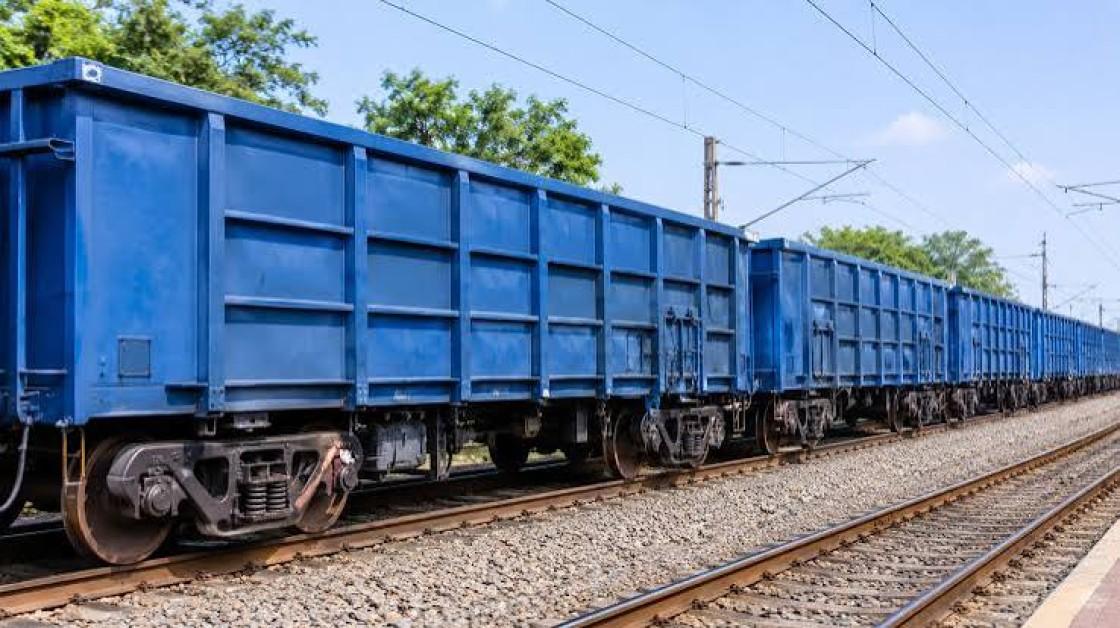
Texmaco Rail Wins ₹362.85 Crore Railway Wagon Manufacturing Contract
Texmaco Rail & Engineering Limited has secured a domestic order worth ₹362.85 crore from IVC Logistics Limited for the manufacturing and supply of 464 railway wagons, strengthening the company's order pipeline in India's freight rolling stock industry.
The Kolkata-headquartered railway equipment manufacturer disclosed the contract to the National Stock Exchange and BSE on November 14, 2026, under Regulation 30 of the SEBI Listing Obligations and Disclosure Requirements Regulations.
The order covers two categories of railway rolling stock: Auto Car Taller (ACT 3) wagons and Brake Van (BVCM) wagons.
According to the regulatory filing, the contract will be executed according to a mutually agreed schedule between Texmaco Rail and IVC Logistics.
The total contract value of ₹362.85 crore includes applicable taxes.
The company confirmed that the order was awarded by a domestic entity and does not constitute a related-party transaction.
The latest contract adds to Texmaco Rail's railway manufacturing business at a time when freight transportation, logistics infrastructure and specialised railway rolling stock remain important areas of investment in India.
Texmaco Rail–IVC Logistics Order: Key Details

The newly announced contract involves the manufacturing and supply of 464 railway wagons for IVC Logistics Limited.
|
Particulars |
Details |
|---|---|
|
Company |
Texmaco Rail & Engineering Limited |
|
Customer |
IVC Logistics Limited |
|
Order value |
₹362.85 crore |
|
Order value rounded |
₹363 crore |
|
Number of wagons |
464 |
|
Wagon categories |
ACT 3 and BVCM |
|
Contract type |
Manufacturing and supply |
|
Order classification |
Domestic |
|
Execution period |
Mutually agreed schedule |
|
Includes taxes |
Yes |
|
Related-party transaction |
No |
|
Disclosure date |
November 14, 2026 |
|
Stock exchange symbols |
NSE: TEXRAIL, BSE: 533326 |
The company has not disclosed the individual quantities of ACT 3 and BVCM wagons included in the contract.
It has also not announced a fixed delivery deadline or a detailed manufacturing schedule.
These details are important because the timing of production and delivery will determine when the contract contributes to revenue.
What Types of Railway Wagons Will Texmaco Rail Manufacture?
The IVC Logistics contract includes two categories of rolling stock designed for different railway transportation requirements.
Auto Car Taller ACT 3 Wagons
ACT 3 wagons are specialised railway wagons associated with the transportation of automobiles.
Automobile-carrying railway wagons are designed to transport vehicles over long distances while making efficient use of railway loading capacity.
Such wagons are relevant to automotive manufacturers and logistics companies seeking alternatives to road transportation for large-volume vehicle movements.
Rail transportation can offer advantages for high-volume automobile distribution, particularly over long distances and established freight corridors.
Specialised wagon designs also support safer loading, transportation and unloading of vehicles.
The ACT 3 wagons included in Texmaco Rail's order indicate a focus on specialised freight rolling stock rather than conventional bulk commodity wagons alone.
BVCM Brake Van Wagons
Brake vans are railway vehicles used in freight train operations for functions associated with train-end operations, monitoring and safety requirements.
The BVCM category forms part of the rolling stock specified in the IVC Logistics contract.
The exact technical specifications, equipment configuration and operational requirements for the ordered BVCM wagons have not been detailed in the public disclosure.
The inclusion of both wagon categories demonstrates the contract's specialised manufacturing requirements.
Why the ₹363 Crore Order Matters for Texmaco Rail
The contract represents an additional business opportunity for Texmaco Rail's freight rolling stock manufacturing operations.
Railway wagon manufacturing requires engineering capabilities, production infrastructure, material procurement, quality control and compliance with applicable railway standards.
Large wagon orders can support production planning and provide revenue visibility over the contract execution period.
However, the financial contribution of the IVC Logistics order will depend on manufacturing progress, deliveries, customer acceptance and contractual payment terms.
Strengthening the Order Pipeline
The order adds ₹362.85 crore in gross contract value to Texmaco Rail's announced business pipeline.
Because the reported value includes taxes, it should not be treated as an equivalent amount of future accounting revenue.
Revenue will be recognised according to applicable accounting standards and the terms of the contract.
The company's ability to execute the order efficiently will determine its eventual contribution to operating performance.
Supporting Manufacturing Capacity Utilisation
Large railway wagon contracts can help manufacturers plan the utilisation of production facilities, equipment and workforce resources.
Consistent order inflows may support manufacturing efficiency by providing a clearer production pipeline.
Nevertheless, the extent of the benefit depends on the company's existing capacity, order backlog, production schedules and availability of raw materials.
Texmaco Rail has not disclosed whether the IVC Logistics contract will require additional manufacturing capacity or capital expenditure.
Texmaco Rail's Recent Railway Order Wins
The IVC Logistics contract follows other railway and infrastructure orders announced by Texmaco Rail during 2026.
The company has secured business across railway wagon manufacturing, signalling, railway infrastructure and related engineering activities.
On November 5, 2026, Texmaco Rail disclosed orders worth approximately ₹428.55 crore from three customers.
Earlier in the year, the company also announced contracts involving railway equipment and infrastructure projects.
Selected 2026 Order Announcements
|
Order announcement |
Reported value |
|---|---|
|
IVC Logistics wagon manufacturing order |
₹362.85 crore |
|
Orders from three customers, November 5 |
₹428.55 crore |
|
JSW Group wagon and rake order |
₹357.11 crore |
|
Southern Railway interlocking contract |
₹187.28 crore |
|
Kochi Metro ballastless track project |
₹130.22 crore |
|
Central Warehousing Corporation order |
₹70.72 crore |
These orders reflect Texmaco Rail's participation in different segments of railway manufacturing and infrastructure.
The values are drawn from separate announcements and may differ in tax treatment, execution schedules and contract structure.
They should not be added together to calculate the company's current outstanding order book without adjusting for completed work, revenue recognition and other contractual developments.
Texmaco Rail's Position in India's Railway Manufacturing Industry
Texmaco Rail & Engineering Limited is an established Indian railway engineering and manufacturing company.
Its operations include freight wagon manufacturing, railway components, railway infrastructure and engineering services.
The company supplies products and services to customers across the railway, industrial and logistics sectors.
Its manufacturing activities are particularly relevant to the transportation of bulk commodities, automobiles and other freight.
Major Business Areas
Freight wagon manufacturing
Texmaco Rail manufactures railway wagons designed for different cargo categories and transportation requirements.
Railway components
The company participates in the production and supply of components used in railway rolling stock.
Railway infrastructure
Its engineering activities include railway track-related projects and associated infrastructure development.
Signalling and electrical systems
Texmaco Rail also participates in projects involving railway signalling, electrification and related systems.
This business diversification allows the company to pursue opportunities beyond conventional wagon manufacturing.
However, performance across these segments depends on project execution, customer spending and competitive conditions.
IVC Logistics Order Highlights Demand for Specialised Railway Freight Equipment
The contract is notable because it involves specialised railway wagons rather than only conventional bulk freight rolling stock.
India's freight transportation network supports industries such as automobiles, steel, cement, coal, agriculture and manufacturing.
Different cargo categories require different transportation arrangements.
Automobile logistics, for example, involves the movement of finished vehicles from manufacturing plants to distribution centres and regional markets.
Specialised railway wagons can help logistics operators transport multiple vehicles through organised rail-based distribution systems.
Why Rail Freight Matters for Automobile Logistics
India's automotive industry operates across manufacturing clusters and large consumer markets.
Finished vehicles frequently need to travel substantial distances before reaching dealerships and customers.
Rail freight can support this distribution network by providing high-volume transportation capacity.
Potential advantages include reduced dependence on long-distance road transport, improved capacity for bulk vehicle movement and greater integration with multimodal logistics networks.
However, the commercial attractiveness of railway transportation depends on loading facilities, route availability, freight rates, transit times and last-mile delivery requirements.
The IVC Logistics order indicates investment in specialised railway rolling stock, although the company has not disclosed the specific routes or end customers for which the wagons will be deployed.
India's Railway Freight Infrastructure Creates Manufacturing Opportunities
India continues to invest in railway infrastructure to improve transportation capacity, network efficiency and logistics connectivity.
Freight transportation is an important part of the railway system because it supports the movement of raw materials and finished goods across the country.
Infrastructure improvements can create opportunities for wagon manufacturers and railway engineering companies.
Dedicated Freight Corridors
India's Dedicated Freight Corridor programme is designed to improve the movement of freight trains on selected high-capacity routes.
By separating substantial freight traffic from conventional mixed-use railway routes, dedicated corridors can support more efficient cargo movement.
The benefits for logistics operators depend on connectivity, terminal infrastructure and access to suitable rolling stock.
Industrial and Manufacturing Growth
Industries such as steel, cement, automobiles and energy rely on transportation networks for the movement of materials and finished products.
Growth in industrial production can create demand for additional freight transportation capacity.
Multimodal Logistics Development
India's logistics infrastructure increasingly connects railway networks with roads, ports, warehouses and industrial facilities.
This creates opportunities for specialised rolling stock and associated railway equipment.
Private-Sector Participation
Private logistics companies and industrial customers can invest in railway wagons to support their transportation requirements.
Such demand provides an additional market for wagon manufacturers alongside orders from Indian Railways and other government entities.
The Texmaco Rail–IVC Logistics contract is an example of a domestic private-sector order in this market.
How Will the Contract Affect Texmaco Rail's Revenue?
The ₹362.85 crore order provides a potential source of revenue as the company manufactures and supplies the wagons.
However, the contract value should not be interpreted as immediate revenue or profit.
The company's financial statements will reflect revenue according to the applicable accounting treatment and progress under the contract.
Key Factors Affecting Revenue Recognition
Manufacturing progress
The pace of production will influence the timing of deliveries and revenue recognition.
Delivery schedule
The company has stated that execution will follow a mutually agreed timeline, without specifying a fixed completion date.
Customer acceptance
Contractual inspection and acceptance requirements may affect the timing of delivery milestones.
Raw material availability
Steel and other manufacturing inputs are important to railway wagon production.
Operating costs
The final profitability of the order will depend on production costs, labour, overheads and other contractual expenses.
The company has not disclosed the expected profit margin associated with the IVC Logistics contract.
Consequently, any estimate of earnings contribution would require assumptions that are not supported by the announced order details.
Texmaco Rail Share Price in Focus Following Order Announcement
Texmaco Rail shares are likely to attract investor attention following the announcement of the ₹362.85 crore contract.
The company disclosed the order on Saturday, November 14, 2026, making the subsequent trading session relevant for assessing investor response.
Order wins can influence expectations for future revenue and manufacturing activity, particularly for engineering and capital goods companies.
However, the share price impact depends on the size of the order relative to the company's existing business, execution visibility and prevailing market conditions.
What Investors Will Monitor
Investors are expected to focus on the company's outstanding order book, wagon manufacturing capacity, delivery schedules and profitability.
The conversion of announced orders into revenue will remain particularly important.
Investors may also examine whether new orders improve manufacturing capacity utilisation and support operating margins.
The company's working capital requirements, customer payment terms and raw material costs will be relevant to evaluating cash flow performance.
A new contract can strengthen business visibility without necessarily producing an immediate improvement in earnings.
Competition in India's Railway Wagon Manufacturing Sector
India's railway wagon manufacturing industry includes established engineering companies competing for orders from Indian Railways, industrial customers and private logistics operators.
Manufacturers compete on several factors, including production capacity, technical capabilities, delivery reliability, pricing and compliance with railway specifications.
Specialised wagon manufacturing can require additional engineering expertise because different cargo categories have distinct loading, safety and operating requirements.
Important Competitive Factors
Manufacturing efficiency is critical because railway wagon contracts can involve substantial material and production costs.
Quality assurance is also essential, given the safety and durability requirements associated with railway rolling stock.
Companies must manage procurement, manufacturing schedules and customer inspections while maintaining cost discipline.
The ability to manufacture different types of wagons can provide access to a broader range of customers.
Texmaco Rail's latest order demonstrates its participation in specialised rolling stock categories, although the contract alone does not establish a change in the company's competitive position.
Key Risks Associated With the New Wagon Order
Despite the positive addition to its order pipeline, the contract involves normal manufacturing and execution risks.
Execution Timeline Risk
The company has not disclosed a fixed completion deadline.
The timing of deliveries and revenue recognition will depend on the mutually agreed schedule.
Raw Material Price Risk
Railway wagon manufacturing requires significant quantities of steel and other industrial materials.
Changes in input costs can influence profitability, depending on contractual pricing arrangements.
Manufacturing Risk
Production delays, equipment availability and quality requirements can affect delivery schedules.
Working Capital Risk
Large manufacturing contracts may require expenditure on materials and production before customer payments are received.
The cash flow impact depends on advances, milestone payments and other contractual terms.
Customer Concentration Risk
Large orders from individual customers can create exposure to changes in customer requirements or delivery schedules.
These factors will influence the eventual financial contribution of the IVC Logistics order.
What Happens Next for Texmaco Rail?
The next stage will involve execution of the manufacturing and supply contract.
Texmaco Rail and IVC Logistics will operate according to their mutually agreed schedule.
The company has not disclosed the expected start of production, the number of wagons to be delivered in individual batches or the final delivery date.
Further information may emerge through subsequent corporate disclosures and financial results.
Investors will also monitor the company's ability to secure additional orders across wagon manufacturing and railway infrastructure.
For Texmaco Rail, maintaining a steady flow of contracts while executing existing orders efficiently will remain important to its operating performance.
The latest order reinforces the company's participation in India's freight rolling stock manufacturing market.
Conclusion
Texmaco Rail & Engineering Limited's ₹362.85 crore order from IVC Logistics Limited represents a significant addition to its domestic railway wagon manufacturing business.
The contract covers the manufacturing and supply of 464 railway wagons, including ACT 3 automobile-carrying wagons and BVCM brake van wagons.
Announced on November 14, 2026, the order will be executed according to a mutually agreed schedule, with no fixed completion deadline disclosed.
The contract adds to Texmaco Rail's recent order wins across railway manufacturing and infrastructure projects.
It also highlights continued demand for specialised freight rolling stock from private logistics operators.
For the company, the financial benefits will depend on efficient manufacturing, timely deliveries, cost management and successful revenue conversion.
For India's railway industry, the order illustrates the role of domestic manufacturers in supplying specialised equipment for freight transportation.
The development strengthens Texmaco Rail's announced business pipeline while keeping attention on its ability to translate orders into sustainable revenue, profitability and cash flow.
 Texmaco Rail Wins ₹363 Crore IVC Logistics Order for 464 Railway Wagons FAQs

POST A COMMENT (0)
All Comments (0)
Replies (0)