





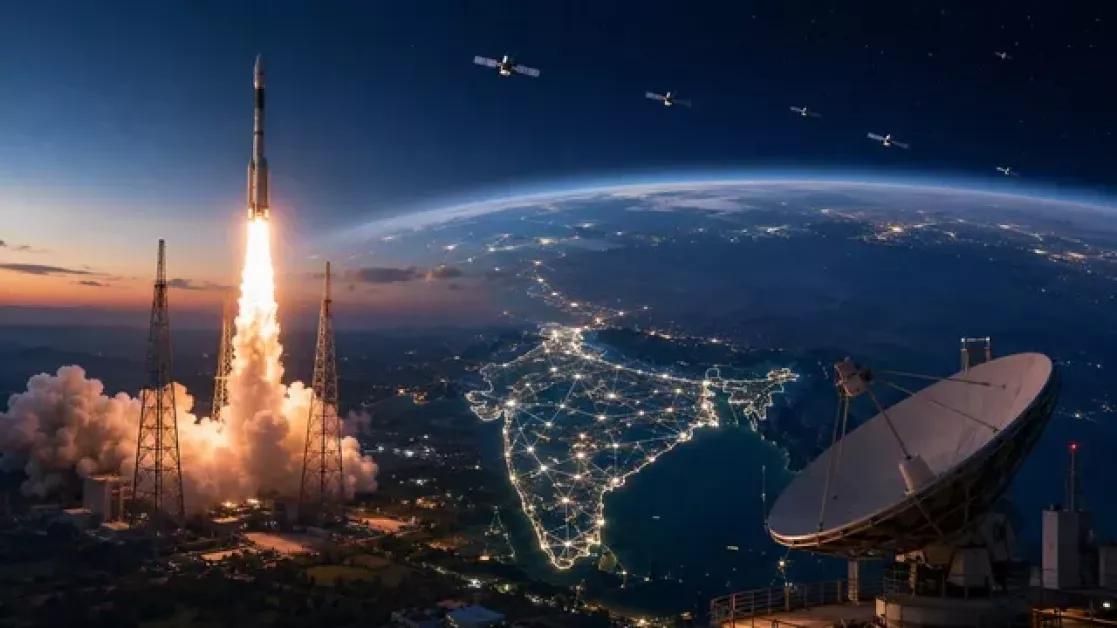
Skyroot Aerospace's Vikram-1 Mission: A Major Milestone for India's Private Space Industry
India's private space industry is entering a new era with Skyroot Aerospace preparing for the Vikram-1 mission, a significant step toward commercial satellite launch capabilities. The mission represents one of the most important developments in India's rapidly growing space startup ecosystem and demonstrates how private companies are becoming increasingly involved in space exploration and commercial launch services.
The Vikram-1 mission highlights India's ambition to become a major player in the global commercial space market while complementing the country's established government-led space program.
Why the Vikram-1 Mission Matters

The Vikram-1 mission represents much more than the launch of a rocket. It reflects the growing maturity of India's private aerospace sector and the government's efforts to encourage private participation in space activities.
The mission is expected to:
- Strengthen India's commercial launch capabilities
- Boost the domestic space startup ecosystem
- Increase investor confidence
- Support satellite deployment services
- Encourage technological innovation
- Expand India's role in the global space economy
Successful execution could position India as a more competitive destination for commercial satellite launches.
About Vikram-1
Vikram-1 is a privately developed orbital launch vehicle designed to carry small satellites into orbit.
Its primary objectives include:
- Launching commercial satellites
- Supporting scientific missions
- Serving domestic and international customers
- Providing cost-effective launch services
- Expanding India's private launch infrastructure
The vehicle has been designed with modern engineering technologies aimed at improving launch efficiency and operational flexibility.
How the Mission Supports India's Space Industry
Growth of Private Space Companies
The success of Vikram-1 would demonstrate that Indian private companies can independently develop sophisticated launch systems capable of serving commercial customers.
Increased Competition
Private launch providers can increase competition, encouraging innovation, improved efficiency, and more affordable launch services.
Expansion of the Space Economy
Commercial launch capabilities create opportunities across manufacturing, software, satellite development, telecommunications, earth observation, and downstream space services.
Technology Development
The mission supports advancements in propulsion systems, materials engineering, avionics, launch operations, and aerospace manufacturing.
Business Impact
Commercial Satellite Launch Services
Growing demand for small satellite launches creates new revenue opportunities for Indian launch providers serving customers worldwide.
Startup Ecosystem
A successful mission could encourage additional investment in space technology startups working on launch vehicles, satellites, propulsion systems, robotics, and space applications.
Employment Opportunities
Expansion of the private space sector may generate high-skilled jobs in aerospace engineering, manufacturing, software development, electronics, testing, and mission operations.
Supply Chain Development
Growth in commercial launch activities can benefit suppliers involved in precision manufacturing, advanced materials, electronics, propulsion components, and testing equipment.
International Partnerships
Private launch capability enhances opportunities for partnerships with global satellite operators, research institutions, and commercial aerospace companies.
Industries That Could Benefit
Several industries may benefit from the continued growth of India's private space ecosystem, including:
- Aerospace Manufacturing
- Satellite Technology
- Telecommunications
- Earth Observation
- Defense Technology
- Navigation Services
- Semiconductor Manufacturing
- Artificial Intelligence
- Robotics
- Advanced Materials
- Electronics Manufacturing
- Space Research
Opportunities for Investors
The expansion of India's commercial space sector could create opportunities in:
- Space startups
- Satellite manufacturing
- Launch services
- Space infrastructure
- Aerospace engineering
- Communication technologies
- Data analytics
- Space-based applications
Growing government support and increasing private investment continue to strengthen confidence in India's emerging space economy.
Challenges Ahead
Despite its potential, the private space industry faces several challenges.
Technical Complexity
Rocket development requires extensive engineering, testing, and quality assurance to ensure mission success.
Capital Requirements
Developing launch vehicles and supporting infrastructure involves significant long-term investment.
Regulatory Compliance
Commercial launch providers must meet national and international regulatory requirements for licensing, safety, and operations.
Global Competition
Indian companies compete with established international launch providers that already serve commercial satellite markets.
Future Outlook
India's private space sector is expected to expand rapidly over the coming years as demand for satellite launches, earth observation, communication services, and space-based technologies continues to grow. Missions such as Vikram-1 demonstrate the increasing capabilities of Indian aerospace startups and their potential to contribute to the country's long-term space ambitions.
Continued collaboration between government agencies, private companies, investors, research institutions, and technology partners could accelerate innovation and strengthen India's position in the global commercial space industry.
Conclusion
Skyroot Aerospace's Vikram-1 mission represents an important milestone for India's private space industry and the country's expanding commercial space ecosystem. By demonstrating indigenous launch capabilities, encouraging innovation, attracting investment, and supporting satellite deployment services, the mission has the potential to strengthen India's position in the global space economy. As the private aerospace sector continues to evolve, initiatives like Vikram-1 are expected to play a key role in shaping the future of India's space industry.
 Skyroot Aerospace's Vikram-1 Mission: Updates, India's Private Space Milestone, and Business Impact FAQs
POST A COMMENT (0)
All Comments (0)
Replies (0)