





PM Modi Warns Pakistan: No Tolerance for
Terrorism, Indus Waters Treaty Suspension
Reaffirmed
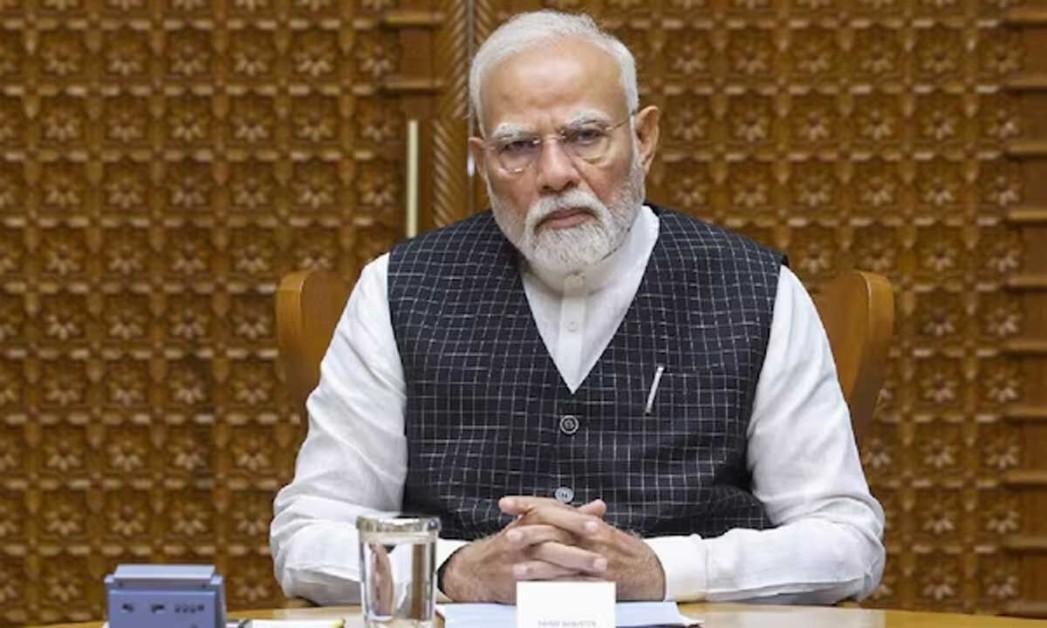
Prime Minister Narendra Modi has delivered one of his strongest warnings yet to Pakistan, making it clear that India will not tolerate terrorism in any form and will respond decisively to any future attacks. Speaking at a high-profile national security event, Modi rejected what he called Pakistan’s “nuclear blackmail” and declared a “new normal” in India’s approach toward its western neighbor—one that makes no distinction between terrorists and their state sponsors.
A “New Normal” in India–Pakistan Policy
In his address, Modi outlined a shift in India’s counter-terrorism strategy, stating that deterrence through decisive action will be the guiding principle moving forward. This “new normal” involves:
-
Zero distinction between terrorist organizations and the state actors that harbor, finance, or otherwise support them.
-
Swift punitive measures against any aggression or terror-related activity targeting India.
-
Diplomatic isolation of Pakistan at international forums.
-
The continuation of water resource measures, including the suspension of the Indus Waters Treaty provisions.
Indus Waters Treaty: A Strategic Lever
The Prime Minister’s reaffirmation of the Indus Waters Treaty suspension sends a powerful signal. Originally signed in 1960 with World Bank mediation, the treaty governs the distribution of water from the Indus River system between India and Pakistan.
Following multiple terrorist attacks on Indian soil allegedly backed by elements within Pakistan, India has taken steps to restrict water flow to its neighbor within permissible bounds under international law. Modi emphasized that national security interests will now take precedence over previous goodwill-based arrangements.
Rejection of Nuclear Blackmail
Modi’s remarks also directly countered Pakistan’s repeated references to its nuclear arsenal as a deterrent against Indian military action. “India will not be held hostage to the threat of nuclear escalation,” he stated, underlining that India’s security and sovereignty will be protected by all means necessary.
Defence analysts interpret this as a clear signal that India is prepared to act militarily when provoked, regardless of Pakistan’s nuclear rhetoric.
Strong Domestic and International Messaging
The statement comes amid heightened regional tensions and serves as both a domestic assurance to Indian citizens and a strategic message to the global community. Domestically, it reinforces Modi’s image as a leader committed to national security and assertive foreign policy. Internationally, it positions India as a nation unwilling to compromise on core security issues while continuing to seek peace through strength.
Political and Public Reaction
The announcement has drawn support across political lines, with many opposition leaders echoing the government’s position on Pakistan’s role in fostering terrorism. On social media, hashtags such as #NoMoreTerror and #NewNormal began trending within hours of the speech.
However, some foreign policy experts have urged caution, noting that escalatory rhetoric can heighten tensions in an already volatile region. They advise a balanced approach that keeps diplomatic channels open while maintaining robust deterrence.
Looking Ahead
The firm stance marks a continuation of India’s evolving security doctrine, which has in recent years seen cross-border strikes, surgical operations, and a tightening of diplomatic measures. The reaffirmation of the Indus Waters Treaty suspension further expands India’s toolkit for non-military pressure.
As Pakistan grapples with its own political and economic instability, the onus now lies on Islamabad to demonstrate tangible action against terror groups operating from its soil. For India, the message is unambiguous—national security is non-negotiable.
 Related News
POST A COMMENT (0)
All Comments (0)
Replies (0)