





India’s diplomatic outreach took centre stage this week as New Delhi announced a dual initiative that underscores both compassion and strategic foresight. In a series of moves that reflect its growing role as a global partner, India extended urgent humanitarian assistance to Jamaica and Cuba following devastating hurricane damage, while simultaneously strengthening defence cooperation with Israel through a landmark policy alignment pact.
The dual actions demonstrate India’s evolving international identity — one that balances moral responsibility with strategic pragmatism. As hurricanes ravaged parts of the Caribbean, leaving extensive damage across Jamaica and Cuba, India’s rapid response through its humanitarian and disaster-relief channels reaffirmed its commitment to supporting vulnerable nations in times of crisis. In parallel, the defence pact with Israel signals New Delhi’s intent to deepen security ties and ensure regional and global stability amid shifting geopolitical currents.
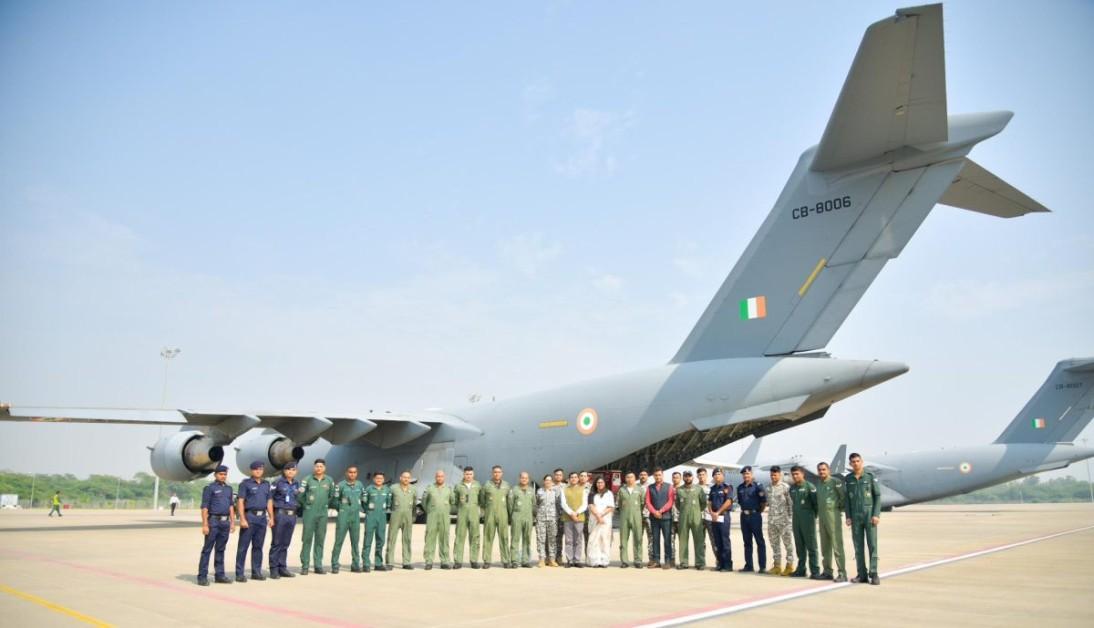
India’s External Affairs Ministry confirmed that the humanitarian assistance to Jamaica and Cuba included emergency medical kits, shelter materials, food supplies, and restoration equipment for electricity and communications. The relief shipment, coordinated through India’s Ministry of External Affairs and the Indian Navy, was dispatched under the framework of the India for Humanity initiative, a policy designed to deliver aid to disaster-struck nations swiftly. The two Caribbean nations expressed gratitude for India’s timely support, emphasizing that the aid reflects the strength of South-South solidarity in an era of mounting climate challenges.
In both Jamaica and Cuba, the hurricane had inflicted severe damage to critical infrastructure, including hospitals, schools, and transportation networks. Thousands were displaced, and access to clean water and electricity was disrupted. India’s relief effort — combining government assistance with contributions from private enterprises and diaspora organizations — highlighted the country’s capacity to mobilize global humanitarian outreach efficiently. This gesture, though humanitarian in intent, also reinforces India’s soft power and diplomatic credibility across Latin America and the Caribbean, regions where it has been steadily increasing engagement over the past decade.
Meanwhile, in a parallel development, India’s signing of a new defence-cooperation pact with Israel represents a significant milestone in bilateral relations. The agreement is aimed at strengthening joint defence production, technology exchange, intelligence cooperation, and cybersecurity capabilities. This accord comes as both nations seek to align their defence strategies amid growing security concerns in West Asia and beyond.
India and Israel share a long history of defence collaboration, particularly in areas such as drone technology, missile systems, and border surveillance. The new pact formalizes a more structured framework for policy alignment, enabling both countries to coordinate defence research and industry initiatives. The deal is expected to foster co-development of advanced systems, facilitate greater information sharing, and streamline joint training and exercises for their respective armed forces.
Officials from both nations underscored that the partnership will also extend to counterterrorism operations and emerging domains such as artificial intelligence in warfare, quantum computing for defence, and maritime security. Israel’s technological prowess and India’s expansive industrial base are seen as complementary strengths in this evolving strategic partnership. For India, this pact not only reinforces its defence modernization drive but also enhances its standing as a responsible and capable player in the global security architecture.
The diplomatic implications of these two developments are profound. On one hand, India’s humanitarian engagement in the Caribbean sends a clear message about its global empathy and proactive disaster-relief capabilities. On the other, its strengthening of defence ties with Israel underscores a pragmatic shift towards enhancing hard power to safeguard national interests and regional stability. Together, they paint a portrait of India as a multidimensional global actor — one that can balance compassion with calculated strategic action.
Analysts note that India’s twin initiatives reflect a larger foreign policy pattern that has emerged under recent leadership — a blend of Vasudhaiva Kutumbakam (the world is one family) philosophy with assertive diplomacy aimed at protecting long-term interests. The aid to hurricane-hit Caribbean nations showcases India’s willingness to lead in global disaster response efforts, while the defence pact with Israel highlights its capacity to navigate complex alliances with precision and intent.
The humanitarian outreach also aligns with India’s expanding partnerships under the Global South framework. By providing timely assistance to smaller developing nations, India strengthens solidarity among emerging economies while building goodwill that could translate into stronger political and economic partnerships in international forums such as the United Nations and G77.
Meanwhile, the strategic engagement with Israel solidifies India’s place within a rapidly changing Middle Eastern landscape. With Israel emerging as one of India’s key defence suppliers and technological collaborators, the latest pact ensures continued synergy at a time when both nations face shared security challenges. This cooperation may also pave the way for broader trilateral or multilateral collaborations involving partners in Europe and the Indo-Pacific.
Beyond policy symbolism, these actions also have tangible outcomes. The humanitarian mission helps establish India as a dependable first responder in the Global South, while the defence agreement promises to boost indigenous manufacturing and innovation under the “Atmanirbhar Bharat” initiative. For India, both actions serve the long-term objective of enhancing global trust, projecting reliability, and positioning itself as a nation capable of leading through both empathy and strength.
In essence, India’s moves this week encapsulate a modern diplomatic doctrine that merges strategic ambition with moral stewardship. Whether through extending a helping hand to hurricane-affected communities or forging defence ties with a key partner in the Middle East, New Delhi’s message is unmistakable — it aims to be a pillar of stability, innovation, and compassion in an increasingly turbulent global order.
As the world watches, India’s blend of humanitarian outreach and strategic assertiveness offers a glimpse into the kind of leadership that balances ethics with engagement, empathy with efficiency, and friendship with foresight. The week’s developments serve as a reminder that diplomacy, at its best, is not just about negotiation tables and treaties — it is about humanity, partnership, and shared responsibility in shaping a safer, more resilient world.
 Related News
POST A COMMENT (0)
All Comments (0)
Replies (0)