




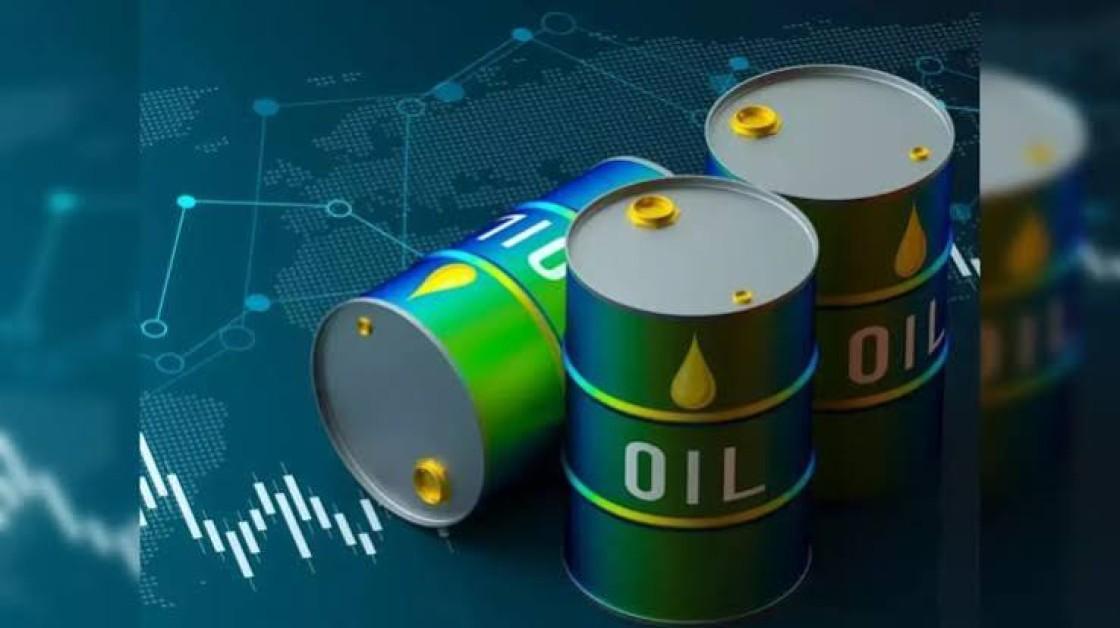
Crude Oil Prices Fall as Global Supply Outlook Shifts Toward Surplus
Global crude oil prices declined on Monday, November 16, 2026, as expectations of an emerging supply surplus weighed on energy markets, with recovering Middle East exports and easing transportation restrictions raising the prospect of greater oil availability.
Brent crude futures fell 47 cents, or 0.49%, to $95.37 per barrel in early trading, while US West Texas Intermediate (WTI) crude declined 23 cents, or 0.26%, to $88.33 per barrel.
The decline followed substantial losses in the previous week, when Brent and WTI fell approximately 16% and 13%, respectively.
The latest weakness reflects a shift in market expectations after the International Energy Agency (IEA) forecast that global oil supply would exceed demand during the fourth quarter of 2026.
The agency expects a surplus of approximately 1.7 million barrels per day during the October–December quarter, reversing its earlier assessment of a supply deficit.
The revised outlook comes as crude shipments from the Middle East recover following months of disruption associated with the conflict involving Iran.
Oil exports through the Strait of Hormuz have increased, easing some of the supply constraints that previously supported elevated crude prices.
However, geopolitical risks remain significant, and high tanker freight rates continue to affect global petroleum transportation.
The combination of recovering crude supplies, uncertain demand and persistent shipping risks is creating a complex environment for energy markets.
Crude Oil Prices on November 16, 2026

Brent crude futures
$95.37 / barrel
0.49% ($0.47)
WTI crude futures
$88.33 / barrel
0.26% ($0.23)
|
Market indicator |
Latest reported figure |
|---|---|
|
Brent weekly decline |
Approximately 16% |
|
WTI weekly decline |
Approximately 13% |
|
Forecast Q4 2026 oil surplus |
1.7 million barrels/day |
|
October global oil production |
105.4 million barrels/day |
|
October production increase |
2.3 million barrels/day |
|
IEA forecast 2026 oil demand |
102.3 million barrels/day |
The figures highlight how the global market is adjusting from a period of severe supply disruption toward expectations of improving crude availability.
IEA Forecasts Global Oil Supply Surplus in Fourth Quarter
The International Energy Agency's November 2026 Oil Market Report, published on November 13, identified a significant change in the global supply-demand balance.
The agency expects worldwide oil supply to exceed consumption during the final quarter of the year.
The projected surplus of 1.7 million barrels per day contrasts with earlier expectations that disruptions in the Middle East would continue to create a shortage.
Why the Forecast Changed
The IEA revised its outlook after oil production and exports recovered more rapidly than anticipated.
Global oil supply increased by 2.3 million barrels per day in October to approximately 105.4 million barrels per day.
This followed an increase of about 3 million barrels per day in September.
Together, the two months recorded a substantial recovery in global production.
The increase was supported by stronger Middle East exports, even as security risks continued to affect shipping and energy infrastructure.
Global Oil Supply Recovery
IEA-reported monthly production increases, million barrels per day.

The recovery has changed expectations about the availability of crude oil during the final months of 2026.
However, a projected surplus does not mean that all regional petroleum markets have adequate supplies.
Refined products, particularly diesel, remain subject to separate supply constraints.
Strait of Hormuz Shipments Recover After Months of Disruption
The recovery in shipments through the Strait of Hormuz is one of the most important factors influencing crude oil prices.
The waterway connects the Persian Gulf with international shipping routes and is a major corridor for global petroleum exports.
Disruptions to shipping during the conflict involving Iran significantly affected oil flows and contributed to higher energy prices.
Recent improvements in export activity have helped ease some of those pressures.
Middle East Export Recovery
The IEA reported that Gulf crude exports reached approximately 15 million barrels per day in October.
This represented around 82% of pre-war crude export volumes.
The broader recovery in Gulf oil shipments has increased the amount of crude available to international buyers.
As exports recover, markets are reassessing the risk of persistent supply shortages.
Why the Strait of Hormuz Matters
The Strait of Hormuz is particularly important for countries importing crude from the Middle East.
Any prolonged disruption can affect shipping availability, freight costs and energy security.
Even when crude production remains available, transportation restrictions can limit how quickly oil reaches importing countries.
The recent recovery has reduced some of these constraints, although maritime security remains uncertain.
Oil Prices Retreat After Sharp October Rally
The latest decline follows substantial price volatility during October and November.
The IEA reported that North Sea Dated crude reached approximately $136 per barrel on October 8 before declining to around $93 by the time of its November report.
That represented a fall of roughly 32% from the October peak.
The decline reflected improving oil availability after months of severe market disruption.
However, crude prices remained above levels seen before the conflict.
What the Price Correction Indicates
The retreat suggests that traders are placing greater weight on improving supply conditions.
Earlier market expectations were dominated by concerns about production disruptions and shipping constraints.
The revised IEA outlook has increased attention on the possibility that oil supplies could exceed consumption.
Nevertheless, the market remains vulnerable to renewed geopolitical developments.
Global Oil Demand Remains Under Pressure
The supply recovery is occurring alongside subdued global oil demand.
The IEA forecasts that world oil demand will decline by approximately 2.7 million barrels per day in 2026, reaching an annual average of 102.3 million barrels per day.
The reduction reflects the effects of high fuel prices, supply chain disruptions and changes in energy consumption.
Factors Affecting Oil Demand
High petroleum prices
Elevated fuel costs can discourage consumption and affect transportation activity.
Economic conditions
Industrial production, freight movement and consumer spending influence petroleum demand.
Supply chain disruptions
Restricted availability of certain petroleum products can reduce consumption even when underlying demand exists.
Vehicle efficiency
Improvements in fuel efficiency can moderate the growth of transportation fuel demand.
Electrification
The adoption of electric vehicles can gradually reduce demand for certain petroleum-based transport fuels.
The IEA expects global oil demand to recover by approximately 2 million barrels per day in 2027.
However, the recovery will depend on economic activity, product availability and energy market conditions.
US Shipping Policy Adds Pressure to Crude Prices
Oil prices also came under pressure after the United States extended a temporary waiver of the Jones Act.
The Jones Act generally requires qualifying cargo transported between US ports to be carried on vessels meeting specific US ownership, construction and registration requirements.
The temporary waiver allows greater flexibility in the use of foreign-flagged vessels for domestic petroleum transportation.
US President Donald Trump extended the waiver for another 90 days.
Why the Waiver Matters
Allowing additional vessels to transport petroleum products between US ports can increase available shipping capacity.
This may help move crude oil and refined products between regions experiencing different supply conditions.
The policy does not directly increase global oil production.
However, improved transportation flexibility can reduce logistical constraints and influence market expectations.
The waiver therefore contributed to the broader perception that oil availability could improve.
High Tanker Freight Rates Continue to Support Oil Prices
Despite the improving crude supply outlook, shipping costs remain elevated.
Tanker freight rates have been affected by maritime security risks and changes in shipping patterns.
Some vessels remain involved in transferring crude between ships, reducing the availability of tankers for other routes.
These conditions can increase transportation costs.
Why Freight Rates Matter
The delivered cost of crude oil includes more than the price of the commodity.
Importers must also consider freight, insurance and other transportation expenses.
Higher shipping costs can reduce the benefit of falling crude benchmarks.
For example, an importing refinery may pay less for crude oil while continuing to face expensive transportation arrangements.
The result can be a smaller reduction in the total cost of imported oil.
Continuing Maritime Risks
Security incidents in the region remain a concern.
Iranian state media reported that an oil tanker caught fire after striking a naval mine east of the Strait of Hormuz.
The incident had not been independently verified at the time of reporting.
Such developments illustrate why geopolitical risk continues to influence energy markets despite improving supply conditions.
Global Oil Inventories Begin Recovering
The IEA reported that observed global oil inventories increased by approximately 52 million barrels in October.
This was the first monthly increase since June.
The rise was supported by a significant increase in oil stored aboard vessels or moving through maritime supply chains.
Oil on water increased by approximately 86 million barrels.
Why Inventory Changes Matter
Inventories provide an indication of the balance between production, consumption and transportation.
When supply exceeds demand, inventories may accumulate.
When demand exceeds available supply, inventories may decline.
However, inventory movements can also reflect transportation delays and logistical disruptions.
Onshore Stocks Remain Tight
Despite the increase in observed global inventories, onshore stocks continued to decline.
The IEA reported that on-land inventories remained at their lowest level since at least 2016.
This distinction is important.
An increase in crude oil at sea does not necessarily mean that refineries and consumers have immediate access to adequate supplies.
The location and type of inventory influence actual market conditions.
Diesel Markets Remain Tight Despite Falling Crude Prices
One of the important features of the current energy market is the difference between crude oil availability and refined petroleum product supply.
The IEA warned that diesel markets remain under significant pressure.
Disruptions to refining operations, product exports and shipping have restricted diesel availability.
The agency reported that European diesel prices remained near $180 per barrel despite declining from earlier peaks.
Why Diesel Prices Can Remain High
Diesel prices depend on crude costs, refining capacity, product inventories and transportation.
Even when crude becomes more abundant, diesel supply can remain constrained if refineries cannot process enough oil or transport finished products efficiently.
Impact on Industries
Diesel is used extensively in freight transportation, agriculture, construction and industrial operations.
Persistently high diesel prices can increase operating costs for businesses.
This means that falling crude prices may not immediately translate into lower costs across the economy.
What Falling Crude Prices Mean for India
India is one of the world's largest crude oil importers.
Changes in international petroleum prices can influence the country's import bill, inflation outlook and corporate operating costs.
A sustained decline in crude prices may benefit India, although the effect depends on currency movements, freight charges and domestic fuel pricing policies.
Potential Reduction in Import Costs
Lower international crude prices can reduce the dollar-denominated cost of imported oil.
However, the actual savings depend on the volume and grade of crude purchased.
Shipping and insurance costs also influence the landed price.
Inflation Implications
Petroleum prices affect transportation and production costs across several industries.
Lower fuel costs can help moderate inflationary pressure if reductions are passed through to consumers and businesses.
Current Account Balance
A lower crude import bill can reduce pressure on India's external accounts.
However, the overall current account position depends on other imports, exports, services and financial flows.
Rupee Considerations
Oil imports create demand for foreign currency.
Lower import costs may ease some of that demand, although exchange rates are influenced by many other factors.
Impact on Indian Oil Marketing Companies
Indian oil marketing companies, including Indian Oil Corporation, Bharat Petroleum Corporation and Hindustan Petroleum Corporation, may be affected by changes in international crude prices.
These companies purchase crude oil and sell refined petroleum products.
Their profitability depends on the relationship between crude acquisition costs, refining margins, marketing margins and product prices.
Potential Benefits
Lower crude prices can reduce input costs.
However, the financial impact depends on whether refined product selling prices decline at the same time.
Inventory Effects
Sharp changes in crude prices can create inventory gains or losses.
Companies holding crude purchased at higher prices may experience adverse inventory valuation effects when market prices fall.
Refining Margins
Refining profitability depends on the difference between the prices of refined products and the cost of crude.
A decline in crude prices does not automatically guarantee stronger refining margins.
Impact on Indian Upstream Oil Producers
Falling crude prices can have a different effect on companies involved in oil exploration and production.
Oil and Natural Gas Corporation and Oil India are examples of Indian upstream producers.
These businesses generate revenue from producing and selling crude oil and natural gas.
Revenue Sensitivity
Lower realised crude prices can reduce revenue per barrel for upstream producers.
However, actual financial performance also depends on production volumes, operating costs and applicable taxes.
Investment Decisions
Long-term expectations for crude prices influence exploration and development economics.
Lower prices can reduce the attractiveness of some projects, particularly those with higher production costs.
Market Valuation
Investors may reassess upstream companies when crude price expectations change.
However, share price performance depends on company-specific factors as well as commodity markets.
Impact on Aviation, Paints and Chemical Companies
Crude oil prices influence several industries beyond petroleum production and refining.
Aviation
Jet fuel is an important operating expense for airlines.
Lower aviation turbine fuel prices can support profitability if savings are not offset by changes in ticket prices or other expenses.
Paints
Paint manufacturers use several petroleum-linked raw materials.
Lower crude prices can potentially reduce input costs, although the relationship varies by chemical product.
Chemicals
Petrochemical feedstocks and other oil-derived materials influence costs across the chemical industry.
Logistics
Fuel is a major cost for road freight operators and other transportation businesses.
Consumer Goods
Packaging materials and transportation costs can be affected by petroleum prices.
The benefits of lower crude prices generally depend on the duration of the decline and the speed at which changes pass through supply chains.
OPEC+ Production Policy Remains Important
OPEC+ is a group of oil-producing countries that coordinates production policies.
Its decisions can influence the amount of crude available to international markets.
Production changes may affect prices by altering expected supply.
Why OPEC+ Matters During a Supply Surplus
If the market moves into surplus, production policy becomes an important factor in determining whether inventories continue to accumulate.
However, announced production targets and actual output can differ.
Geopolitical disruptions, operational constraints and domestic conditions can affect production levels.
The IEA's November report highlighted the importance of recovering Middle East output in changing the global supply outlook.
Future OPEC+ decisions will remain relevant to market expectations.
Global Crude Oil Market Outlook for 2027
The IEA expects global oil supply to rebound substantially in 2027.
The agency forecasts an increase of approximately 6.6 million barrels per day, taking average global supply to around 108.1 million barrels per day.
The projected recovery reflects expectations of improved Middle East production and growth in other producing regions.
2027 Supply and Demand Outlook
|
Indicator |
IEA forecast |
|---|---|
|
Global supply growth in 2027 |
6.6 million barrels/day |
|
Average global supply in 2027 |
108.1 million barrels/day |
|
Global demand growth in 2027 |
2.0 million barrels/day |
|
Expected market balance |
Larger surplus than Q4 2026 |
The projections suggest that supply growth could exceed demand growth if the recovery proceeds as anticipated.
However, forecasts remain sensitive to geopolitical events, production decisions and economic conditions.
The outlook should not be interpreted as a guarantee that oil prices will continue falling.
Key Risks That Could Reverse the Oil Price Decline
Several developments could alter the current downward trend.
Renewed Middle East disruptions
Further attacks on shipping or energy infrastructure could restrict exports.
Changes in OPEC+ production
Production policy adjustments could affect expected supply.
Stronger global demand
An unexpected improvement in economic activity could increase oil consumption.
Refining constraints
Limited refining capacity or product transportation could maintain tightness in fuel markets.
Shipping disruptions
Higher freight costs or reduced tanker availability could affect delivered oil prices.
Currency movements
Changes in the US dollar can influence commodity prices and import costs.
These risks mean that the current decline reflects market expectations rather than certainty about future supply conditions.
What Investors Should Watch Next
Energy market participants will monitor the pace of Middle East export recovery and changes in global oil inventories.
The IEA's updated supply-demand balance will remain an important reference point.
Further developments in maritime security could influence the risk premium embedded in crude prices.
Investors will also assess OPEC+ production policy, refinery operations and demand indicators from major consuming economies.
For India, attention will focus on the effect of international crude prices on import costs, inflation and the profitability of energy-related companies.
The interaction between crude supply, refined product availability and transportation costs will be particularly important.
Conclusion
Crude oil prices declined on November 16, 2026, as expectations of a global supply surplus weighed on international energy markets.
Brent crude futures fell to $95.37 per barrel, while WTI declined to $88.33 in early trading.
The weakness followed significant losses during the previous week and reflected a shift in market expectations after the International Energy Agency forecast a fourth-quarter supply surplus of approximately 1.7 million barrels per day.
Recovering Middle East exports, increased global production and greater shipping flexibility have contributed to expectations of improving crude availability.
However, the market continues to face geopolitical uncertainty, elevated tanker freight rates and tight supplies of certain refined petroleum products.
For India, lower crude prices could ease import costs and inflationary pressure if the decline is sustained.
The effects on individual companies will vary according to their business models, input costs and exposure to petroleum prices.
The direction of crude oil prices in the coming months will depend on the balance between recovering supply, global demand, production policy and geopolitical developments.
 Crude Oil Prices Fall as IEA Forecasts Global Supply Surplus in Q4 2026 FAQs

POST A COMMENT (0)
All Comments (0)
Replies (0)