




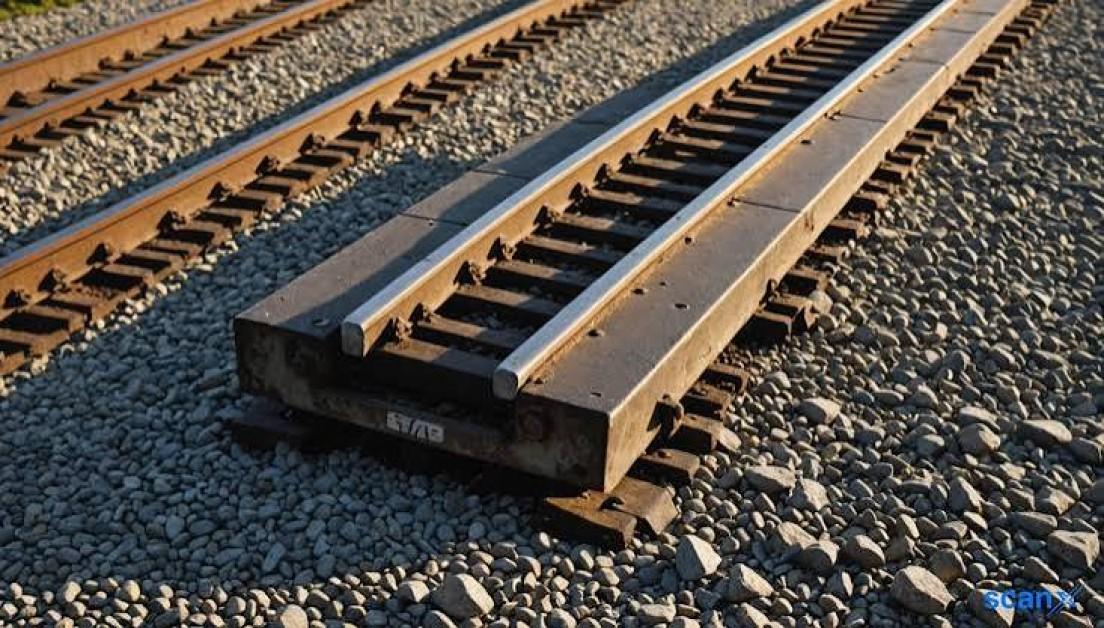
Rail Vikas Nigam Q2 FY27 Results on November 12 Put Railway Project Execution, ₹93,492 Crore Order Book and Revenue Growth in Focus
New Delhi, November 12, 2026: Rail Vikas Nigam Limited (RVNL) is scheduled to review its financial results for the quarter and half-year ended September 30, 2026, with investors focusing on railway infrastructure project execution, order-book conversion, revenue growth and operating profitability.
The state-owned railway infrastructure company has rescheduled its board meeting to Thursday, November 12, from the previously announced date of November 13.
The board will consider and approve the company's unaudited standalone and consolidated financial results for the reporting period.
The announcement comes as RVNL manages a substantial portfolio of railway construction, track doubling, electrification and infrastructure development contracts.
At the end of June 2026, the company reported an order book of approximately ₹93,492 crore, providing significant visibility into future project activity.
However, the size of the order book is only one measure of business prospects. Investors are increasingly focused on how efficiently those contracts are converted into completed work, recognised revenue and cash flow.
RVNL reported consolidated revenue of ₹4,321 crore during Q1 FY27, representing year-on-year growth of approximately 10.6%.
Net profit increased approximately 18.5% to ₹159 crore.
The September-quarter results will provide an important indication of whether the company is maintaining its earnings momentum while addressing project execution and payment-related challenges.
RVNL Reschedules Q2 FY27 Board Meeting to November 12

RVNL initially informed stock exchanges on November 4 that its board would meet on November 13 to consider the September-quarter financial results.
The company subsequently announced on November 9 that the meeting had been rescheduled to November 12.
The reporting period covers the three months ended September 30, 2026, and the first six months of FY27.
RVNL has also scheduled an investor conference call for November 17.
The call is expected to provide an opportunity for investors and analysts to discuss the financial results and operational developments.
Management commentary will be particularly important for assessing project execution, order inflows and the company's revenue outlook.
Until the September-quarter results are formally released, Q2 FY27 revenue and profit figures should not be treated as confirmed.
RVNL Q2 FY27: Key Indicators Investors Will Monitor
| Indicator | Latest Reported Benchmark | Investor Focus |
|---|---|---|
| Consolidated revenue | ₹4,321 crore in Q1 FY27 | Revenue growth and project execution |
| Consolidated net profit | Approximately ₹159 crore in Q1 FY27 | Earnings performance |
| Outstanding order book | ₹93,492 crore as of June 30, 2026 | Future business visibility |
| Q1 FY27 order inflows | Approximately ₹5,417 crore | New contract momentum |
| Work under execution | Approximately ₹40,000 crore | Active project progress |
| FY27 revenue growth outlook | Approximately 15% | Achievement of management guidance |
| FY27 profit growth outlook | Approximately 15%–20% | Profitability and cost control |
| FY27 order inflow target | ₹20,000–₹25,000 crore | Business development |
| Working capital | Subject to half-year disclosure | Receivables and cash generation |
The indicators will help investors distinguish between contract awards, physical project progress and financial performance.
Q1 FY27 Revenue Increased 10.6% to ₹4,321 Crore
RVNL reported consolidated revenue from operations of approximately ₹4,321.23 crore for the quarter ended June 30, 2026.
This compared with approximately ₹3,909 crore in the corresponding period of FY26.
The increase represented year-on-year growth of approximately 10.6%.
Revenue declined sequentially from approximately ₹6,696 crore in the March 2026 quarter.
However, quarterly revenue comparisons in the infrastructure sector can be influenced by project milestones and seasonal execution patterns.
The March quarter may include the completion and billing of work associated with the financial year-end.
Consequently, a sequential decline does not necessarily indicate weaker underlying demand.
The September-quarter results will provide additional evidence of how the company's project portfolio is translating into revenue.
Net Profit Rose Approximately 18.5% in June Quarter
RVNL reported consolidated net profit of approximately ₹159.36 crore during Q1 FY27.
This compared with around ₹134.5 crore in Q1 FY26.
The increase represented growth of approximately 18.5%.
Profit declined sequentially from approximately ₹187 crore in Q4 FY26.
The year-on-year increase demonstrated improved earnings during the opening quarter.
However, profitability in infrastructure businesses depends on project mix, execution costs, financing expenses and other income.
Revenue growth does not necessarily produce equivalent profit growth.
Investors will therefore examine the September-quarter results for changes in operating profitability and net margins.
The sustainability of earnings growth will remain important to RVNL's financial outlook.
September 2025 Quarter Provides the Comparison Base
RVNL's Q2 FY26 performance provides an important benchmark for evaluating the latest earnings.
The company reported consolidated revenue of approximately ₹5,123 crore during the September 2025 quarter.
Net profit stood at approximately ₹230 crore.
The figures were higher than those reported in the June 2026 quarter.
As a result, RVNL faces a relatively demanding year-on-year comparison for Q2 FY27.
The September 2026 results will show whether project execution has increased sufficiently to support revenue and earnings growth against that base.
Investors will also assess the first-half performance rather than relying exclusively on a single quarter.
RVNL's ₹93,492 Crore Order Book Provides Revenue Visibility
RVNL reported an outstanding order book of approximately ₹93,492 crore as of June 30, 2026.
The order book represents the value of contracted work that remains to be executed.
It provides visibility into future business activity.
However, an order book should not be interpreted as revenue already earned.
Projects may take several months or years to complete.
Revenue recognition depends on the progress of work and applicable contractual and accounting arrangements.
The financial contribution of each contract also depends on its margin profile and execution costs.
For RVNL, the key challenge is converting its substantial backlog into revenue while maintaining profitability.
Investors will monitor the updated order-book position in the company's September-quarter disclosures and management commentary.
Approximately ₹40,000 Crore of Work Was Under Execution
During its August 2026 earnings call, RVNL management indicated that approximately ₹40,000 crore of work was under execution.
This represents an important distinction within the broader order book.
Projects under execution have progressed beyond contract award into implementation.
However, they may still require substantial work before completion.
The pace of execution depends on site availability, materials, labour, equipment and customer approvals.
Projects may also be affected by weather and coordination with railway authorities.
Investors will assess whether the value of active projects has increased during the September quarter.
Stronger execution can support revenue growth when work is completed and recognised under the relevant accounting rules.
New Orders Reached ₹5,417 Crore in Q1 FY27
RVNL reported new order inflows of approximately ₹5,417 crore during the June quarter.
New contracts are important because they replenish the order book as existing projects are completed.
However, the value of new orders does not automatically determine near-term revenue.
The execution period can vary significantly between contracts.
Some projects may be completed within a relatively short period, while others require several years.
RVNL management has outlined a target of approximately ₹20,000–₹25,000 crore in new orders for FY27.
Investors will monitor whether the company remains on track to achieve that target.
The quality and profitability of new contracts will be as important as their value.
Railway Track Doubling Projects Support Business Activity
Track doubling is an important part of India's railway infrastructure development.
The process involves constructing additional railway tracks along existing routes.
Additional tracks can increase line capacity and reduce congestion.
They may also improve operational flexibility for passenger and freight services.
RVNL participates in railway doubling and multitracking projects.
These contracts can involve earthworks, bridges, track construction, signalling and electrical systems.
Project execution depends on land availability, engineering requirements and coordination with railway operations.
For RVNL, track doubling projects represent a significant source of construction activity.
Investors will monitor the progress of such contracts and their contribution to revenue.
East Central Railway Contract Adds to Project Portfolio
RVNL received a letter of acceptance from East Central Railway in July 2026 for a track doubling project.
The contract was valued at approximately ₹358.97 crore, including applicable taxes.
The work involves doubling a railway section covering approximately 41 kilometres.
The project adds to RVNL's portfolio of railway capacity-expansion contracts.
However, the financial contribution will depend on the implementation schedule.
The company must complete the required construction activities and meet contractual milestones.
Investors will monitor whether the project progresses according to schedule.
The contract demonstrates continued demand for railway infrastructure development.
East Coast Railway Awards Additional Infrastructure Work
RVNL also received a contract from East Coast Railway in August 2026.
The order was valued at approximately ₹404.88 crore, including taxes.
The project involves third-line railway construction work.
Additional railway lines can improve route capacity and support higher traffic volumes.
However, construction may require complex coordination with existing railway operations.
The project adds to RVNL's order portfolio.
Its contribution to revenue will depend on the pace of implementation.
Investors will monitor whether such contracts support the company's FY27 growth objectives.
SJVN Thermal Rail Siding Contract Expands Project Opportunities
RVNL received an order from SJVN Thermal in September 2026 for railway siding infrastructure.
The contract was valued at approximately ₹903.01 crore, including taxes.
The work is associated with the 1,320-megawatt Buxar thermal power project in Bihar.
Railway sidings provide connections between industrial facilities and the broader railway network.
They are important for transporting coal, raw materials and finished products.
The contract demonstrates RVNL's participation in rail-linked industrial infrastructure.
However, the timing of revenue recognition will depend on project execution.
Investors will assess whether such contracts contribute to diversification beyond conventional railway construction.
Railway Electrification Remains an Important Business Area
Railway electrification involves installing electrical infrastructure to support electric train operations.
Projects may include overhead equipment, traction substations and associated systems.
Electrification can support operational efficiency and reduce dependence on diesel traction.
RVNL has experience executing railway electrification projects.
However, the pace of future opportunities depends on the remaining requirements of India's railway network.
As electrification progresses, the mix of available projects may change.
The company may increasingly focus on upgrades, additional lines and other railway systems.
Investors will monitor whether electrification-related work continues to contribute meaningfully to RVNL's order book.
Signalling and Telecommunications Add Technical Complexity
Modern railway infrastructure requires signalling and telecommunications systems.
Signalling equipment helps manage train movements and operational safety.
Telecommunications systems support communication between railway facilities and personnel.
RVNL participates in projects involving these technologies.
Such contracts may require specialised equipment and technical expertise.
The financial performance of these projects depends on procurement, installation and commissioning.
Technology-related work can also involve coordination with multiple suppliers.
Investors will assess whether RVNL is expanding its capabilities in railway systems alongside conventional civil construction.
BharatNet Project Adds Diversification Opportunities
RVNL has participated in infrastructure activities beyond its traditional railway portfolio.
The BharatNet programme is intended to improve broadband connectivity in rural India.
RVNL's involvement provides exposure to telecommunications infrastructure.
However, these projects have different execution requirements from railway construction.
During its August earnings call, RVNL management discussed payment-related challenges involving Bharat Sanchar Nigam Limited.
Management indicated that efforts were underway to resolve the issues and that some payments had been received.
The development highlights the importance of customer payments and working-capital management.
Investors will monitor whether outstanding payment issues are resolved and whether the projects progress as planned.
Working Capital Remains a Key Financial Consideration
Infrastructure companies frequently incur costs before receiving full payment from customers.
Project execution may require spending on materials, labour and equipment.
Payments can depend on completion milestones and certification of work.
Delays in receiving funds may increase working-capital requirements.
For RVNL, receivables and customer payments are therefore important financial indicators.
Strong accounting revenue does not necessarily translate immediately into cash flow.
The half-year financial statements will provide updated information about operating cash generation.
Investors will assess whether project execution is being supported by timely collections.
Labour Availability Can Affect Execution
Large railway infrastructure projects require skilled and unskilled labour.
Construction activity depends on the availability of engineers, technicians, equipment operators and other workers.
Labour shortages can affect project schedules.
During its August earnings call, RVNL management identified labour availability as one of the challenges affecting execution.
The company also referred to geopolitical conditions and payment-related issues.
These factors can influence the pace of project implementation.
However, their financial impact depends on the scale and duration of disruption.
Investors will monitor whether management reports improvements in execution conditions during the September quarter.
Monsoon Conditions Influence Construction Activity
The September quarter overlaps with the monsoon season in many parts of India.
Heavy rainfall can affect excavation, earthworks, bridge construction and other outdoor activities.
Railway infrastructure projects may also face transportation and site-access challenges.
However, the effect of weather varies by region and project type.
Some activities can continue during the monsoon, while others may experience delays.
For RVNL, seasonal conditions can influence quarterly execution patterns.
Investors will therefore assess the September-quarter results in the context of project schedules and weather-related constraints.
A single quarter may not fully represent the company's annual execution capacity.
Operating Margins Depend on Project Mix
RVNL's operating profitability is influenced by the type of projects it executes.
Railway civil construction, electrification, signalling and industrial infrastructure contracts can have different cost structures.
Margins may also vary depending on contractual arrangements.
Projects involving significant subcontracting may generate different margins from those executed more directly.
Material prices, labour expenses and financing costs can affect profitability.
Investors will examine the September-quarter operating margin alongside revenue growth.
A substantial order book is valuable only if projects can be executed at sustainable margins.
Management Maintains FY27 Revenue Growth Outlook
During its August 2026 earnings call, RVNL management indicated that it expected revenue growth of approximately 15% during FY27.
The company also outlined an expectation of approximately 15%–20% profit growth.
These figures represent management expectations rather than guaranteed outcomes.
Actual performance will depend on project execution, customer payments and operating conditions.
The September-quarter results will provide additional evidence of whether RVNL is progressing toward its targets.
Investors will assess whether management maintains, revises or qualifies its outlook.
Any change in guidance could influence expectations for the remainder of FY27.
International Projects Offer Additional Opportunities
RVNL has also pursued international infrastructure opportunities.
In October 2026, the company disclosed receiving an order from the Ministry of External Affairs involving the preparation of a detailed project report for a project in Seychelles.
The assignment was valued at approximately ₹55 lakh and carried a six-month execution period.
The contract is relatively small compared with RVNL's overall order book.
However, it demonstrates the company's involvement in international project-related services.
International opportunities may provide diversification over time.
Their commercial contribution will depend on the size, scope and execution of future contracts.
Railway Infrastructure Investment Supports Long-Term Demand
India continues to invest in railway infrastructure to improve capacity, connectivity and operational efficiency.
Projects include additional railway lines, station redevelopment, signalling improvements and freight-related infrastructure.
The expansion of railway capacity is important for both passenger transport and industrial logistics.
Government approvals for new railway projects can create opportunities for infrastructure companies.
However, project approval does not automatically result in a contract for RVNL.
The company must secure work through applicable procurement processes.
Investors will therefore distinguish between broader railway investment plans and confirmed orders awarded to RVNL.
Railway Stocks Rally Ahead of Earnings
Railway-related stocks attracted buying interest on November 11, 2026.
RVNL shares rose approximately 3.8% to close near ₹209.40 on the NSE.
The stock traded higher during the session, reaching an intraday level above ₹220.
Other railway-related companies also recorded gains.
The movement reflected broader interest in the railway sector.
However, a single session's share-price increase does not establish a sustained recovery.
Investors will monitor whether the company's financial results support market expectations.
RVNL Share Price Remains Sensitive to Execution
RVNL is listed on the National Stock Exchange under the symbol RVNL and on the BSE under code 542649.
Its valuation is influenced by order-book growth, revenue performance, margins and broader market sentiment.
A large order book can support expectations for future revenue.
However, project delays and payment issues may affect financial performance.
The company must also maintain profitability while securing new contracts.
Investors will therefore assess whether the September-quarter results demonstrate progress in converting the order book into revenue.
Share-price performance should be considered alongside the company's financial and operational fundamentals.
Outlook for Rail Vikas Nigam in FY27
RVNL enters the September-quarter earnings review with an order book of approximately ₹93,492 crore as of June 30.
The company has outlined a target of ₹20,000–₹25,000 crore in new orders during FY27.
Management also expects revenue growth of approximately 15% and profit growth of around 15%–20%.
However, achieving these objectives will depend on execution conditions.
Labour availability, weather, project approvals and customer payments may influence progress.
The company's involvement in railway construction, electrification, signalling and industrial infrastructure provides a diversified project portfolio.
Investors will monitor whether execution improves during the remainder of the financial year.
The November 12 results and November 17 investor call will provide further information about the company's operational and financial outlook.
Conclusion
Rail Vikas Nigam Limited is scheduled to review its Q2 FY27 financial results on November 12, following the rescheduling of its board meeting from November 13.
The announcement will place attention on railway project execution, order-book conversion, revenue growth and operating profitability.
The company enters the reporting event after recording Q1 FY27 consolidated revenue of approximately ₹4,321 crore and net profit of around ₹159 crore.
Its outstanding order book of ₹93,492 crore provides substantial long-term business visibility.
However, converting that backlog into revenue will depend on the pace of project implementation and the availability of working capital.
Recent contract awards across railway doubling, third-line construction and industrial rail infrastructure demonstrate continued business opportunities.
For investors, the September-quarter results will be important in determining whether RVNL is progressing toward its FY27 growth expectations while managing execution and payment-related challenges.
 Rail Vikas Nigam Q2 FY27 Results: Order Book, Revenue and Railway Projects in Focus FAQs

POST A COMMENT (0)
All Comments (0)
Replies (0)