





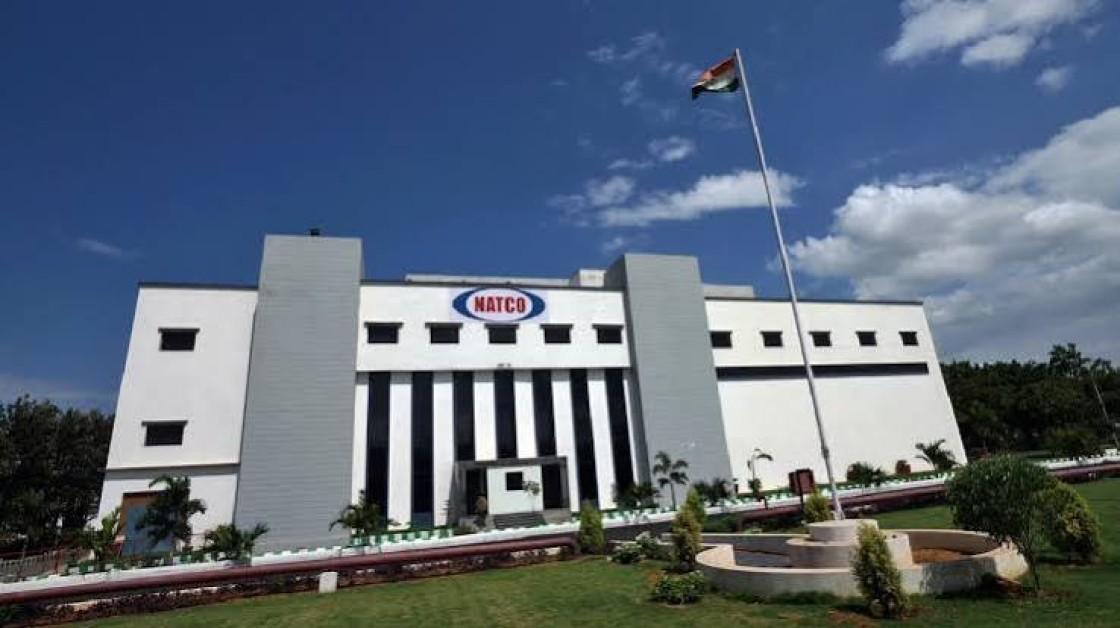
Natco Pharma Increases Investment in eGenesis
Natco Pharma has increased its investment in US-based biotechnology company eGenesis, taking its cumulative investment in the xenotransplantation-focused company to approximately $16.7 million.
The additional investment expands the Indian pharmaceutical company's exposure to an emerging area of biotechnology that seeks to address the global shortage of transplantable human organs.
eGenesis is developing genetically engineered organs from pigs for potential transplantation into humans, combining gene-editing technologies with advanced transplantation science.
The investment gives Natco Pharma strategic exposure to a field that could significantly change organ transplantation if ongoing research and clinical development ultimately demonstrate safety and effectiveness.
What Is eGenesis?

eGenesis is a US biotechnology company developing transplantable organs and cells using genetically engineered pigs.
Xenotransplantation refers to the transplantation of organs, tissues or cells between different species. One of the most actively researched applications involves modifying pig organs so they may potentially function safely in human recipients.
Scientists have studied pigs as potential organ donors because their organs share certain anatomical and physiological characteristics with human organs.
However, significant biological barriers must be overcome before xenotransplantation can become widely available.
eGenesis is working to address these challenges using advanced genetic engineering.
Gene Editing Is Central to eGenesis Technology
A major obstacle to animal-to-human transplantation is the risk that the human immune system will recognise the transplanted organ as foreign and rapidly reject it.
There are also concerns surrounding viruses and other biological risks associated with cross-species transplantation.
eGenesis uses gene-editing technologies to make multiple genetic modifications to donor animals. These modifications are intended to reduce immune incompatibility, address potential viral risks and improve the suitability of organs for transplantation.
The company's research programmes are exploring applications across different types of organ and cell transplantation.
Why Xenotransplantation Is Attracting Attention
The fundamental problem xenotransplantation seeks to address is the persistent shortage of donor organs.
Patients requiring kidney, heart, liver and other organ transplants can spend long periods waiting for suitable human donors. Some patients die before an appropriate organ becomes available.
Creating a reliable supply of genetically engineered animal organs could potentially reduce this dependence on deceased and living human donors.
The technology, however, remains scientifically complex and subject to extensive clinical, regulatory and ethical scrutiny.
Long-term evidence will be required to determine whether genetically engineered animal organs can function safely and reliably in humans.
Natco Pharma Expands Exposure Beyond Traditional Pharmaceuticals
Natco Pharma is widely known for its pharmaceutical business, including complex generic medicines and specialty products.
Its investment in eGenesis provides exposure to a substantially different segment of healthcare innovation.
Instead of directly acquiring a conventional pharmaceutical product or manufacturing asset, the investment connects Natco with an early-stage biotechnology platform focused on advanced transplantation medicine.
Such investments can allow established pharmaceutical companies to participate in emerging technologies without immediately building the underlying scientific platforms internally.
Investment Could Provide Long-Term Strategic Exposure
Increasing its cumulative investment to approximately $16.7 million indicates Natco Pharma's continued financial participation in eGenesis.
For Natco, the investment provides potential exposure to future developments in xenotransplantation while its core pharmaceutical operations remain separate from eGenesis' research programmes.
The eventual commercial value of the investment will depend heavily on scientific progress, regulatory approvals, clinical outcomes and eGenesis' ability to translate experimental technologies into approved treatments.
Biotechnology investments of this nature can carry substantial risk because product development timelines are long and successful early research does not guarantee eventual commercialisation.
Xenotransplantation Is Moving Toward Clinical Development
Interest in xenotransplantation has accelerated as advances in gene editing, immunology and transplantation medicine make increasingly sophisticated experiments possible.
Researchers have demonstrated that genetically modified animal organs can function in human recipients for varying periods under closely monitored circumstances.
The next major challenge is establishing safety, durability and reproducibility through properly designed clinical studies.
Regulators will also need to evaluate issues including infection risks, immune rejection, patient monitoring, animal welfare and long-term outcomes before xenotransplantation could become part of mainstream healthcare.
Potential Impact Extends Beyond Kidney Transplants
Although kidneys are among the most prominent areas of xenotransplantation research, the broader technology could potentially have applications across several types of organs, tissues and cells.
If scientifically validated and commercially scalable, genetically engineered donor animals could eventually create a more predictable organ supply.
That would represent a major shift from today's transplantation system, where organ availability is fundamentally constrained by the number of suitable human donors.
The potential is significant, but substantial scientific and regulatory milestones remain before such systems could operate at scale.
Conclusion
Natco Pharma's decision to increase its cumulative investment in US-based eGenesis to approximately $16.7 million expands the Indian pharmaceutical company's exposure to one of biotechnology's emerging frontiers.
eGenesis is developing genetically engineered animal organs and cells with the objective of overcoming critical limitations in the existing human organ transplantation system.
While xenotransplantation remains a developing field with considerable scientific, regulatory and commercial uncertainty, continued advances in gene editing and transplantation medicine have increased interest in its long-term potential.
Natco Pharma's investment therefore represents both a biotechnology investment and strategic exposure to a technology that could eventually reshape how transplantable organs are supplied.
 Natco Pharma Raises Investment in US Xenotransplantation Company eGenesis to $16.7 Million FAQs
POST A COMMENT (0)
All Comments (0)
Replies (0)