





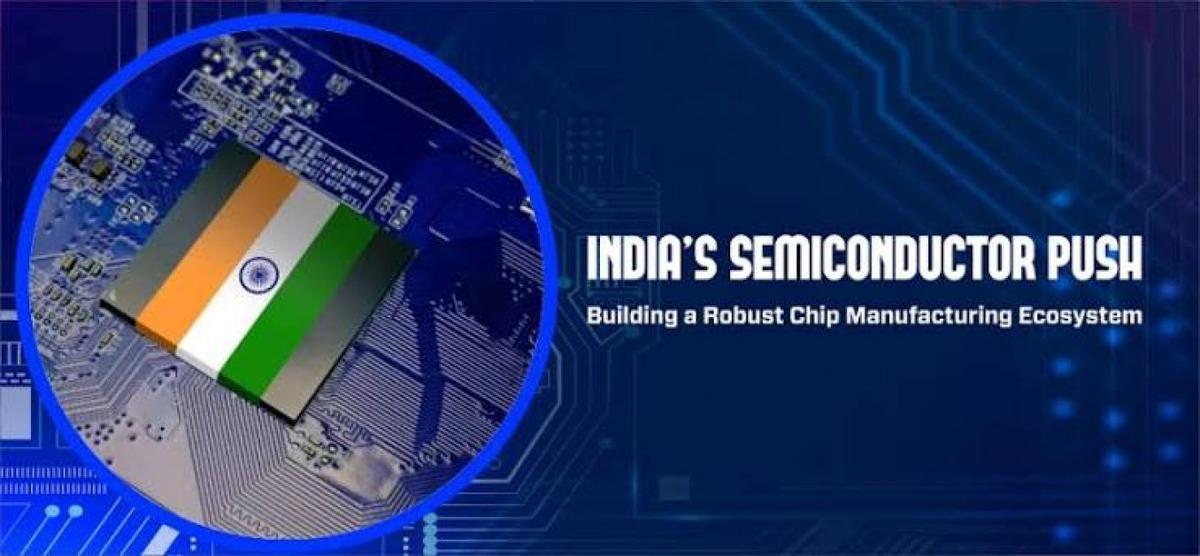
India's Semiconductor Manufacturing Ecosystem Gains Fresh Global Momentum
India's semiconductor manufacturing ecosystem is witnessing renewed global momentum as international technology companies, domestic manufacturers and policymakers continue strengthening the country's ambitions to become a major hub for chip production. Fresh investments, strategic partnerships and expanding manufacturing capacity are reinforcing India's position within the global semiconductor supply chain.
The growing interest comes amid worldwide efforts to diversify semiconductor production, improve supply-chain resilience and reduce dependence on a limited number of manufacturing locations.
Global Companies Increase Engagement with India

International semiconductor companies continue expanding their presence through investments, partnerships and technology collaborations.
Key developments include:
-
Strategic technology partnerships
-
Equipment supply agreements
-
Manufacturing investments
-
Engineering collaborations
-
Research initiatives
-
Workforce development
-
Supply chain integration
-
Long-term capacity planning
These collaborations are accelerating the development of India's semiconductor capabilities.
Government Policies Continue to Support Growth
The Indian government has introduced several initiatives to strengthen domestic semiconductor manufacturing.
Key priorities include:
-
Manufacturing incentives
-
Capital investment support
-
Infrastructure development
-
Research and innovation
-
Skill development
-
Supply-chain localisation
-
International collaboration
-
Electronics manufacturing expansion
Policy support remains a critical driver of long-term industry growth.
Manufacturing Capacity Continues to Expand
India is investing across multiple segments of the semiconductor value chain.
Growth areas include:
-
Wafer fabrication
-
Chip assembly
-
Testing facilities
-
Packaging operations
-
Electronics manufacturing
-
Component production
-
Precision engineering
-
Industrial infrastructure
Expanding domestic capacity is expected to improve supply-chain resilience and reduce import dependence.
Strategic Partnerships Accelerate Technology Transfer
Collaborations between Indian manufacturers and global technology companies are strengthening technical capabilities.
Areas of cooperation include:
-
Advanced manufacturing processes
-
Equipment installation
-
Process engineering
-
Workforce training
-
Quality management
-
Research and development
-
Production optimisation
-
Technology integration
Such partnerships help build long-term expertise within the domestic semiconductor industry.
Semiconductor Demand Continues to Rise
Growing demand for semiconductors is supporting investment across the industry.
Major demand drivers include:
-
Smartphones
-
Consumer electronics
-
Electric vehicles
-
Automotive electronics
-
Artificial intelligence
-
Data centres
-
Industrial automation
-
Telecommunications
As digital technologies expand, semiconductor demand is expected to remain structurally strong.
Supply Chain Diversification Benefits India
Global manufacturers are seeking to diversify semiconductor production beyond traditional manufacturing centres.
India offers several advantages, including:
-
Large domestic market
-
Skilled engineering workforce
-
Expanding infrastructure
-
Competitive manufacturing environment
-
Government incentives
-
Growing electronics ecosystem
-
Stable long-term demand
-
Strategic geographic location
These strengths continue to attract global industry participants.
Electronics Manufacturing Ecosystem Strengthens
The semiconductor industry supports broader growth across India's electronics sector.
Key beneficiaries include:
-
Consumer electronics
-
Telecom equipment
-
Automotive manufacturing
-
Industrial machinery
-
Medical devices
-
Defence electronics
-
Renewable energy systems
-
Smart infrastructure
A stronger semiconductor ecosystem enhances domestic manufacturing capabilities across multiple industries.
Risks to Monitor
Despite strong momentum, several challenges remain.
These include:
-
High capital requirements
-
Technology complexity
-
Global competition
-
Project execution timelines
-
Skilled workforce availability
-
Supply chain disruptions
-
Regulatory approvals
-
Demand fluctuations
-
Geopolitical uncertainties
-
Rapid technological evolution
Addressing these challenges will be essential for sustaining long-term industry growth.
What Investors Should Watch
Investors should monitor:
-
New semiconductor investments
-
Manufacturing project milestones
-
Government policy announcements
-
International technology partnerships
-
Capacity expansion plans
-
Production timelines
-
Electronics manufacturing growth
-
Capital expenditure
-
Industry demand trends
-
Global semiconductor market conditions
These indicators will help evaluate the pace of India's semiconductor ecosystem development.
Outlook
India's semiconductor manufacturing ecosystem is expected to continue attracting global attention as investments, policy support and strategic partnerships accelerate. Continued progress in fabrication, assembly, testing and packaging capabilities could strengthen India's role within the global semiconductor value chain while supporting long-term industrial and technological growth.
As worldwide demand for advanced chips continues to rise, India's expanding semiconductor ecosystem is well positioned to become an increasingly important contributor to global electronics manufacturing.
Conclusion
India's semiconductor manufacturing ecosystem is entering a new phase of development, driven by international partnerships, government initiatives and expanding domestic investment. The combination of policy support, technological collaboration and infrastructure development is strengthening the country's position as an emerging semiconductor manufacturing destination.
While significant execution challenges remain, continued investment and ecosystem development are expected to enhance India's competitiveness and support long-term growth across the technology and manufacturing sectors.
 India's Semiconductor Manufacturing Ecosystem Attracts Fresh Global Momentum FAQs
POST A COMMENT (0)
All Comments (0)
Replies (0)