





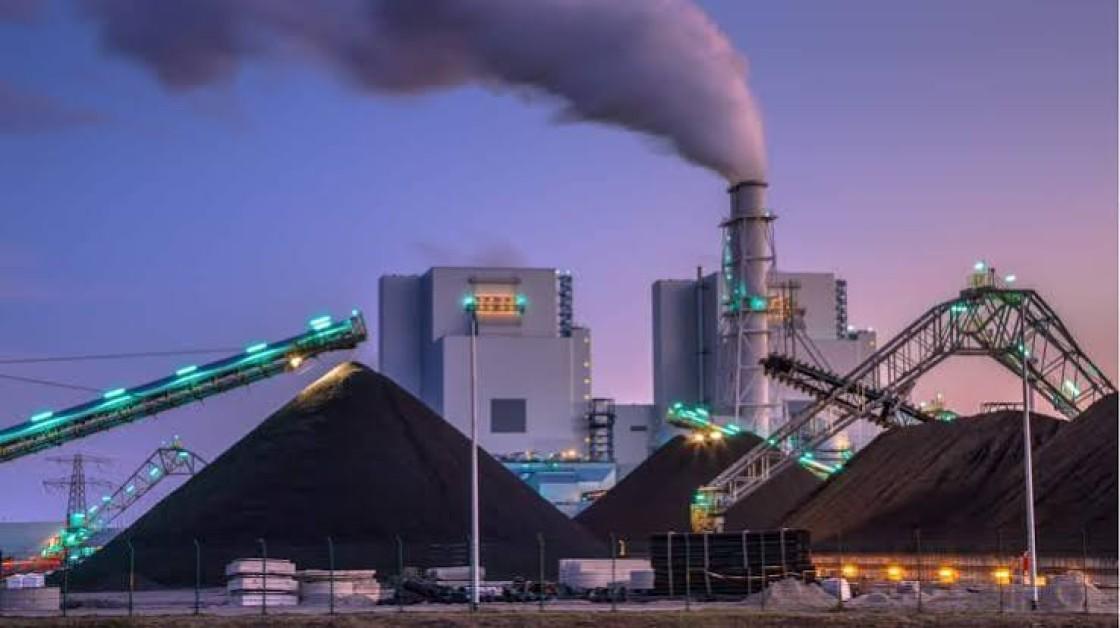
India Accelerates Coal-to-Gas Projects With Fresh Government Funding
India is accelerating the development of coal-to-gas projects with fresh government funding aimed at expanding domestic energy infrastructure, promoting cleaner industrial fuels and strengthening long-term energy security. The initiative forms part of the country's broader strategy to maximise the value of its coal resources while reducing dependence on imported fuels and supporting industrial growth.
The renewed funding is expected to encourage investment in coal gasification technologies, create new opportunities across the manufacturing value chain and support India's long-term energy diversification strategy.
Government Boosts Coal Gasification Programme

The latest funding initiative is intended to speed up the implementation of coal-to-gas conversion projects across the country.
The programme aims to support:
-
Coal gasification plants
-
Industrial fuel production
-
Domestic energy resources
-
Advanced processing technologies
-
Infrastructure development
-
Manufacturing growth
-
Technology innovation
-
Energy diversification
The initiative reflects the government's focus on strengthening strategic energy capabilities.
Coal-to-Gas Technology Expands Industrial Applications
Coal gasification converts coal into synthetic gas that can be used across multiple industries.
Key applications include:
-
Fertiliser manufacturing
-
Chemical production
-
Petrochemicals
-
Steel manufacturing
-
Hydrogen production
-
Power generation
-
Industrial heating
-
Synthetic fuels
The technology offers industries an additional source of feedstock while improving resource utilisation.
Energy Security Remains a National Priority
Reducing dependence on imported energy continues to be a major policy objective.
Coal-to-gas projects can contribute to:
-
Domestic fuel production
-
Import substitution
-
Stable industrial supply
-
Resource efficiency
-
Energy diversification
-
Strategic fuel availability
-
Long-term planning
-
Industrial resilience
Strengthening domestic energy production enhances the country's ability to manage global supply disruptions.
Infrastructure Investment Gains Momentum
Large-scale coal gasification projects require significant infrastructure development.
Investment areas include:
-
Processing facilities
-
Gasification units
-
Pipeline connectivity
-
Storage systems
-
Utility infrastructure
-
Industrial logistics
-
Engineering services
-
Digital monitoring
Infrastructure expansion is expected to generate long-term economic activity.
Manufacturing Sector Stands to Benefit
The programme is expected to support growth across several industrial sectors.
Potential beneficiaries include:
-
Chemicals
-
Fertilisers
-
Steel
-
Cement
-
Engineering
-
Industrial gases
-
Heavy manufacturing
-
Equipment suppliers
A stronger domestic energy supply chain can improve industrial competitiveness and productivity.
Technology and Innovation Drive Efficiency
Modern coal gasification relies on advanced engineering and digital technologies.
Key investment priorities include:
-
High-efficiency gasifiers
-
Automation systems
-
Artificial intelligence
-
Digital process control
-
Carbon management
-
Energy optimisation
-
Environmental monitoring
-
Research and development
Technology adoption is expected to improve efficiency while reducing operational costs.
Environmental Performance Continues Improving
New-generation coal-to-gas projects increasingly incorporate cleaner technologies.
Sustainability initiatives include:
-
Lower emissions
-
Improved energy efficiency
-
Cleaner industrial processes
-
Resource optimisation
-
Water management
-
Waste reduction
-
Carbon management
-
Environmental compliance
Improving environmental performance remains central to future project development.
Employment and Economic Activity
Infrastructure investment is expected to generate wider economic benefits.
Potential outcomes include:
-
Employment creation
-
Construction activity
-
Engineering contracts
-
Equipment manufacturing
-
Regional industrial development
-
Supply chain expansion
-
Technology services
-
Local economic growth
Large industrial projects typically create opportunities across multiple sectors.
Private Sector Participation Expected
Government funding is likely to encourage greater private investment in gasification projects.
Areas of collaboration include:
-
Project financing
-
Engineering partnerships
-
Equipment manufacturing
-
Technology licensing
-
Infrastructure development
-
Industrial operations
-
Research partnerships
-
Long-term asset management
Public-private collaboration is expected to accelerate project execution.
Risks to Monitor
Investors should continue monitoring:
-
Project execution
-
Capital expenditure
-
Technology performance
-
Environmental regulations
-
Fuel economics
-
Infrastructure readiness
-
Financing availability
-
Industrial demand
-
Policy implementation
-
Commodity price movements
These factors will influence the commercial success of coal-to-gas projects.
What Investors Should Watch
Key indicators include:
-
Government funding allocation
-
Project approvals
-
Capacity additions
-
Infrastructure development
-
Private sector participation
-
Industrial demand
-
Technology deployment
-
Manufacturing investment
-
Environmental compliance
-
Long-term execution progress
These metrics will provide insight into the growth potential of India's coal gasification programme.
Outlook
India's renewed investment in coal-to-gas infrastructure is expected to strengthen domestic energy capabilities while supporting industrial expansion and long-term energy security.
As technology advances and supporting infrastructure develops, coal gasification is likely to play a more prominent role in the country's diversified energy strategy.
Future progress will depend on efficient execution, technological innovation, regulatory support and sustained industrial demand.
Conclusion
India's decision to accelerate coal-to-gas projects through fresh government funding highlights its commitment to strengthening domestic energy resources while promoting cleaner industrial fuel alternatives.
The initiative is expected to encourage investment, support manufacturing growth and enhance long-term energy security through advanced gasification technologies.
Investors will closely monitor project implementation, policy developments, infrastructure expansion and industrial demand as the programme progresses.
 India Accelerates Coal-to-Gas Projects With Fresh Government Funding FAQs
POST A COMMENT (0)
All Comments (0)
Replies (0)