





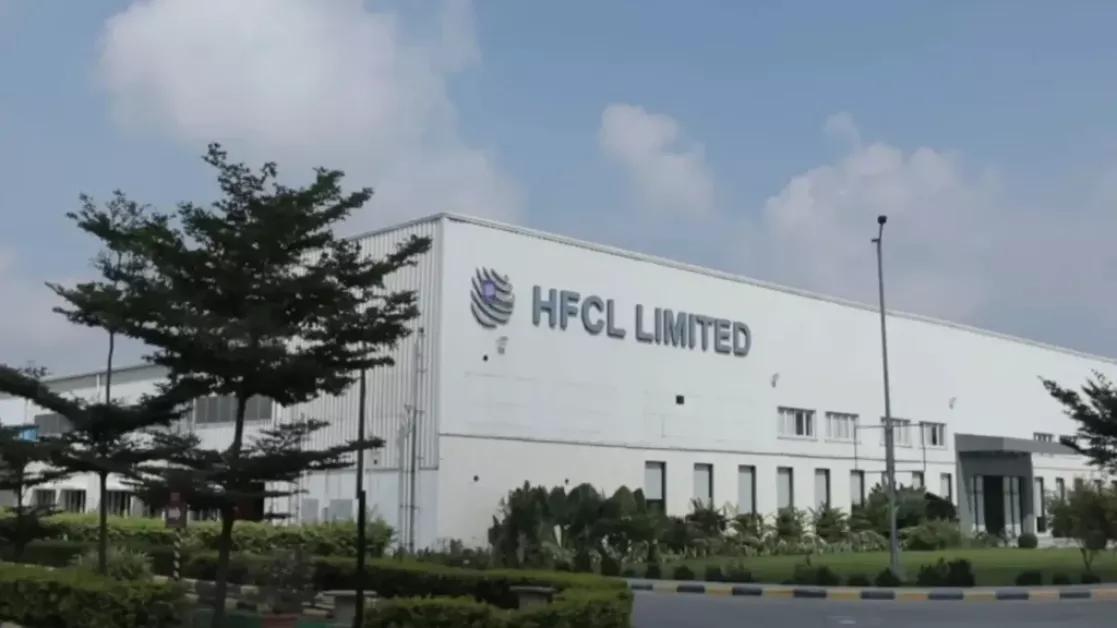
HFCL Targets ₹1,800 Crore Manufacturing Expansion
HFCL's proposed ₹1,800 crore capacity-investment programme places manufacturing expansion at the centre of its growth strategy.
Telecommunications equipment manufacturing requires investment in production facilities, specialised machinery, testing systems and product-development capabilities.
Expanding capacity can allow manufacturers to serve larger customer orders and support a broader range of products.
For HFCL, the programme is intended to strengthen its ability to address demand associated with advanced mobile networks and international telecommunications infrastructure.
The exact allocation of the investment across facilities, product categories and implementation phases will be important in assessing its financial impact.
The timing of capacity additions will also influence when the company can begin generating additional revenue from the programme.
5G Equipment Manufacturing Becomes a Growth Priority

The expansion of 5G networks is creating demand for advanced communications equipment.
5G infrastructure requires products that support higher data speeds, lower latency and increased network capacity.
These include radio access systems, networking equipment, transmission infrastructure and related technologies.
Domestic manufacturing of such products can help India reduce dependence on imported equipment and strengthen local technology capabilities.
HFCL's expansion plans position the company to pursue opportunities arising from continued network development.
However, competition in 5G equipment manufacturing is intense, and commercial success depends on technical performance, product certification and competitive pricing.
Telecom Operators Continue Network Modernisation
Telecommunications operators are investing in network upgrades to support growing mobile data consumption and changing customer requirements.
The transition toward more advanced mobile infrastructure creates demand for equipment used in network expansion, capacity enhancement and connectivity management.
India's telecom market has already undergone substantial 5G deployment, but network investment continues beyond initial coverage expansion.
Operators may require additional equipment to improve capacity, optimise performance and extend connectivity into underserved areas.
These developments can support demand for domestic telecom manufacturers.
However, equipment procurement is influenced by operators' capital expenditure budgets, financial conditions and technology deployment schedules.
HFCL Seeks Stronger International Export Presence
Exports are another important component of HFCL's manufacturing strategy.
International telecommunications markets provide opportunities for equipment manufacturers capable of meeting global technical standards and commercial requirements.
Demand for broadband networks, fibre connectivity and mobile infrastructure continues across several regions.
Indian manufacturers can compete for these opportunities by offering reliable products, competitive pricing and dependable delivery capabilities.
Expanding exports may also help HFCL diversify its customer base beyond domestic telecommunications projects.
However, overseas growth requires investment in distribution, certification, technical support and long-term customer relationships.
Optical Fibre and Connectivity Infrastructure Remain Important
HFCL has an established presence in optical fibre and telecommunications connectivity solutions.
Optical fibre infrastructure plays a critical role in supporting mobile networks, fixed broadband and high-capacity data transmission.
5G networks require substantial fibre connectivity to link radio infrastructure with core networks and data centres.
Growing demand for broadband and digital services can therefore create opportunities for fibre and associated networking products.
Infrastructure investment in data centres, enterprises and public connectivity programmes may provide additional sources of demand.
The company's ability to integrate its fibre-related capabilities with broader telecom equipment offerings could influence its competitive positioning.
Make in India Supports Domestic Telecom Production
India's manufacturing policies have encouraged companies to expand domestic production in strategic technology sectors.
Telecommunications equipment is particularly important because reliable communications networks support economic activity, public services and digital infrastructure.
The Make in India initiative and production-linked incentives for eligible telecom and networking products are intended to strengthen domestic industrial capabilities.
Such policies can improve the attractiveness of manufacturing investment and encourage the development of local supplier networks.
However, the long-term success of domestic manufacturers depends on more than policy incentives.
Companies must maintain competitive costs, consistent quality and the ability to adapt to evolving technology standards.
Research and Development Will Influence Competitiveness
Telecom equipment manufacturing is a technology-intensive business requiring continuous research and development.
Manufacturers must respond to changing network standards, cybersecurity requirements and customer expectations.
Developing advanced equipment can involve significant spending on engineering teams, software, testing and intellectual property.
For HFCL, sustained investment in technology development will be important as it seeks to expand into higher-value telecommunications products.
A stronger research base can support product differentiation and improve opportunities in international markets.
However, research spending must ultimately translate into commercially viable products and customer orders.
Capacity Expansion Could Strengthen Supply Chains
Increasing domestic manufacturing capacity can create opportunities for component suppliers, engineering service providers and specialised industrial businesses.
Telecom equipment production depends on a wide range of inputs, including electronic components, precision parts, optical materials and manufacturing services.
As production scales, companies may seek more reliable and diversified supplier relationships.
A stronger local supply chain can help reduce certain logistical risks and improve production flexibility.
Nevertheless, advanced telecommunications products continue to depend on specialised components that may be sourced internationally.
Supply-chain resilience will therefore remain an important consideration for HFCL's expansion programme.
Capital Investment Creates Financial Responsibilities
A ₹1,800 crore investment programme represents a significant capital commitment.
Manufacturing expansion can support long-term growth, but it also creates financing and execution requirements.
The company must manage expenditure on facilities, machinery, technology and working capital while maintaining financial discipline.
The timing of customer orders will influence how quickly new capacity is utilised.
If demand develops more slowly than expected, fixed operating costs and financing requirements could affect profitability.
Investors will therefore assess capital expenditure alongside revenue growth, operating margins, debt levels and cash flow.
Export Growth Could Improve Revenue Diversification
A larger international customer base can help manufacturers reduce dependence on individual markets or major domestic contracts.
Export business may also provide access to customers with different technology requirements and investment cycles.
However, international operations introduce additional risks involving foreign exchange, trade regulations, logistics and customer payment terms.
Profitability depends on contract pricing, production costs and the efficiency of delivery operations.
For HFCL, sustainable export growth will require consistent execution rather than simply increasing overseas order announcements.
Competition Remains Intense in Global Telecom Equipment
The global telecommunications equipment industry includes large multinational manufacturers with extensive research capabilities and established customer relationships.
Indian companies seeking to expand internationally must compete on technology, reliability, pricing and support services.
Product certification and interoperability are particularly important because telecom operators require equipment that integrates with existing networks.
Manufacturers must also maintain strong quality-control systems and meet demanding delivery schedules.
HFCL's capacity expansion could strengthen its ability to compete, but market share gains will depend on its products and commercial performance.
What Investors Will Watch Next
HFCL's investment programme will place attention on several operational and financial developments.
Investors will monitor the pace of capacity expansion, the commissioning of new facilities and the utilisation of additional manufacturing capabilities.
Progress in 5G equipment development and international customer acquisition will also be important.
Financial indicators such as revenue growth, operating margins, working capital and cash generation will help determine whether the investment is delivering expected benefits.
The company's ability to convert manufacturing capacity into profitable orders will remain central to its longer-term outlook.
Conclusion
HFCL's ₹1,800 crore capacity-investment programme reflects its ambition to expand 5G equipment manufacturing and strengthen its position in international telecommunications markets.
The initiative aligns with India's broader efforts to develop domestic technology manufacturing capabilities and participate more actively in global telecom supply chains.
Growing demand for advanced mobile networks, fibre infrastructure and broadband connectivity could create opportunities for the company.
However, the success of the expansion will depend on disciplined capital allocation, technological competitiveness, customer demand and efficient project execution.
HFCL's ability to translate additional manufacturing capacity into sustainable revenue, exports and profitability will be the key measure of the programme's long-term impact.
 HFCL Plans ₹1,800 Crore Investment to Expand 5G Equipment Manufacturing and Exports FAQs
POST A COMMENT (0)
All Comments (0)
Replies (0)