




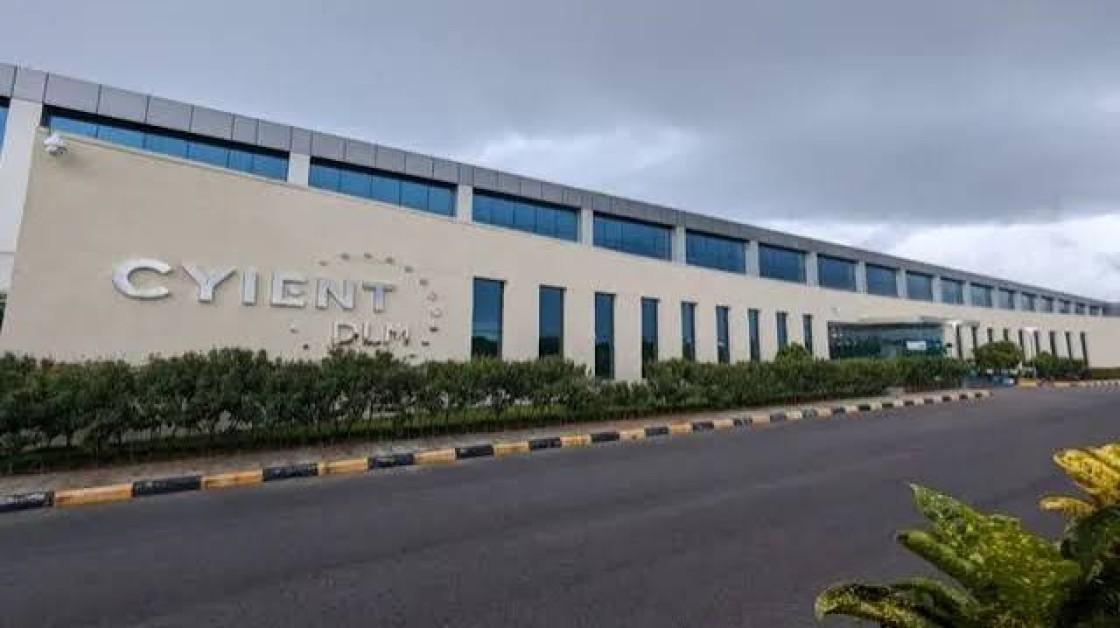
Cyient DLM Reports Record Order Book Amid Strong Aerospace Demand
Cyient DLM Limited reported a record order book of ₹2,813.7 crore for the second quarter of financial year 2026–27, supported by sustained demand from aerospace customers and continued momentum in its electronics manufacturing services business.
The Hyderabad-based company, which specialises in design-led manufacturing and electronic systems integration, highlighted aerospace as a key growth driver during the quarter ended September 30, 2026.
The order book represents a significant source of potential future revenue, subject to customer delivery schedules and successful execution.
The company's exposure to aerospace and defence programmes positions it within manufacturing segments characterised by demanding quality standards, long product lifecycles and complex supply-chain requirements.
However, an expanding order book does not automatically translate into immediate revenue or profit.
The timing of financial contributions depends on procurement, manufacturing, testing, customer acceptance and contractual milestones.
Cyient DLM's latest performance therefore places attention on both the strength of customer demand and its ability to convert contracted business into profitable deliveries.
Cyient DLM Q2 FY27: Key Business Highlights
|
Business indicator |
Q2 FY27 position |
|---|---|
|
Reported order book |
₹2,813.7 crore |
|
Order book status |
Record level |
|
Principal growth driver |
Aerospace business |
|
Other key end markets |
Defence, healthcare and industrial electronics |
|
Core business |
Electronics manufacturing services |
|
Manufacturing capabilities |
Printed circuit board assembly, box-build and systems integration |
|
Reporting period |
Quarter ended September 30, 2026 |
The reported order book is a measure of business awaiting execution and should not be confused with revenue already recognised.
Aerospace Business Supports Growth Momentum

Aerospace emerged as an important contributor to Cyient DLM's business performance during the September quarter.
The company provides electronic manufacturing and systems integration services for customers operating in technically demanding industries.
Aerospace electronics require high reliability, precise manufacturing processes and rigorous testing.
Products may be used in aircraft systems, communications equipment and other specialised applications.
Customer programmes often involve extended development, qualification and production cycles.
These characteristics can support longer-term supplier relationships once a manufacturer has been approved for a programme.
However, aerospace production schedules may also be influenced by aircraft manufacturers' delivery plans and supply-chain constraints.
For Cyient DLM, continued aerospace demand creates opportunities to expand its role in high-value manufacturing programmes.
Record ₹2,813.7 Crore Order Book Strengthens Revenue Visibility
Cyient DLM's order book reached ₹2,813.7 crore during Q2 FY27.
An order book generally represents the value of customer orders or contractual commitments that have not yet been fully executed, based on the company's reporting methodology.
A growing order book can provide manufacturers with greater visibility into future production requirements.
It may also support planning for materials, equipment and workforce capacity.
However, the value of an order book is not equivalent to guaranteed future profit.
Revenue recognition depends on the delivery of goods and services in accordance with applicable accounting standards.
Contract modifications, customer schedules and procurement delays can affect the timing of execution.
For Cyient DLM, the central operational challenge will be converting the record order book into revenue while maintaining margins and cash-flow discipline.
Q2 FY27 Revenue Increases 26.5% to ₹393.1 Crore
Cyient DLM reported consolidated revenue of ₹393.1 crore during the September quarter, compared with approximately ₹311 crore a year earlier.
The increase represents year-on-year growth of 26.5%.
Revenue growth was supported by execution across its core businesses, particularly aerospace and industrial electronics.
Defence and medical technology customers also contributed to business activity.
For an electronics manufacturing services company, revenue depends on customer production schedules, component availability, product mix and delivery milestones.
A growing order book can provide visibility into future activity, but actual revenue recognition depends on completed contractual obligations.
Cyient DLM's quarterly performance indicates that demand translated into higher sales during the reporting period.
Cyient DLM Q2 FY27 Financial Performance
|
Financial metric |
Q2 FY27 |
Year-on-year change |
|---|---|---|
|
Consolidated revenue |
₹393.1 crore |
+26.5% |
|
EBITDA |
₹34.2 crore |
+9.5% |
|
EBITDA margin |
8.7% |
Down from 10.1% |
|
Normalised profit after tax |
₹15.82 crore |
+25.8% |
|
Reported profit after tax |
₹34.0 crore |
Approximately +5.9% |
|
One-time earnout reversal gain |
₹18.2 crore |
Exceptional benefit |
|
Order book |
₹2,813.7 crore |
Record high |
|
Free cash flow |
₹17.2 crore |
Positive |
The results demonstrate revenue growth alongside pressure on operating margins.
They also highlight the importance of distinguishing reported net profit from normalised earnings.
Normalised Net Profit Rises 25.8%
Cyient DLM reported normalised profit after tax of ₹15.82 crore during Q2 FY27.
The figure represents year-on-year growth of 25.8%.
Normalised profit excludes the effect of an identified one-time item and provides an additional perspective on recurring earnings.
The normalised net profit margin stood at approximately 4%.
The increase indicates improved underlying earnings compared with the year-earlier period.
However, normalised profit remains a company-defined performance measure and should be evaluated alongside statutory reported earnings.
Investors should examine both figures when assessing financial performance.
The distinction is especially important when one-time accounting adjustments materially affect quarterly results.
Reported Profit Includes ₹18.2 Crore One-Time Gain
Cyient DLM reported consolidated profit after tax of ₹34 crore for Q2 FY27.
The reported figure included a one-time gain of ₹18.2 crore arising from an earnout reversal.
An earnout is a contractual arrangement under which additional consideration may become payable after an acquisition if specified conditions are met.
Changes in the assessment of these obligations can result in accounting adjustments.
Such adjustments may affect reported profit without representing recurring operating income.
Excluding the identified gain, the company reported normalised profit after tax of ₹15.82 crore.
This distinction is important because reported profit increased only approximately 5.9% year-on-year, while normalised profit rose 25.8%.
The two measures describe different aspects of the company's financial performance.
EBITDA Grows 9.5% but Margin Narrows
Cyient DLM's EBITDA increased 9.5% year-on-year to ₹34.2 crore.
However, the EBITDA margin declined to 8.7% from approximately 10.1% in Q2 FY26.
The decline indicates that operating earnings grew more slowly than revenue.
Several factors can influence margins in electronics manufacturing, including product mix, component costs, labour expenses and production efficiency.
Different customer programmes may also carry different profitability characteristics.
The available results establish that the operating margin narrowed, although they do not quantify the individual contribution of each potential factor.
For Cyient DLM, improving margins while expanding revenue will remain an important priority.
The company's future profitability will depend on manufacturing efficiency, contract execution and the mix of products delivered.
Order Book Increases ₹214.8 Crore Sequentially
Cyient DLM's order book increased by ₹214.8 crore from the preceding quarter.
This brought the total to ₹2,813.7 crore at the end of September 2026.
The sequential increase was approximately 8.3%.
A growing order book can support production planning and provide an indication of future business activity.
However, not all orders are necessarily scheduled for execution within the same financial year.
Long-duration aerospace and defence programmes may involve deliveries over extended periods.
The timing of revenue recognition will therefore depend on individual contracts.
For Cyient DLM, the record order book provides a stronger base for future execution.
Book-to-Bill Ratio Reaches 1.6
Cyient DLM reported a book-to-bill ratio of 1.6 during the quarter.
The ratio compares new orders received with revenue generated during the same period.
A ratio above 1 indicates that order intake exceeded recognised revenue.
This can support growth in the outstanding order book.
However, the ratio does not measure profitability or cash generation.
A high book-to-bill ratio may indicate strong commercial momentum, but future financial performance still depends on execution.
For Cyient DLM, the ratio of 1.6 is consistent with the sequential expansion of its order book.
It also suggests that new customer commitments continued to support the company's business pipeline.
Order Intake Rises 15.4% Year-on-Year
The company reported an 11% sequential increase in order intake.
Compared with the September 2025 quarter, order intake increased 15.4%.
The growth reflects continued customer demand across its business portfolio.
Order intake is an important indicator for manufacturing companies because it measures newly secured business.
However, the value of orders received may differ from revenue recognised in the same period.
Contract timing, delivery schedules and customer requirements can influence the relationship between the two measures.
For Cyient DLM, sustained order intake growth supports the outlook for future manufacturing activity.
The company will need to manage production capacity and working capital to execute the additional business.
Aerospace and Industrial Businesses Lead Growth
Cyient DLM identified aerospace and industrial electronics as the principal drivers of quarterly business momentum.
Defence and medical technology operations also contributed to growth.
These industries require specialised manufacturing capabilities and rigorous quality control.
Aerospace and defence customers frequently operate long-duration programmes with demanding technical requirements.
Industrial electronics customers may require equipment used in automation, infrastructure and other specialised applications.
Medical technology manufacturing also involves strict quality and regulatory requirements.
The company's exposure to these sectors provides opportunities to participate in complex, higher-value manufacturing activities.
However, customer concentration and programme timing can create fluctuations in quarterly revenue.
Three New Customers Added During the Quarter
Cyient DLM added three new customer logos during Q2 FY27.
The additions covered its established businesses and emerging growth areas.
Customer diversification can reduce dependence on individual programmes and create opportunities for future revenue.
However, onboarding a new customer does not necessarily result in immediate material sales.
Electronics manufacturing programmes may require qualification, testing and production preparation before commercial deliveries begin.
The company must also meet customer-specific requirements relating to quality, traceability and reliability.
For Cyient DLM, new customer additions support its strategy of expanding commercial relationships.
Their financial contribution will depend on the scale and execution of the resulting programmes.
Altek Electronics Integration Strengthens US Operations
During the quarter, Cyient DLM completed the integration of Altek Electronics, its acquired business in Connecticut, United States.
The company has been renamed Cyient DLM Electronics Inc.
The integration strengthens Cyient DLM's international manufacturing and customer-service footprint.
A presence in the United States can support relationships with customers that prefer regional manufacturing or supply-chain capabilities.
It may also provide access to additional programmes in specialised electronics manufacturing.
However, acquisitions involve integration requirements, including systems, processes and customer relationships.
The financial benefits depend on operating performance and the successful combination of business capabilities.
The one-time earnout reversal reported during the quarter should be considered separately from recurring manufacturing earnings.
Design-Led Manufacturing Supports Business Differentiation
Cyient DLM positions itself as a design-led manufacturing solutions provider.
Its capabilities extend beyond conventional electronics assembly.
The company supports design, manufacturing, testing, precision machining and certification-related activities.
This approach allows it to participate in different stages of the product lifecycle.
Customers in aerospace, defence and medical technology often require suppliers with specialised technical capabilities.
Manufacturing quality and product reliability are particularly important in these sectors.
By expanding its design-led manufacturing services, Cyient DLM aims to deepen customer relationships.
However, the commercial benefits depend on winning programmes and executing them profitably.
Aerospace Electronics Require High Reliability
Aerospace manufacturing involves stringent performance and quality requirements.
Electronic components may be used in systems where failure can have significant operational consequences.
Manufacturers must therefore maintain detailed production controls and testing procedures.
Customer qualification processes can also be lengthy.
Once a supplier is approved, the relationship may extend across multiple production cycles.
However, aerospace programmes remain exposed to changes in aircraft production schedules and customer demand.
For Cyient DLM, specialised manufacturing expertise provides opportunities to participate in these programmes.
The company's future aerospace growth will depend on its ability to meet customer requirements while maintaining cost competitiveness.
Defence Electronics Offers Long-Term Opportunities
Defence electronics is another important market for Cyient DLM.
The sector includes electronic systems used in communications, surveillance, control equipment and other applications.
Demand is influenced by government procurement programmes and defence manufacturers' production schedules.
India's efforts to expand domestic defence manufacturing create opportunities for qualified suppliers.
However, defence contracts may involve extended procurement and qualification processes.
Order execution can also depend on customer approvals and component availability.
For Cyient DLM, defence manufacturing provides an opportunity to expand its participation in specialised electronics.
The company's reported results indicate that defence customers contributed to quarterly growth, although aerospace and industrial businesses led the performance.
Industrial Electronics Supports Portfolio Diversification
Cyient DLM serves industrial customers requiring specialised electronic assemblies and systems.
Industrial electronics can be used in automation, equipment controls, infrastructure and other applications.
Demand is influenced by manufacturing investment, technology upgrades and capital expenditure cycles.
A diversified industrial customer base can provide additional revenue opportunities.
However, industrial spending may slow during periods of economic uncertainty.
The company must therefore manage exposure across different customer programmes.
The industrial segment's contribution to Q2 FY27 growth indicates continued activity in this part of the portfolio.
Sustaining momentum will depend on customer demand and successful manufacturing execution.
Medical Technology Manufacturing Adds Another Growth Market
Cyient DLM also serves medical technology customers.
Medical electronic products often require specialised manufacturing processes and quality assurance.
Manufacturers must comply with relevant product and regulatory requirements.
Customer relationships may involve extended qualification and validation processes.
These characteristics can create barriers to entry for suppliers lacking the necessary capabilities.
However, medical technology programmes also involve product-specific risks and customer demand uncertainty.
For Cyient DLM, the segment provides diversification beyond aerospace and defence.
The company reported that medical technology contributed to quarterly business growth.
Its future performance will depend on new programme wins and the execution of existing contracts.
AI Infrastructure and Data Centres Become New Focus Areas
Cyient DLM is exploring opportunities in artificial intelligence infrastructure and data-centre technologies.
These markets require specialised electronic systems and manufacturing capabilities.
AI infrastructure investment has increased demand for computing, power management and supporting hardware.
However, the commercial opportunity for individual manufacturers depends on the specific products they can supply.
The company is evaluating opportunities that align with its existing capabilities.
It has not established that these emerging markets will immediately become major revenue contributors.
For Cyient DLM, the strategy represents an effort to diversify into additional high-growth technology segments.
The financial benefits will depend on customer acquisition, product qualification and manufacturing execution.
Robotics and Semiconductor Equipment Offer Expansion Opportunities
The company has also identified robotics and semiconductor capital equipment as potential growth areas.
Robotics systems use electronic controls, sensors and other specialised components.
Semiconductor manufacturing equipment requires complex electronic and mechanical assemblies.
Both markets can involve demanding technical requirements.
Cyient DLM's design-led manufacturing capabilities may be relevant to certain applications.
However, entering these markets requires customer relationships and technical qualifications.
The company must also consider investment requirements and competition.
Management has indicated that it intends to invest selectively in these areas while maintaining focus on its existing businesses.
Free Cash Flow Reaches ₹17.2 Crore
Cyient DLM reported free cash flow of ₹17.2 crore during Q2 FY27.
Positive free cash flow indicates that the company generated cash after the relevant operating and investment requirements reflected in its calculation.
Cash generation is important for electronics manufacturers because they must purchase components and maintain inventories before receiving payment for completed deliveries.
Working capital requirements can increase as production expands.
Customer payment terms and inventory management can therefore influence cash flow.
For Cyient DLM, the positive quarterly figure reflects an improvement in cash generation.
However, cash flow can fluctuate between reporting periods.
Investors should evaluate the company's cash generation over multiple quarters alongside revenue and profit growth.
Working Capital Management Remains Important
Electronics manufacturing services businesses often operate with complex supply chains.
They may need to procure specialised components well before finished products are delivered.
Some components have long lead times or limited supplier availability.
Maintaining sufficient inventory can support production continuity.
However, excessive inventory can increase working capital requirements.
Customer delivery schedules and payment terms also affect cash conversion.
For Cyient DLM, the growing order book may create additional procurement and production requirements.
Efficient working capital management will be important as the company expands.
The ability to convert revenue into cash will remain a significant measure of operating performance.
Management Maintains Positive Growth Outlook
Managing Director and Chief Executive Officer Rajendra Velagapudi highlighted the company's strong growth momentum during Q2 FY27.
Management pointed to solid execution across key business segments and the record order book.
The company remains focused on strengthening its core manufacturing operations.
It also intends to invest selectively in emerging areas such as AI infrastructure, data centres, robotics and semiconductor equipment.
Management has expressed confidence in the business outlook, supported by customer demand and the outstanding order pipeline.
However, future growth will depend on the timing and profitability of order execution.
The company must also manage operating margins and cash flow as its business expands.
What Investors Should Monitor Next
The most important indicator will be the conversion of Cyient DLM's ₹2,813.7 crore order book into recognised revenue.
Investors will monitor whether the company sustains its book-to-bill ratio above 1.
The pace of new order intake will also influence future growth visibility.
Operating margins will remain important following the decline in EBITDA margin to 8.7%.
The distinction between normalised and reported profit will also matter when comparing earnings across quarters.
Other considerations include the integration of Cyient DLM Electronics Inc., customer diversification and working capital requirements.
The company's entry into emerging technology markets could create future opportunities, but these initiatives will need to demonstrate commercial results.
Conclusion
Cyient DLM reported strong business momentum during the second quarter of FY27, supported by aerospace and industrial electronics demand.
Consolidated revenue increased 26.5% year-on-year to ₹393.1 crore.
The company's order book reached a record ₹2,813.7 crore, increasing ₹214.8 crore sequentially.
Order intake rose 15.4% year-on-year, while the book-to-bill ratio reached 1.6.
Normalised profit after tax increased 25.8% to ₹15.82 crore.
However, the EBITDA margin declined to 8.7%, indicating that operating earnings grew more slowly than revenue.
Reported net profit of ₹34 crore included a one-time gain of ₹18.2 crore from an earnout reversal.
The company also completed the integration of its US acquisition and identified opportunities in AI infrastructure, robotics and semiconductor equipment.
For Cyient DLM, the central challenge will be converting its record order book into profitable revenue while maintaining manufacturing efficiency and cash-flow discipline.
 Cyient DLM Q2 FY27 Results: Aerospace Growth Lifts Order Book to Record ₹2,813.7 Crore FAQs

POST A COMMENT (0)
All Comments (0)
Replies (0)