




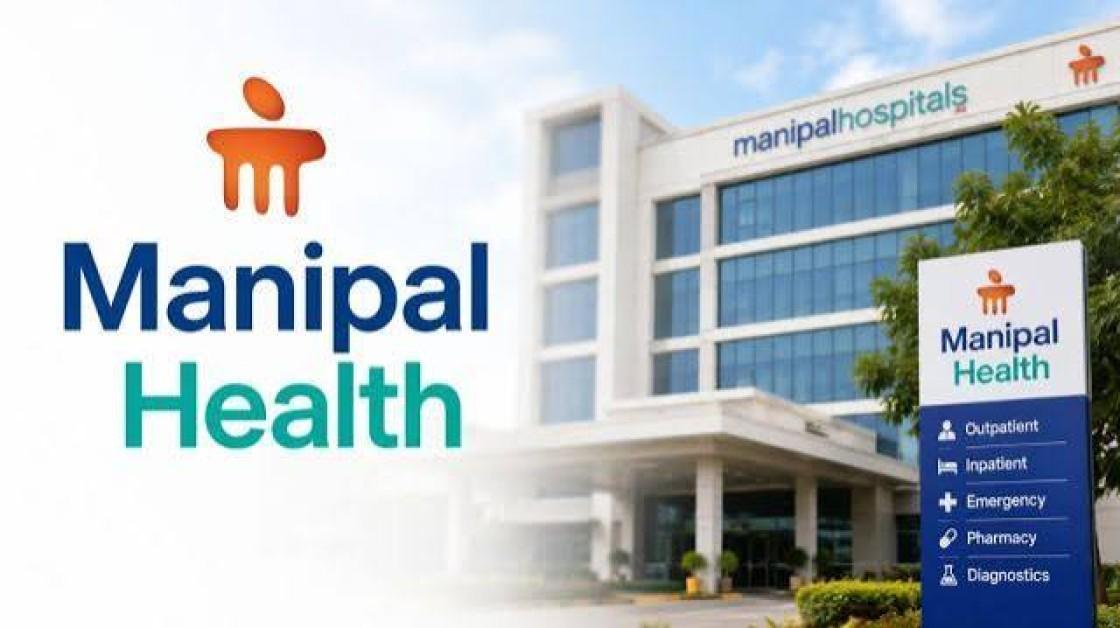
Manipal Health Finalises Acquisition of Kinder Women's Hospital in Bengaluru
Manipal Health Enterprises Limited has completed the acquisition of Kinder Women's Hospital and Fertility Centre in Bengaluru, strengthening its healthcare network and expanding its presence in one of India's major private healthcare markets.
The Bengaluru-headquartered hospital operator confirmed the completion on November 13, 2026, through a regulatory disclosure submitted to the National Stock Exchange and BSE.
The transaction involves the acquisition of the entire business operations and assets of Kinder Women's Hospital and Fertility Centre from Kindorama Healthcare Private Limited.
The hospital is located in the Doddanekundi Industrial Area of Bengaluru, Karnataka, near the city's established Whitefield healthcare market.
The acquisition follows a Business Transfer Agreement executed between Manipal Health Enterprises and Kindorama Healthcare on August 17, 2026.
The original transaction was valued at approximately ₹130 crore and involved a hospital with a capacity of 100 beds.
With the acquisition completed, Manipal Health can proceed with integrating the facility into its wider hospital network and implementing its operational plans.
The development reflects the company's strategy of expanding its healthcare operations through acquisitions and investments in hospital infrastructure.
Manipal Health–Kinder Hospital Acquisition: Key Details

|
Particulars |
Details |
|---|---|
|
Acquiring company |
Manipal Health Enterprises Limited |
|
Hospital acquired |
Kinder Women's Hospital and Fertility Centre |
|
Seller |
Kindorama Healthcare Private Limited |
|
Transaction value |
₹130 crore |
|
Acquisition structure |
Business transfer involving operations and assets |
|
Hospital location |
Doddanekundi Industrial Area, Bengaluru |
|
Existing hospital capacity |
100 beds |
|
Reported annual revenue |
₹20.75 crore for FY26 |
|
Business Transfer Agreement |
August 17, 2026 |
|
Acquisition completion |
November 13, 2026 |
|
Stock exchange disclosure |
Regulation 30 of SEBI LODR Regulations |
|
NSE symbol |
MANIPALHOS |
|
BSE code |
544847 |
The completion confirms that the transaction has been executed in accordance with the terms of the Business Transfer Agreement.
The company has not provided a separate revised transaction valuation in its November 13 completion disclosure.
Acquisition Follows August 2026 Business Transfer Agreement
Manipal Health originally announced the proposed acquisition on August 17, 2026.
At that time, the company entered into a Business Transfer Agreement with Kindorama Healthcare Private Limited for the hospital's operations and assets.
The agreement contemplated completion within approximately 90 days, subject to applicable statutory and customary conditions.
The November 13 announcement confirms that the acquisition has now been completed.
Timeline of the Transaction
|
Date |
Development |
|---|---|
|
August 17, 2026 |
Manipal Health executes Business Transfer Agreement |
|
August 2026 |
Proposed ₹130 crore transaction disclosed |
|
November 13, 2026 |
Acquisition successfully completed |
|
Next phase |
Operational integration and development of the acquired facility |
The distinction between signing and completion is important.
Signing an acquisition agreement establishes the terms under which a transaction is intended to proceed.
Completion confirms that the transaction has been carried out under those terms.
For Manipal Health, the latest disclosure removes the uncertainty associated with whether the announced acquisition would close.
However, the operational and financial benefits will depend on the subsequent integration and performance of the hospital.
What Is Kinder Women's Hospital and Fertility Centre?
Kinder Women's Hospital and Fertility Centre is a healthcare facility in Bengaluru associated with specialised services for women and children.
The hospital operates in a healthcare segment that includes maternity, gynaecology, fertility treatment and related medical services.
Its location in Doddanekundi places it within the broader eastern Bengaluru healthcare market.
The facility has a reported capacity of 100 beds.
Key Healthcare Services
Obstetrics and maternity care
Obstetric services cover medical care during pregnancy, childbirth and the period following delivery.
Gynaecology
Gynaecological services address medical conditions affecting the female reproductive system.
Fertility services
Fertility centres evaluate and treat certain conditions that affect the ability to conceive.
Neonatal care
Neonatal services provide medical care for newborn babies, including those requiring specialised attention.
Paediatric services
Paediatric care focuses on the medical needs of infants, children and adolescents.
The precise range of services available after integration will depend on Manipal Health's operational decisions.
The company has not announced a detailed service restructuring plan in its acquisition completion disclosure.
Why Manipal Health Acquired Kinder Women's Hospital
The acquisition aligns with Manipal Health's strategy of expanding its hospital network through a combination of organic development and acquisitions.
Organic expansion generally involves building new facilities or increasing capacity at existing hospitals.
Acquisition-led expansion allows a healthcare operator to add an established facility to its network.
The Kinder Hospital transaction provides Manipal Health with an existing hospital property, operating infrastructure and healthcare business in Bengaluru.
Strengthening the Bengaluru Network
Bengaluru is an important healthcare market with demand for general and specialised medical services.
The city has a large population and an established private hospital ecosystem.
The addition of Kinder Hospital expands Manipal Health's physical presence in the eastern part of the city.
Adding Existing Hospital Capacity
The acquisition adds a facility with 100 beds to the company's portfolio.
However, the number of beds available for use after integration will depend on operational decisions, infrastructure readiness and applicable licensing requirements.
Expanding Specialised Healthcare Capabilities
Kinder Hospital's established focus on women's healthcare and fertility services provides a specialised healthcare platform.
Manipal Health may evaluate how these services fit within its broader hospital network.
Potential Operational Integration
The company could seek efficiencies through procurement, administrative systems, clinical support and shared infrastructure.
However, the actual benefits will depend on implementation and should not be assumed before they are demonstrated.
Manipal Health May Develop Kinder Hospital Into a Multispecialty Facility
Earlier management commentary indicated that the acquired hospital could be remodelled into a multispecialty facility.
Such a conversion would represent a potential change from a predominantly specialised healthcare model toward a broader range of medical services.
A multispecialty hospital generally provides treatment across several clinical disciplines.
These may include internal medicine, surgery, orthopaedics, cardiology and other specialties, depending on the hospital's infrastructure and staffing.
What a Multispecialty Conversion Could Involve
Converting an existing hospital may require changes to clinical departments, medical equipment and supporting infrastructure.
The operator may also need to evaluate staffing, operating theatres, diagnostic facilities and patient care systems.
Such changes can involve additional capital expenditure and regulatory requirements.
Manipal Health has not disclosed a final renovation budget, implementation schedule or confirmed list of new departments for the acquired facility.
The hospital's future operating model will therefore be an important development to monitor.
Understanding the ₹130 Crore Acquisition Valuation
The transaction was originally announced at a consideration of ₹130 crore.
Kinder Hospital reported revenue of approximately ₹20.75 crore for the financial year ended March 31, 2026.
These figures provide a basic indication of the transaction's financial scale.
Acquisition Financial Snapshot
Acquisition value
₹130 Cr
FY26 revenue
₹20.75 Cr
Hospital capacity
100 Beds
Deal value / FY26 revenue
6.27×
The transaction value is equivalent to approximately ₹1.30 crore per existing hospital bed.
However, this calculation should not be treated as a complete valuation measure.
Hospital acquisition prices can reflect real estate, medical equipment, business operations, location and future development potential.
The company's announcement does not provide sufficient information to calculate a detailed earnings-based valuation.
Manipal Health Reports Strong Q2 FY27 Financial Performance
The acquisition completion coincides with Manipal Health's financial results for the quarter ended September 30, 2026.
The company reported consolidated revenue from operations of approximately ₹3,399.4 crore, representing year-on-year growth of 37.3%.
EBITDA increased by approximately 29.8% to ₹882.2 crore.
Profit after tax, excluding exceptional items, increased by approximately 21.6% to ₹380.2 crore.
Q2 FY27 Financial Highlights
|
Financial indicator |
Q2 FY27 |
|---|---|
|
Revenue from operations |
₹3,399.4 crore |
|
Revenue growth |
37.3% YoY |
|
EBITDA |
₹882.2 crore |
|
EBITDA growth |
29.8% YoY |
|
EBITDA margin |
Approximately 26.0% |
|
PAT excluding exceptional items |
₹380.2 crore |
|
Adjusted PAT growth |
21.6% YoY |
|
Hospital occupancy |
70.1% |
|
Average revenue per occupied bed per day |
₹70,600 |
The results indicate growth in the company's reported healthcare operations.
However, Kinder Hospital's acquisition was completed after the September quarter.
The acquired facility's post-completion financial contribution should therefore not be attributed to Manipal Health's Q2 FY27 results.
Financial Impact of the Kinder Hospital Acquisition
The acquisition could affect Manipal Health's future revenue, expenses and capital expenditure.
However, the scale of the financial impact will depend on the hospital's operating performance and integration plans.
Revenue Contribution
Kinder Hospital reported annual revenue of ₹20.75 crore for FY26.
Future revenue may differ depending on patient volumes, clinical services, pricing and the hospital's operating model.
The historical revenue figure should not be interpreted as a guaranteed future contribution.
Integration Expenses
The company may incur expenses associated with combining administrative, clinical and technology systems.
Any renovation or expansion would create additional costs.
Operating Efficiency
Integration into a larger hospital network may provide opportunities for procurement and administrative efficiencies.
The extent of these benefits will depend on the facility's operating requirements.
Capital Expenditure
If Manipal Health proceeds with a multispecialty conversion, investment may be required in medical equipment and infrastructure.
No specific project budget has been disclosed for this conversion.
Profitability
The acquired hospital's future profitability will depend on occupancy, medical services, operating expenses and capital requirements.
The acquisition completion disclosure does not provide a forecast of earnings contribution.
Manipal Health Continues Expanding Its Hospital Network
Manipal Health operates a large network of multispecialty hospitals across India.
Its services span outpatient care, inpatient treatment and complex tertiary and quaternary medical procedures.
The company's expansion strategy includes acquisitions, new hospital developments and additions to existing facilities.
The Kinder Hospital acquisition forms part of this broader growth programme.
Recent Expansion Developments
Manipal Health has also announced plans for a new hospital development in Gurugram.
In November 2026, the company disclosed a long-term lease arrangement involving approximately 3.5 acres of land for a proposed multispecialty hospital.
The first phase is expected to provide capacity of up to 500 beds.
The Gurugram project remains a separate development from the completed Kinder Hospital acquisition.
Together, these announcements demonstrate the company's use of different expansion approaches.
Acquisitions can provide access to existing facilities, while new hospital developments allow capacity to be built according to planned requirements.
Both approaches involve distinct financial and operational considerations.
Bengaluru's Private Healthcare Market Remains Important
Bengaluru is one of India's established markets for private healthcare services.
The city has a concentration of hospitals, specialist clinics and diagnostic facilities.
Its expanding residential and commercial areas create demand for healthcare infrastructure across different parts of the metropolitan region.
Eastern Bengaluru includes major residential and employment centres such as Whitefield and surrounding localities.
The Kinder Hospital acquisition provides Manipal Health with an additional facility serving this broader market.
Factors Influencing Healthcare Demand
Population growth
Changes in the city's population can affect demand for medical services.
Healthcare accessibility
Patients often consider travel time and proximity when selecting hospitals.
Specialised treatment requirements
Demand for specialised care depends on medical needs, service availability and referral networks.
Insurance coverage
Health insurance arrangements can influence access to private hospital services.
Hospital infrastructure
Clinical facilities, medical professionals and equipment affect the range of treatments available.
These factors will influence the acquired hospital's future operating performance.
Women's Healthcare and Fertility Services Remain Specialised Markets
Women's healthcare includes a broad range of medical services addressing reproductive health, pregnancy, childbirth and other conditions.
Fertility treatment is a specialised area requiring clinical expertise, diagnostic capabilities and appropriate laboratory infrastructure.
The acquisition of a hospital with an established focus on these services provides Manipal Health with access to a specialised healthcare business.
However, the company's future strategy may involve broadening the facility's clinical offering.
Fertility Treatment Services
Fertility centres may provide diagnostic evaluations and assisted reproductive services, depending on their licensing and capabilities.
Treatment options vary according to patients' medical circumstances.
Maternity Services
Maternity care involves monitoring pregnancy, supporting childbirth and managing related medical needs.
Neonatal and Paediatric Care
These services support newborns and children requiring medical attention.
Integrated Healthcare
A broader hospital network may allow coordination between specialised services and other medical departments.
The clinical and commercial benefits of integration will depend on the services ultimately provided at the acquired facility.
Why Hospital Acquisitions Are Important for Healthcare Companies
Hospital acquisitions allow healthcare operators to expand through existing infrastructure.
Building a new hospital can require substantial investment, construction time and regulatory approvals.
Acquiring an operating facility may provide access to established infrastructure and an existing patient base.
However, acquisitions also create integration challenges.
Potential Advantages
An acquired hospital may already possess operating facilities, medical equipment and clinical teams.
The buyer can evaluate opportunities to improve operations or introduce additional services.
Integration Challenges
Different hospitals may use different administrative systems, procurement arrangements and clinical procedures.
Aligning these operations can require time and investment.
Financial Considerations
The acquisition price must be assessed against expected revenue, profitability and future capital expenditure.
Patient Care Considerations
Maintaining continuity of medical services is important during changes in ownership or management.
For Manipal Health, successful integration of Kinder Hospital will require balancing operational objectives with clinical service quality.
Manipal Health Share Price in Focus Following Acquisition Completion
Manipal Health Enterprises shares may attract investor attention following confirmation that the Kinder Hospital acquisition has been completed.
The company's shares trade under the symbol MANIPALHOS on the National Stock Exchange and under code 544847 on BSE.
The acquisition represents a completed corporate transaction rather than a newly proposed investment.
However, investors will evaluate its significance alongside the company's overall operating scale and financial performance.
Key Factors Investors Will Monitor
Investors are likely to assess the acquired hospital's contribution to revenue and profitability.
They may also examine the cost of integration and any planned renovation.
The company's broader hospital expansion programme, occupancy rates and operating margins will remain important.
Additional information about the Kinder facility's future clinical services could provide greater clarity on its long-term role within the network.
The acquisition does not guarantee an immediate increase in earnings or share price.
Risks and Challenges Associated With the Acquisition
Although the transaction has been completed, operational risks remain.
Integration Risk
Combining the acquired hospital with Manipal Health's systems and procedures may require operational changes.
Capital Expenditure Risk
A multispecialty conversion could involve additional investment beyond the acquisition price.
Patient Volume Risk
Hospital revenue depends partly on patient demand and the utilisation of clinical facilities.
Staffing Requirements
Hospitals require qualified medical professionals, nursing staff and support personnel.
Competition
Bengaluru has an established private healthcare market with multiple hospital operators.
Regulatory Compliance
Healthcare facilities must comply with applicable medical, safety and operational requirements.
Profitability Risk
Revenue growth does not automatically translate into higher profits if operating expenses and capital costs increase.
These considerations will influence the long-term success of the transaction.
What Happens Next for Manipal Health?
Following the completion of the acquisition, the next phase will involve operational integration.
Manipal Health may evaluate the hospital's infrastructure, clinical services and development requirements.
The company's previously indicated plan to remodel the facility into a multispecialty hospital will be an important area to monitor.
However, no definitive conversion timeline has been disclosed.
Future financial statements may provide greater clarity on the acquired facility's contribution to revenue and operating performance.
Investors will also monitor the company's wider hospital expansion programme, including new facilities and other acquisitions.
For Manipal Health, the successful integration of Kinder Hospital will depend on clinical operations, financial discipline and the ability to serve patients effectively.
Conclusion
Manipal Health Enterprises Limited's completion of the ₹130 crore acquisition of Kinder Women's Hospital and Fertility Centre marks another step in its expansion across India's private healthcare industry.
The transaction, completed on November 13, 2026, follows a Business Transfer Agreement signed with Kindorama Healthcare Private Limited on August 17.
The acquisition includes the hospital's entire business operations and assets in Bengaluru's Doddanekundi Industrial Area.
With an existing capacity of 100 beds and reported FY26 revenue of ₹20.75 crore, the facility adds an established healthcare business to Manipal Health's network.
The company has also indicated plans to evaluate a broader multispecialty operating model for the hospital.
The transaction supports Manipal Health's strategy of expanding through acquisitions and hospital infrastructure investments.
However, the financial contribution will depend on integration, patient volumes, operating efficiency and any additional capital expenditure.
For investors, the key developments to monitor will be the hospital's future service portfolio, operational performance and contribution to consolidated earnings.
The acquisition strengthens Manipal Health's presence in Bengaluru while illustrating the continuing role of consolidation and infrastructure investment in India's private hospital sector.
 Manipal Health Completes ₹130 Crore Kinder Women's Hospital Acquisition in Bengaluru FAQs

POST A COMMENT (0)
All Comments (0)
Replies (0)