





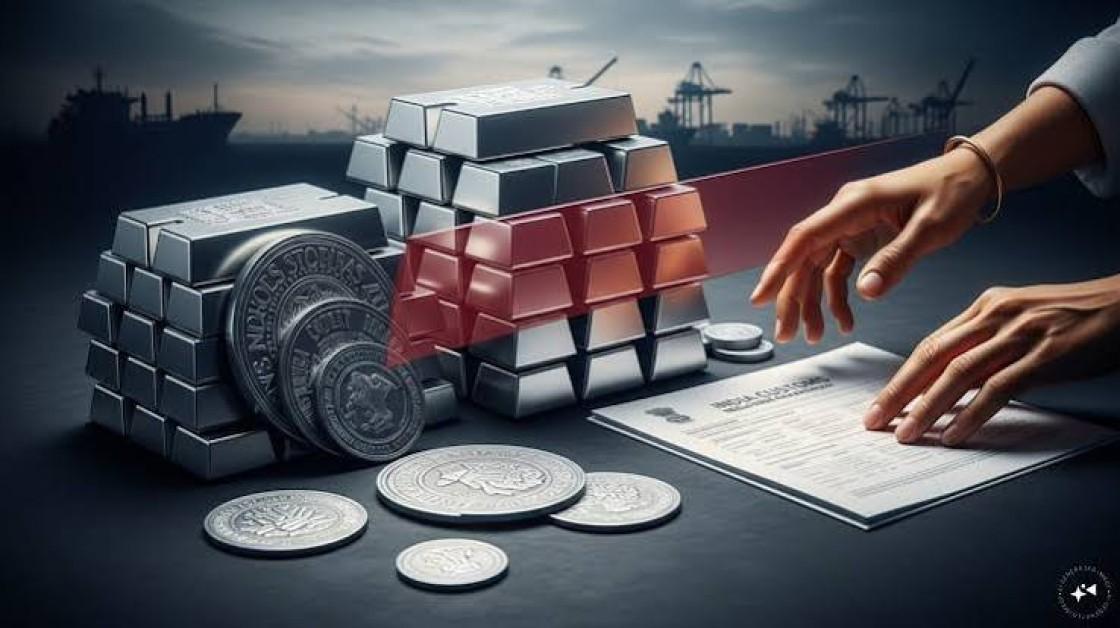
India Tightens Silver Import Rules to Support the Rupee and Manage External Trade Balance
The Government of India has tightened regulations governing silver imports as part of its broader efforts to manage import demand, support the Indian rupee, and strengthen the country's external trade position. The move reflects the government's focus on maintaining macroeconomic stability while balancing domestic demand for precious metals with external sector considerations.
The revised import framework is expected to improve oversight of silver imports and contribute to a more balanced foreign exchange environment amid evolving global market conditions.
Why Silver Import Rules Have Been Tightened

Silver is a significant imported commodity used across jewellery, investment, electronics, solar energy, and industrial applications. Large import volumes can increase foreign currency outflows and influence the country's trade balance.
The updated rules are intended to:
- Improve monitoring of silver imports
- Manage foreign exchange outflows
- Support the stability of the Indian rupee
- Strengthen trade administration
- Encourage orderly import practices
- Enhance transparency in the precious metals trade
- Promote balanced external sector management
The policy forms part of broader efforts to maintain macroeconomic and financial stability.
Impact on the Indian Economy
Tighter import regulations could help improve the management of India's external account while supporting currency stability.
Potential economic benefits include:
- Better management of import demand
- Reduced pressure on foreign exchange reserves
- Improved trade balance
- Enhanced policy predictability
- Greater macroeconomic resilience
- Support for long-term financial stability
- Strengthened external sector confidence
The overall impact will depend on global silver prices, domestic demand, and international trade trends.
Implications for Businesses
The revised framework may affect businesses involved in importing, processing, and trading silver.
Industries likely to monitor the changes include:
- Jewellery manufacturers
- Bullion traders
- Precious metals importers
- Electronics manufacturers
- Solar equipment producers
- Industrial component manufacturers
Companies may need to adjust procurement strategies and inventory planning in response to the revised regulations.
Effect on the Rupee
Managing imports of high-value commodities can help moderate pressure on foreign currency demand.
The policy may contribute to:
- Improved currency stability
- Better foreign exchange management
- Reduced volatility in external payments
- Stronger investor confidence
- Enhanced macroeconomic discipline
While import measures alone do not determine currency movements, they can support broader efforts to maintain orderly market conditions.
Challenges and Considerations
Despite the revised import rules, several external factors continue to influence India's trade and currency outlook.
These include:
- Global silver prices
- International commodity markets
- Exchange rate fluctuations
- Domestic industrial demand
- Global economic conditions
- Inflation trends
- Trade policy developments
Businesses and policymakers will continue monitoring these variables to assess the effectiveness of the new framework.
What Businesses and Investors Should Watch
Market participants are expected to monitor:
- Silver import volumes
- Government policy notifications
- Rupee exchange rate movements
- Precious metals prices
- Trade deficit trends
- Foreign exchange reserves
- Global commodity markets
- Import compliance requirements
These indicators will provide a clearer picture of the policy's impact on trade and financial markets.
Outlook
India is expected to continue adopting targeted trade and import management measures aimed at protecting macroeconomic stability while ensuring adequate supplies for domestic industries. As global commodity markets remain volatile, balanced import policies are likely to play an important role in supporting the rupee and strengthening the country's external sector.
Conclusion
India's decision to tighten silver import rules reflects a broader strategy to manage foreign exchange outflows, support the rupee, and maintain a healthy external trade balance. While the revised regulations may require businesses to adapt their import strategies, they are intended to reinforce financial stability and strengthen confidence in the country's macroeconomic framework.
 India Tightens Silver Import Rules to Support the Rupee and Trade Stability FAQs
POST A COMMENT (0)
All Comments (0)
Replies (0)