




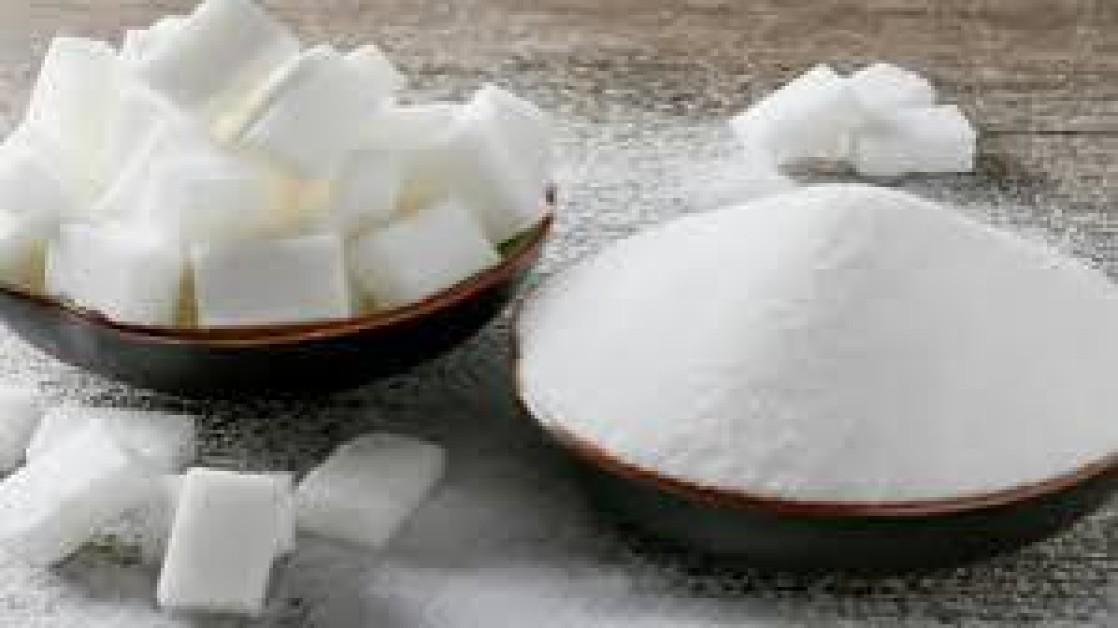
India Reopens Duty-Free Raw Sugar Import Applications for 215,044 Tonnes
The Indian government has invited fresh applications for the duty-free import of approximately 215,044 metric tonnes of raw sugar, giving eligible domestic sugar mills and refiners until November 27, 2026, to seek allocations under the existing Tariff Rate Quota (TRQ) scheme.
The Directorate General of Foreign Trade (DGFT), operating under the Ministry of Commerce and Industry, announced the fresh application window on November 18 as part of efforts to utilise the remaining quantity under India's previously approved one-million-tonne raw sugar import quota.
The decision comes as the government continues managing domestic sugar availability and prices following supply concerns earlier in the year.
The latest window does not represent an additional import quota. Instead, it allows eligible companies to apply for quantities that were either left unallocated or surrendered by previous quota holders.
The import scheme remains valid until December 31, 2026, following an extension announced in October.
Key Details of India's Latest Raw Sugar Import Announcement

|
Particulars |
Details |
|---|---|
|
Announcement date |
November 18, 2026 |
|
Fresh import allocation available |
215,043.859 tonnes |
|
Rounded quantity |
215,044 tonnes |
|
Total original import quota |
1 million tonnes |
|
Previously allocated quantity |
812,450 tonnes |
|
Previously unallocated quantity |
187,550 tonnes |
|
Surrendered allocation |
27,493.859 tonnes |
|
Application deadline |
November 27, 2026 |
|
Import quota validity |
December 31, 2026 |
|
Responsible authority |
DGFT |
|
Eligible applicants |
Sugar mills and refiners with operational refining capacity |
|
Application platform |
DGFT Import Management System |
The government has opened the application process through Public Notice No. 41/2026-27.
The notification retains the eligibility conditions and procedural requirements established under earlier notices governing the import quota.
Why India Has Invited Fresh Applications for Raw Sugar Imports
India originally announced a duty-free raw sugar import quota of 10 lakh tonnes on August 20, 2026.
The decision was introduced against the backdrop of elevated domestic sugar prices and concerns over supply availability.
The government sought to increase the quantity of sugar available for domestic consumption by permitting eligible mills and refiners to import raw sugar without paying the applicable import duty within the specified quota.
However, not all the available quantity was allocated during the earlier application rounds.
Some companies also surrendered previously allocated quantities.
As a result, a substantial portion of the original quota remained available.
The DGFT has now reopened applications to facilitate the allocation of this balance before the extended import window expires.
The measure provides another opportunity for sugar processors to evaluate whether importing raw sugar is commercially viable under prevailing market conditions.
How the Remaining 215,044-Tonne Sugar Import Quota Was Calculated
The remaining quota consists of two components: quantities that were never allocated and quantities surrendered by companies that had previously received authorisations.
Breakdown of available raw sugar quota
Unallocated quota
187,550 tonnes
Surrendered quota
27,493.859 tonnes
Total available
215,043.859 tonnes
According to the DGFT's figures, 812,450 tonnes had previously been allocated.
Of that amount, 27,493.859 tonnes was surrendered by the original recipients.
Adding the surrendered quantity to the 187,550 tonnes that remained unallocated produces the total now available.
The fresh invitation is therefore a reallocation exercise rather than an expansion of the government's original import authorisation.
Who Is Eligible to Apply for Duty-Free Raw Sugar Imports?
The application window is restricted to eligible sugar mills and refiners that possess their own functional capacity to process imported raw sugar into white or refined sugar.
The requirement is intended to ensure that the imported commodity can be processed through operational domestic facilities.
Applicants must satisfy the eligibility conditions specified under the original TRQ framework.
These include demonstrating refining capacity and submitting the prescribed documentation.
The government has retained the earlier procedural requirements, including scrutiny of applications and verification of processing capacity.
The eligibility framework limits participation to qualifying processors rather than allowing unrestricted imports by commodity traders.
This distinction is important because the import scheme is designed to support domestic sugar availability through processing and sale in the Indian market.
How Sugar Mills and Refiners Can Apply Before November 27
Eligible applicants must submit their requests through the Directorate General of Foreign Trade's online system.
Applications are to be filed under the Tariff Rate Quota section of the Import Management System.
The application process involves the submission of company information, requested quantities and documents demonstrating eligibility.
Applicants are required to provide information about their operational refining capacity.
Supporting documents may include a valid Consent to Operate issued by the relevant State Pollution Control Board or other acceptable evidence of processing capacity.
The DGFT evaluates applications in accordance with the prescribed allocation procedures.
Applicants should ensure that their submissions are complete and accurate because incorrect declarations can attract regulatory consequences.
The November 27 deadline is particularly important given the limited time remaining before the quota's December 31 expiry.
Government Extends Duty-Free Import Window Until December 31
India initially permitted duty-free raw sugar imports under the one-million-tonne quota until October 31, 2026.
However, the government subsequently extended the validity period.
Through Notification No. 45/2026-27, dated October 19, the DGFT extended the import window to December 31, 2026.
The extension gave eligible companies additional time to arrange procurement, shipping and import clearance.
It also created an opportunity for the government to reallocate quantities that remained unused.
The November application window is linked to this extended validity period.
Importers must therefore consider not only the allocation deadline but also the time required to arrange international purchases and complete the applicable import procedures.
The extension does not remove the need to comply with the existing quota conditions.
Falling Domestic Sugar Prices Affect Import Economics
The commercial attractiveness of raw sugar imports has changed since the government introduced the original quota.
India's earlier decision was intended to address unusually high domestic sugar prices.
However, government price-management measures and changes in market conditions subsequently contributed to a decline in domestic prices.
This has affected the economics of importing raw sugar.
Sugar mills and refiners must compare international procurement prices with domestic selling prices while accounting for freight, insurance, handling and processing costs.
Even when import duty is waived, imported sugar may not be commercially attractive if the landed and refining costs exceed the expected domestic selling price.
This helps explain why some previously allocated quantities were surrendered.
The availability of duty-free import authorisation therefore does not guarantee that the entire quota will be utilised.
Actual imports will depend on international prices, domestic market conditions and the ability of individual companies to complete commercially viable transactions.
What the Duty-Free Sugar Import Scheme Means for Domestic Prices
The government's decision could influence domestic sugar prices if the newly allocated quantities result in additional imports and refined sugar supply.
An increase in available sugar can help reduce supply pressure, particularly when domestic production is insufficient to meet demand.
For consumers, improved availability may contribute to more stable retail prices.
Sugar is widely used in households, packaged foods, beverages, confectionery and traditional sweets.
Changes in its price can therefore affect both household expenditure and food-processing businesses.
For industrial buyers, more predictable sugar availability can support production planning and cost management.
However, the impact on retail prices will depend on the quantity actually imported, the timing of processing and distribution, and broader domestic supply conditions.
The announcement itself does not establish that consumer prices will fall.
Impact on Indian Sugar Mills and Refiners
The fresh allocation window creates opportunities for eligible sugar processors but also introduces commercial considerations.
Mills with operational refining capacity may benefit from access to imported raw sugar if international procurement costs are competitive.
Processing imported raw sugar can help facilities utilise available capacity and maintain operations.
However, mills must evaluate whether refining imported sugar will generate adequate margins.
The cost of procurement, shipping, financing and processing can materially affect profitability.
Domestic sugar producers may also face additional competition if imports increase market supply.
The overall effect on individual companies will depend on their production costs, inventory levels, refining capabilities and exposure to domestic sugar prices.
For businesses considering applications, the limited remaining import period increases the importance of procurement and logistics planning.
India's Sugar Industry Balances Consumer Prices and Producer Interests
Sugar policy in India involves balancing several competing economic considerations.
The government seeks to maintain adequate sugar availability for consumers while supporting the financial stability of mills and the agricultural economy.
Sugarcane cultivation provides income to farmers across several major producing states, including Uttar Pradesh, Maharashtra and Karnataka.
Sugar mills depend on the sale of processed sugar and related products to generate revenue and meet payment obligations to farmers.
When sugar prices rise sharply, consumers and food manufacturers face higher costs.
However, a substantial decline in sugar prices can reduce mill revenues and place pressure on profitability.
Import decisions must therefore be considered alongside domestic production, inventory levels, sugarcane prices and industry financial conditions.
The current TRQ mechanism provides a targeted means of increasing potential supply without permanently removing the broader import policy framework.
Potential Implications for International Sugar Markets
India is a major participant in the global sugar economy, both as a producer and as a consumer.
Changes in its import requirements can influence international trading expectations.
The fresh allocation of approximately 215,044 tonnes could create additional demand for raw sugar from international suppliers.
However, the actual impact will depend on how much of the available quota is allocated and subsequently utilised.
International exporters may view the announcement as an opportunity to supply Indian processors.
At the same time, lower domestic sugar prices could discourage imports if the cost of foreign sugar remains comparatively high.
Global sugar prices are influenced by production conditions in major exporting countries, weather developments, energy markets and demand from importing economies.
India's import activity is one factor within this broader international market.
Why the November 27 Application Deadline Matters
The November 27 deadline leaves eligible sugar mills and refiners with a limited period to seek allocations.
The deadline is particularly significant because the overall duty-free import window expires on December 31.
Companies must consider the time needed for application review, allocation, international contracting and shipment arrangements.
A short remaining import period may influence which applicants can realistically utilise the available quantity.
Processors with established supplier relationships, operational refining facilities and access to financing may be better positioned to complete imports within the permitted timeframe.
However, allocation decisions remain subject to the DGFT's applicable procedures and eligibility requirements.
The government's immediate objective is to make the unused quota available to qualifying processors before the scheme expires.
What Happens After the Application Window Closes?
Following the November 27 deadline, the DGFT will process eligible applications under the existing TRQ allocation framework.
The authority will assess the applications and determine allocations in accordance with the prescribed procedures.
Successful applicants will need to comply with the conditions attached to their import authorisations.
The subsequent volume of actual imports will depend on whether companies proceed with international procurement and complete the necessary procedures within the permitted period.
The government may also monitor the impact of imports on domestic sugar availability and prices.
There is no guarantee that the entire remaining quota will be imported.
The outcome will depend on commercial viability, logistical capacity and the decisions of eligible mills and refiners.
Conclusion
India's decision to invite fresh applications for the duty-free import of 215,044 tonnes of raw sugar represents another step in managing domestic sugar availability under the existing one-million-tonne Tariff Rate Quota scheme.
The November 18 announcement allows eligible sugar mills and refiners to apply until November 27, while the overall import authorisation remains valid through December 31, 2026.
The available quantity consists of previously unallocated sugar and allocations surrendered by earlier recipients.
Although the scheme could increase domestic sugar availability and support price stability, its actual impact will depend on international procurement costs, domestic market prices and the quantity ultimately imported.
For sugar processors, the new window presents an opportunity to secure duty-free raw sugar, provided imports remain commercially viable.
The effectiveness of the measure will become clearer after the allocation process concludes and the industry determines how much of the available quota can be utilised before the year-end deadline.
 India Opens Fresh Bids for 215,044 Tonnes of Duty-Free Raw Sugar Imports Until November 27 FAQs

POST A COMMENT (0)
All Comments (0)
Replies (0)