





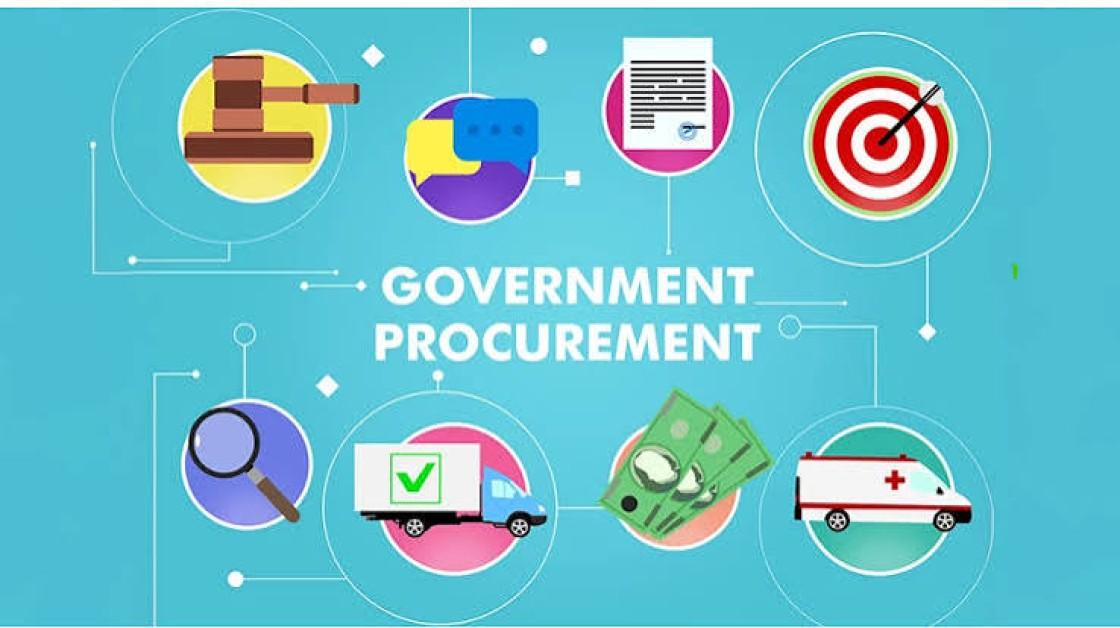
Government Procurement Ecosystem Moves Toward Greater Digitalisation as Public-Sector Tendering Platforms Expand
India's public procurement ecosystem is moving further toward digitalisation as platforms such as the Government e-Marketplace and the Central Public Procurement Portal expand their reach across ministries, public-sector enterprises, state agencies and other government buyers.
The shift is changing how public institutions purchase goods and services by moving more supplier discovery, bidding, price comparison and tender management online.
GeM has now facilitated more than ₹20 lakh crore of cumulative procurement since its launch in 2016, while gross merchandise value reached ₹1.47 lakh crore during the first four months of FY27 alone. (The Economic Times)
GeM Crosses ₹20 Lakh Crore Procurement Milestone

The Government e-Marketplace has become one of the central pillars of India's digital procurement architecture.
The platform is used by central and state ministries, departments, public-sector undertakings and other eligible government organisations to purchase goods and services electronically. (Gem Portal)
Its cumulative procurement value crossing ₹20 lakh crore demonstrates how significantly digital platforms have moved into mainstream government purchasing. (The Economic Times)
FY27 Procurement Momentum Remains Strong
GeM recorded gross merchandise value of approximately ₹1.47 lakh crore during the first four months of FY27.
That level of activity indicates that digital public procurement is no longer limited to selected categories or departments.
The platform increasingly handles procurement across a broad range of goods and services.
This growing scale can support:
-
Greater supplier participation
-
Faster purchasing
-
Better price discovery
-
Standardised procurement
-
Improved transaction records
-
Greater transparency
Government Wants More State Agencies on GeM
Commerce and Industry Minister Piyush Goyal has called for greater participation by state agencies, municipal corporations and panchayats as GeM enters its second decade. (The Economic Times)
Expanding adoption across these layers of government could significantly increase procurement volumes.
State and local institutions collectively purchase enormous quantities of:
-
Equipment
-
Vehicles
-
Technology
-
Office supplies
-
Healthcare products
-
Services
-
Infrastructure-related inputs
Greater participation could therefore enlarge the addressable market available to suppliers through the platform.
District-Level Expansion Could Broaden Supplier Access
Extending digital procurement deeper into districts can create opportunities for smaller businesses that historically had limited access to government contracts.
Traditional public procurement could be difficult for small suppliers because of:
-
Limited tender visibility
-
Complex documentation
-
Geographic barriers
-
Administrative processes
-
Established supplier networks
Digital platforms can reduce some of these barriers by making opportunities visible nationally through searchable online systems.
Uttar Pradesh Shows Scale of State Adoption
Uttar Pradesh has crossed ₹1 lakh crore in cumulative procurement through GeM since joining the platform, accounting for more than 30% of procurement undertaken by Indian states through the marketplace. (The Times of India)
The state's scale illustrates how large public procurement volumes can move through digital systems once government departments adopt them extensively.
Strong state participation also increases opportunities for local and national suppliers.
Digital Procurement Can Improve Price Competition
GeM was designed partly to improve transparency, efficiency and speed in government procurement.
The platform includes mechanisms such as:
-
E-bidding
-
Reverse auctions
-
Demand aggregation
-
Online product comparison
These tools can increase price competition among suppliers. (Gem Portal)
When multiple qualified sellers compete electronically, public buyers may obtain better pricing than through less transparent procurement processes.
Reverse Auctions Can Lower Procurement Costs
Reverse auctions change the traditional auction structure.
Instead of buyers bidding increasingly higher prices, suppliers compete by offering progressively lower prices for a government contract.
This can work particularly well for standardised products where specifications are clearly defined.
Potential categories can include:
-
Computers
-
Office equipment
-
Electronics
-
Furniture
-
Vehicles
-
Standard services
The effectiveness of reverse auctions still depends on ensuring that quality and delivery standards are not sacrificed solely for lower prices.
Digital Records Improve Auditability
One of the most important benefits of e-procurement is the creation of structured digital records.
Electronic systems can record:
-
Tender publication
-
Supplier bids
-
Pricing
-
Award decisions
-
Purchase orders
-
Contract modifications
-
Delivery status
This provides a clearer audit trail than procurement processes heavily dependent on physical paperwork.
Improved auditability can strengthen accountability across public spending.
CPPP Remains Important for Government Tenders
The Central Public Procurement Portal provides another important component of India's digital tendering ecosystem.
The platform allows government organisations to publish tenders and enables bidders to download tender documents and submit bids electronically. (eProcurement India)
The portal also provides access to information including:
-
Active tenders
-
Closing dates
-
Bid openings
-
Corrigenda
-
Contract awards
This helps create a more transparent national tender-information environment.
GeM and CPPP Serve Complementary Functions
India's digital procurement ecosystem is broader than a single platform.
GeM operates as an electronic marketplace for government purchases, while CPPP and related e-procurement systems provide structured tendering infrastructure.
Together, these systems can support different procurement requirements ranging from relatively standard goods to more complex contracts.
Integration and standardisation across platforms could make public procurement easier for suppliers navigating multiple government buyers.
MSMEs Could Be Major Beneficiaries
Digital public procurement can create significant opportunities for micro and small enterprises.
Smaller businesses often struggle to compete for government contracts because of limited market access.
Online platforms can help them identify opportunities beyond their immediate geography.
Potential benefits include:
-
Wider customer access
-
Greater tender visibility
-
Reduced physical paperwork
-
More transparent competition
-
Faster transaction processes
Government procurement can become an important source of stable demand for growing MSMEs.
Chhattisgarh Demonstrates MSME Participation
Chhattisgarh's procurement through GeM increased sharply and reached ₹3,935 crore, while approximately ₹1,800 crore of orders went to micro and small enterprises. (Navbharat Times)
The state also reported savings of about ₹130 crore through open competition.
These figures illustrate two potential benefits of digital procurement operating simultaneously:
Lower public-sector purchasing costs and broader supplier participation.
Women Entrepreneurs Can Gain Wider Access
Digital marketplaces can also lower distribution barriers for women-owned enterprises and other historically underrepresented suppliers.
Physical procurement systems can favour businesses with established networks near administrative centres.
Online marketplaces can broaden access by allowing businesses to participate from different locations.
The actual impact depends on:
-
Registration requirements
-
Digital literacy
-
Working capital
-
Product eligibility
-
Tender qualification
Training and onboarding therefore remain important.
Startups Can Participate in Government Demand
Government procurement can also provide valuable early customers for startups.
Technology businesses often struggle to secure their first large institutional clients because buyers prefer vendors with established track records.
Digital procurement frameworks can potentially create clearer routes for startups offering:
-
Software
-
Cybersecurity
-
AI tools
-
Cloud services
-
Industrial technology
-
Digital solutions
Government contracts can provide both revenue and market credibility.
Public-Sector Enterprises Represent Large Opportunity
Public-sector undertakings are substantial buyers across industries including energy, transportation, infrastructure and manufacturing.
Their procurement requirements can involve:
-
Engineering equipment
-
IT systems
-
Consulting
-
Industrial components
-
Maintenance services
-
Vehicles
-
Safety equipment
Greater digitalisation can make these opportunities easier to discover while strengthening procurement oversight.
Municipal Corporations Could Become Major Next Growth Area
Municipal bodies purchase significant quantities of goods and services but often operate with fragmented procurement systems.
Greater adoption of GeM could standardise purchasing across categories such as:
-
Waste-management equipment
-
Street lighting
-
Vehicles
-
IT systems
-
Maintenance services
-
Public infrastructure supplies
Large-scale municipal adoption could therefore become an important next phase of digital procurement growth.
Panchayat Participation Could Extend Market Deep Into Rural India
Panchayats collectively represent a large potential procurement base.
Their purchasing requirements can include equipment and services for:
-
Local infrastructure
-
Water
-
Sanitation
-
Public facilities
-
Digital systems
-
Community services
Bringing more local bodies onto digital platforms could create demand for suppliers operating outside major cities.
It could also strengthen transparency at lower levels of public administration.
Digital Tendering Can Reduce Geographic Barriers
Before digital procurement, companies might need to monitor multiple newspapers, offices or department websites to discover opportunities.
Centralised online portals simplify this process.
A supplier in one state can potentially identify opportunities issued by buyers elsewhere.
This can expand competition and reduce dependence on local relationships.
Standardisation Can Reduce Administrative Costs
Government departments can benefit when procurement processes become more standardised.
Common digital workflows can reduce repetitive administrative tasks involving:
-
Vendor registration
-
Documentation
-
Bid management
-
Purchase orders
-
Payment tracking
Automation can free procurement officials to focus more heavily on specifications, contract management and supplier performance.
Procurement Data Can Improve Policy Decisions
Digital systems generate substantial amounts of procurement data.
Governments can potentially analyse this information to identify:
-
Spending patterns
-
Frequently purchased products
-
Supplier concentration
-
Regional demand
-
Pricing differences
-
Procurement delays
Better data can improve budgeting and purchasing strategy.
It can also help identify categories where aggregated procurement could produce cost savings.
Demand Aggregation Can Improve Buying Power
When multiple government organisations require similar products, digital platforms can aggregate demand.
Larger combined orders can improve bargaining power.
For example, governments purchasing large quantities of:
-
Laptops
-
Vehicles
-
Medical supplies
-
Office equipment
may obtain better prices through aggregated procurement than through numerous small individual purchases.
This represents another way technology can improve public-spending efficiency.
AI Could Become Part of Procurement Technology
Artificial intelligence could eventually play a larger role in public procurement systems.
Potential applications include:
-
Tender matching
-
Fraud detection
-
Price benchmarking
-
Supplier-risk analysis
-
Procurement forecasting
-
Document review
AI tools could help procurement officials process large amounts of information more efficiently.
However, automated systems would need strong transparency and human oversight because government procurement decisions have significant financial and legal consequences.
Fraud Detection Could Improve With Digital Data
Centralised procurement data can help identify unusual transaction patterns.
Potential warning signals could include:
-
Repeated awards to the same supplier
-
Unusual pricing
-
Suspicious bid patterns
-
Abnormal procurement timing
-
Related supplier activity
Data analytics can support auditors and procurement authorities in identifying transactions requiring closer review.
Technology cannot eliminate procurement risk, but it can improve visibility.
Cybersecurity Becomes More Important
As government procurement shifts online, cybersecurity becomes increasingly critical.
Platforms contain:
-
Supplier information
-
Tender documents
-
Commercial bids
-
Payment information
-
Government purchasing data
Systems therefore need robust protections against:
-
Cyberattacks
-
Data theft
-
Credential fraud
-
Bid manipulation
-
Platform outages
The growing scale of digital procurement makes operational resilience essential.
Supplier Verification Remains Critical
Digital marketplaces still need systems to verify that participating sellers are legitimate and capable of fulfilling contracts.
Verification can involve:
-
Business registration
-
Tax information
-
Product certification
-
Financial records
-
Past performance
Weak verification could allow low-quality or fraudulent suppliers onto public platforms.
Trust therefore depends on balancing easy access with effective compliance controls.
Lowest Price Should Not Always Be the Only Criterion
Digital platforms can improve price competition, but public procurement also needs to consider quality.
For complex services and equipment, procurement decisions may need to evaluate:
-
Technical capability
-
Reliability
-
Lifecycle costs
-
Maintenance
-
Experience
-
Performance standards
A system overly focused on the lowest upfront bid can potentially create higher long-term costs.
Digital procurement should therefore support better evaluation rather than simply cheaper purchasing.
Contract Management Is the Next Important Frontier
Selecting a supplier is only the beginning of procurement.
Governments also need to monitor whether contracts are executed properly.
Digital systems can potentially track:
-
Delivery milestones
-
Service-level agreements
-
Payment schedules
-
Performance
-
Penalties
Better contract management could improve the value generated from public spending after tenders are awarded.
Faster Payments Could Help Small Suppliers
MSMEs can face cash-flow pressure when government payments are delayed.
Digital procurement systems can potentially create better visibility into invoice and payment status.
Faster payment cycles would make public contracts more attractive to smaller companies.
This is particularly important because businesses may need to finance production before receiving payment from government customers.
Digital Procurement Supports Formalisation
Participating in formal government marketplaces can encourage small businesses to improve:
-
Tax compliance
-
Digital invoicing
-
Documentation
-
Quality standards
-
Banking relationships
This can help companies become more integrated into the formal economy.
Government procurement can therefore act as both a source of demand and a mechanism supporting business formalisation.
Public Procurement Can Support Industrial Policy
Government purchasing is not only an administrative function.
Large public-sector demand can influence industrial development.
Procurement rules can potentially support:
-
Domestic manufacturing
-
MSMEs
-
Startups
-
Sustainable products
-
Local innovation
Digital systems make it easier to track whether these policy objectives are actually being achieved.
Sustainable Procurement Gains Attention
Government purchasing can also be used to encourage environmentally responsible products and services.
Digital platforms can potentially identify or prioritise products based on criteria such as:
-
Energy efficiency
-
Recycled materials
-
Low emissions
-
Resource efficiency
As India's sustainability policies evolve, procurement could become another mechanism for increasing demand for greener products.
Universities Could Expand Procurement Participation
The government has also called for greater engagement by universities with GeM. (The Economic Times)
Higher education institutions purchase a wide range of specialised goods and services, including:
-
Laboratory equipment
-
Computers
-
Software
-
Research instruments
-
Professional services
Bringing more universities onto common digital procurement systems could increase transparency while providing suppliers with another substantial institutional market.
Businesses Need Stronger Digital Tender Capabilities
As public procurement becomes increasingly digital, suppliers need stronger internal capabilities.
Companies may need teams that can handle:
-
Tender discovery
-
Online bidding
-
Documentation
-
Compliance
-
Digital signatures
-
Bid pricing
-
Contract monitoring
Winning government business increasingly requires operational familiarity with digital procurement platforms.
Competition Could Increase for Existing Vendors
Greater transparency can also make government contracting more competitive.
Suppliers that historically relied on longstanding relationships may face more bidders.
This can pressure:
-
Prices
-
Margins
-
Market share
However, well-run businesses may gain access to a much larger national market than was previously practical.
What Businesses Should Watch
India's expanding digital procurement ecosystem puts several developments in focus:
-
GeM procurement growth
-
State adoption
-
Municipal onboarding
-
Panchayat participation
-
CPPP tender volumes
-
MSME orders
-
Procurement reforms
-
Payment timelines
-
AI integration
-
Cybersecurity
The next stage will depend on how effectively digital systems spread beyond central ministries into the wider public sector.
Outlook
India's government procurement ecosystem is entering a more mature stage of digitalisation.
GeM crossing ₹20 lakh crore of cumulative procurement demonstrates the scale already achieved, while the government's push to onboard more states, municipal bodies, panchayats and universities suggests significant room for further expansion. (The Economic Times)
The potential benefits are substantial: stronger competition, greater transparency, broader MSME access and improved procurement data.
The challenge will be maintaining quality, cybersecurity, supplier verification and efficient contract execution as transaction volumes continue expanding.
Conclusion
India's shift toward digital public procurement is transforming one of the largest channels through which government demand reaches businesses.
GeM, CPPP and related e-tendering platforms are replacing fragmented procurement processes with increasingly centralised, searchable and auditable digital systems. (Gem Portal)
The cumulative value of procurement through GeM has already crossed ₹20 lakh crore, while further adoption by states and local bodies could significantly enlarge the marketplace. (The Economic Times)
For businesses, particularly MSMEs and newer suppliers, the opportunity lies in gaining direct access to a much larger public-sector customer base.
For government, the larger prize is using digital technology to make procurement more competitive, transparent and efficient while ensuring that taxpayer spending delivers stronger value.
 India Expands Digital Public Procurement as GeM and E-Tendering Platforms Gain Scale FAQs
POST A COMMENT (0)
All Comments (0)
Replies (0)