





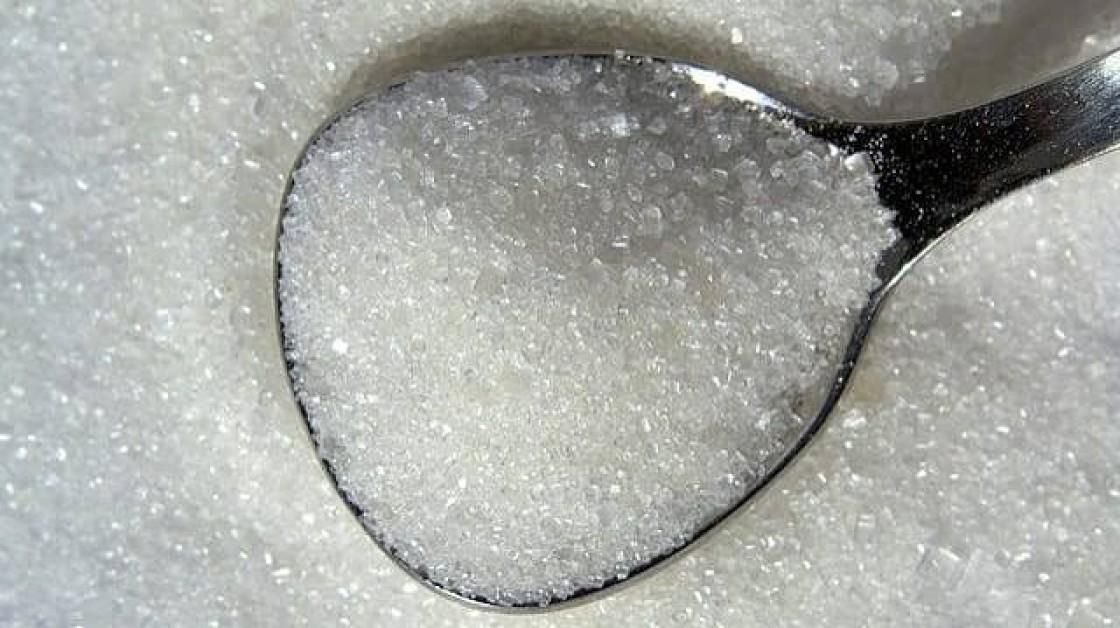
India Bans Sugar Exports Through September to Safeguard Domestic Supplies
The Indian government has decided to continue the ban on sugar exports through September, prioritising domestic availability and price stability amid evolving supply conditions. The move is aimed at ensuring sufficient sugar stocks for domestic consumption while helping contain food inflation and maintaining stability in the country's agricultural commodity market.
India is among the world's largest producers and consumers of sugar, making policy decisions on exports closely watched by domestic producers, global commodity traders and food manufacturers.
Export Restrictions Aim to Protect Domestic Supply

The continuation of export restrictions is intended to ensure adequate sugar availability within the country.
The policy seeks to:
-
Maintain domestic supply
-
Stabilise retail prices
-
Support food security
-
Manage inventory levels
-
Reduce supply disruptions
-
Balance domestic demand
-
Improve market stability
-
Monitor production trends
The government's approach reflects its focus on balancing producer interests with consumer affordability.
Food Inflation Remains a Policy Priority
Food prices continue to play an important role in India's inflation outlook.
Sugar prices influence:
-
Household consumption
-
Food manufacturing
-
Beverage production
-
Confectionery industry
-
Hospitality sector
-
Retail inflation
-
Wholesale prices
-
Consumer spending
Stable food prices remain an important objective for economic policymakers.
Domestic Demand Continues to Be Strong
India's large population and expanding food processing industry contribute to steady sugar demand.
Major consuming sectors include:
-
Households
-
Beverage manufacturers
-
Food processing companies
-
Confectionery producers
-
Hotels and restaurants
-
Dairy products
-
Bakery industry
-
Packaged food manufacturers
Domestic demand remains the primary consideration in sugar supply management.
Sugar Industry Monitors Production Levels
The industry's outlook depends on agricultural production and weather conditions.
Important factors include:
-
Sugarcane output
-
Monsoon performance
-
Crop yields
-
Recovery rates
-
Inventory levels
-
Processing capacity
-
Farmer participation
-
Regional production
Production trends influence future policy decisions regarding exports and domestic distribution.
Impact on Global Sugar Trade
As one of the world's leading sugar producers, India's export policies can influence international commodity markets.
Potential market effects include:
-
Global sugar availability
-
International prices
-
Trade flows
-
Export opportunities
-
Import demand
-
Commodity volatility
-
Supply expectations
-
Market sentiment
Global traders continue monitoring India's production and policy announcements.
Farmers and Sugar Mills Continue Operations
While exports remain restricted, the domestic sugar value chain continues to operate normally.
Industry participants focus on:
-
Sugarcane procurement
-
Mill operations
-
Inventory management
-
Farmer payments
-
Production efficiency
-
Logistics
-
Storage
-
Working capital
Operational efficiency remains essential for maintaining industry stability.
Government Balances Multiple Objectives
The government's sugar policy aims to balance the interests of consumers, farmers and the industry.
Key policy priorities include:
-
Price stability
-
Consumer protection
-
Farmer welfare
-
Industrial sustainability
-
Food security
-
Inflation management
-
Rural income
-
Market stability
Balancing these objectives remains central to agricultural commodity management.
Commodity Markets Closely Watch Policy
Agricultural commodity markets remain sensitive to government policy decisions.
Market participants monitor:
-
Export regulations
-
Production estimates
-
Stock levels
-
Weather conditions
-
Domestic demand
-
International prices
-
Trade policy
-
Government announcements
Policy clarity helps improve planning across the agricultural supply chain.
Broader Agricultural Outlook
India's agriculture sector continues benefiting from ongoing investment in productivity and infrastructure.
Long-term priorities include:
-
Irrigation
-
Crop productivity
-
Supply chain efficiency
-
Storage infrastructure
-
Food processing
-
Rural logistics
-
Technology adoption
-
Sustainable farming
These initiatives support greater resilience across agricultural markets.
Risks to Monitor
Industry participants should continue monitoring:
-
Monsoon conditions
-
Sugarcane production
-
Inventory levels
-
Domestic consumption
-
Global sugar prices
-
Inflation
-
Government policy
-
International trade
-
Climate conditions
-
Input costs
These factors could influence future decisions on export restrictions.
What Investors Should Watch
Key indicators include:
-
Sugar production estimates
-
Government policy updates
-
Domestic sugar prices
-
Inventory levels
-
Monsoon progress
-
Sugar mill performance
-
Farmer payments
-
Commodity market trends
-
Food inflation
-
Global sugar prices
These metrics will help assess the outlook for India's sugar industry.
Outlook
The continuation of sugar export restrictions through September reflects the government's emphasis on maintaining domestic supply and containing food inflation.
Future policy decisions are expected to depend on sugarcane production, inventory availability, domestic demand and overall market conditions.
If production remains healthy and inventories improve, authorities may reassess export policies in subsequent review periods.
Conclusion
India's decision to continue restricting sugar exports through September underscores the importance of ensuring adequate domestic supplies while maintaining price stability.
The policy highlights the government's balanced approach to managing agricultural commodities by protecting consumers without undermining the long-term sustainability of the sugar industry.
Investors, commodity traders and food manufacturers will continue monitoring production trends, government announcements and domestic market conditions for indications of future policy changes.
 India Bans Sugar Exports Through September to Safeguard Domestic Supplies FAQs
POST A COMMENT (0)
All Comments (0)
Replies (0)