NEW INDIA LITERACY PROGRAMME (NILP)
The New India Literacy Programme (NILP) aims to enhance literacy rates, focusing on adult education, skill development, and lifelong learning across the nation.

 Government Scheme
The New India Literacy Programme (NILP) aims to enhance literacy rates, focusing on adult education, skill development, and lifelong learning across the nation.
Pradhan Mantri Awas Yojna (PMAY) aims to provide affordable housing for all, offering subsidies and financial assistance for homeownership in both rural and urban areas.
The National Rural Livelihood Mission - CASP (NRLM) aims to uplift rural communities through skill development, women empowerment, and sustainable livelihood opportunities.
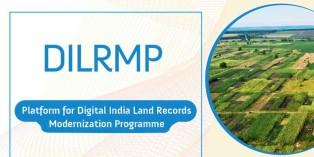
The Digital India Land Records Modernisation Programme (DILRMP) aims to digitize land records, improve land management, and ensure transparency in property transactions.
Rashtriya Uchhatar Shiksha Abhiyan (RUSA) aims to enhance higher education quality, improve university infrastructure, and promote academic excellence across India.
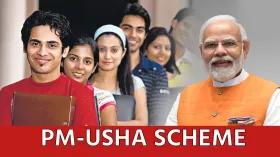
Pradhan Mantri Uchhatar Shiksha Abhiyan (PM-USHA) aims to enhance the quality of higher education, improve infrastructure, and promote academic excellence in universities.

The Payment for Indigenous Urea scheme supports Indian farmers by providing subsidies on indigenous urea, ensuring affordable fertilizer access for crop production.
Swachh Bharat Abhiyan is a nationwide cleanliness drive aimed at improving sanitation, hygiene, and waste management across India for a cleaner, healthier nation.
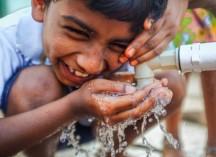
The National Rural Drinking Water Programme ensures access to safe and clean drinking water in rural areas, improving health and water infrastructure across India.
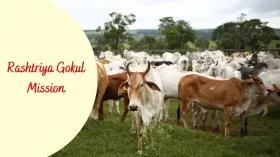
Rashtriya Gokul Mission aims to conserve and improve indigenous cattle breeds, promote dairy farming, and enhance rural livelihoods through livestock development.
The National Rural Employment Guarantee Scheme (MGNREGA) ensures job opportunities in rural areas, focusing on employment generation, poverty alleviation, and rural development.

The "Assistance to Other Institutions" program provides financial support and resources to various institutions, enhancing their capacity for growth and development.
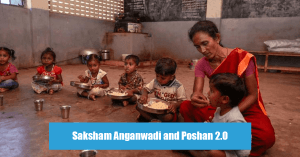
Saksham Anganwadi and POSHAN 2.0 aim to improve nutrition and health for children and adolescent girls through ICDS, Anganwadi services, and the National Crèche Scheme.
SRESHTA is a government scheme providing residential education to SC students in high schools in targeted areas, aiming for educational upliftment and empowerment.
PM AJAY is a government initiative aimed at empowering Scheduled Castes and Tribes in India through education, skill development, economic upliftment, and social welfare.

Project Tiger and Elephant aim to conserve India's endangered species by protecting habitats and ensuring sustainable growth for tigers and elephants.
The National AYUSH Mission (NAM) focuses on strengthening and integrating traditional medicine systems like Ayurveda and Yoga into mainstream healthcare for overall wellness.
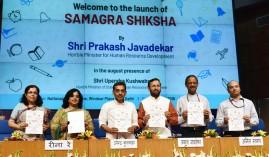
Samagra Shiksha focuses on the holistic development of students by improving infrastructure, quality education, and teacher training, ensuring inclusive learning for all.
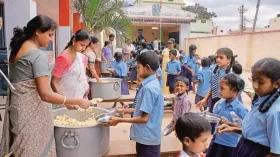
Pradhan Mantri Poshan Shakti Nirman focuses on improving nutrition for children in schools by offering healthy mid-day meals, empowering education and wellness.
Government schemes in India play a pivotal role in shaping the socio-economic landscape of the country. These schemes are designed to address a myriad of issues ranging from poverty alleviation, healthcare, and education to employment generation and infrastructure development. The importance of these schemes cannot be overstated as they directly impact millions of lives, aiming to create a more equitable society.
Government schemes are initiatives launched by the government to tackle specific problems or to promote welfare and development within the country. These schemes often come with predefined objectives, eligibility criteria, and benefits that target different sections of society.
A government scheme is essentially a planned program or a series of actions undertaken by the government to achieve a particular goal. The purpose of these schemes can vary widely from providing financial assistance to the poor, enhancing infrastructure, promoting education, improving healthcare, and more.
The concept of government schemes in India dates back to the pre-independence era. However, post-independence, the scope and number of these schemes have expanded significantly, with successive governments introducing various programs to address emerging challenges and to promote national development.
Government schemes in India can be broadly categorized based on their objectives and target areas. Here are some of the primary categories:
These schemes aim to improve the quality of life for the disadvantaged sections of society. They often provide direct financial assistance, food security, and housing.
Focused on the overall development of infrastructure and urbanization, these schemes target the enhancement of physical and digital infrastructure across the country.
These programs aim to generate employment opportunities and ensure job security for the unemployed and underemployed.
Designed to promote literacy and higher education, these schemes provide scholarships, financial aid, and infrastructure development in educational institutions.
Focused on improving healthcare facilities and making healthcare accessible to all, these schemes include health insurance, free medical services, and nutritional programs.
These initiatives support farmers through subsidies, financial aid, and technological advancements in farming practices.
India has a plethora of government schemes, each with significant contributions to various sectors. Here are some of the most impactful ones:
This financial inclusion program aims to provide universal access to banking facilities, financial literacy, and financial stability.
Aiming to provide affordable housing, this scheme targets both urban and rural areas to ensure everyone has a home.
This act provides a legal guarantee for at least 100 days of paid employment per year to adult members of rural households.
A national health protection scheme that provides health insurance to economically disadvantaged families.
Aims to clean up the streets, roads, and infrastructure of India's cities and rural areas.
Government schemes have a profound impact on various aspects of society and the economy.
By injecting funds into various sectors and promoting financial stability among citizens, these schemes contribute to the overall economic growth of the country.
Many schemes directly target poverty by providing financial aid, employment opportunities, and essential services to the poor.
Improvements in healthcare, education, and living standards contribute to the overall social development and well-being of the population.
Schemes focusing on healthcare and education have led to better health outcomes and higher literacy rates, which are crucial for the country's long-term development.
Despite their benefits, government schemes in India face several challenges.
Corruption at various levels can hinder the effective implementation of these schemes, leading to funds being siphoned off or misused.
Challenges in infrastructure, bureaucratic delays, and lack of coordination among various agencies can impede the successful rollout of schemes.
Many eligible beneficiaries are unaware of the schemes or find it difficult to access the benefits due to complex application processes or lack of information.
There are numerous success stories where individuals and communities have significantly benefited from government schemes.
For example, under the PMJDY, many previously unbanked individuals have gained financial independence and stability.
In states like Kerala and Himachal Pradesh, effective implementation of healthcare and education schemes has resulted in impressive social development indicators.
The future of government schemes looks promising with ongoing and upcoming initiatives aiming to address evolving challenges.
New schemes are continually being introduced to tackle emerging issues such as climate change, digital transformation, and urbanization.
To improve the effectiveness of these schemes, recommendations include better monitoring and evaluation mechanisms, increased transparency, and enhanced community participation.
Government schemes in India are vital tools for promoting economic and social development. They have the potential to transform lives by providing essential services and opportunities to the underprivileged. While challenges persist, the ongoing efforts to improve and expand these schemes promise a brighter future for all citizens.
 Unlock Financial Benefits with Government Scheme - Latest Updates FAQs