





By Naina, 15th June 2026
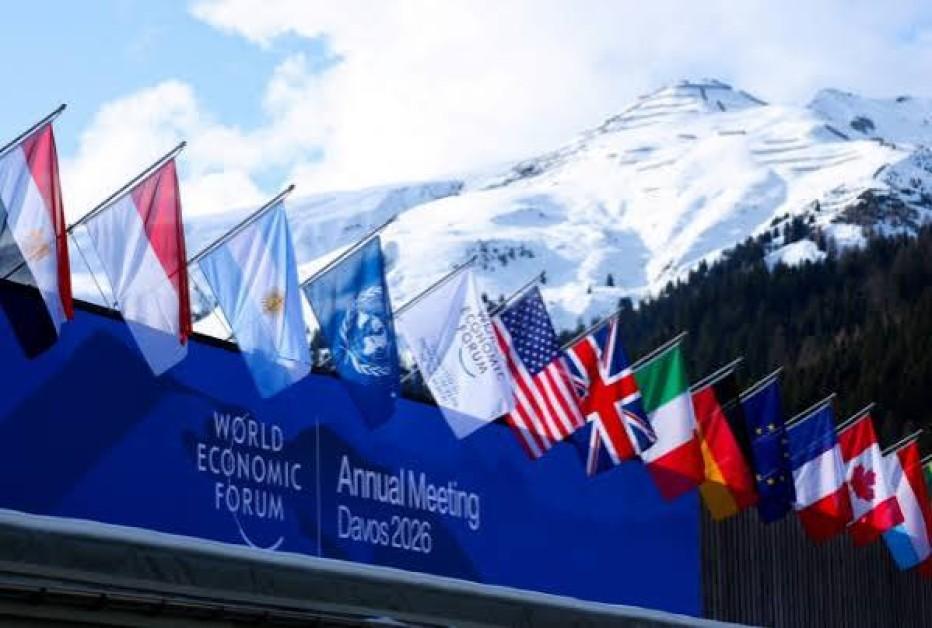
India's participation at the World Economic Forum Annual Meeting at Davos 2026 has emerged as one of the most consequential dimensions of contemporary Indian global economic engagement, and the cumulative architecture through which India progressively built its WEF Davos 2026 presence represents one of the most comprehensive subnational and national engagements with the broader global economic discourse in modern Indian economic diplomacy. For most of the modern history of Indian global engagement, WEF Davos operated as one of the central venues for Indian engagement with the broader global economic community, with Indian participation progressively building one of the most consequential annual engagements with global business and policy stakeholders. The current cycle has produced a fundamentally mature Indian WEF Davos engagement that operates through a comprehensive participation architecture comprising the central government engagement led by Union Ministers, the broader state-level participation through dedicated state pavilions, the cumulative Indian business engagement through over 100 CEOs and the broader institutional architecture supporting Indian WEF Davos engagement. India's strong presence at WEF Davos 2026 included four Union Ministers — Ashwini Vaishnaw, Shivraj Singh Chouhan, Pralhad Joshi and K Rammohan Naidu — focusing on key areas including infrastructure, digital transformation, manufacturing, energy transition and the broader range of strategic considerations.
What sits beneath this comprehensive engagement is a deeper transformation in how India positions itself within the broader global economic discourse. The combination of the comprehensive Indian delegation engagement, the broader integration of multiple Indian states into the WEF Davos participation, the rising significance of Indian economic narrative in shaping global economic conversations, the cumulative impact of Indian engagement on global perceptions of the Indian economy and the broader strategic significance of Indian WEF Davos engagement has produced a participation that earlier generations of Indian global engagement could not have approached. The decisions reflected in India's WEF Davos 2026 participation will continue to shape the broader Indian global economic engagement for the next generation. This analysis surveys India's participation at WEF Davos 2026 and the broader strategic significance of the engagement.
The Strategic Engagement Framework
India's strategic engagement at WEF Davos 2026 reflected the broader institutional commitment to global economic engagement that earlier Indian governments progressively built into one of the most consequential dimensions of contemporary Indian global engagement. The combination of the comprehensive Indian delegation, the broader range of supporting institutional initiatives, the rising significance of Indian engagement at global venues and the cumulative impact on Indian global positioning has reinforced the broader strategic significance.
The Department for Promotion of Industry and Internal Trade (DPIIT) participation in WEF Davos 2026 has emerged as one of the most consequential institutional dimensions of the broader Indian engagement. The combination of DPIIT's institutional positioning, the broader integration of DPIIT into Indian investment promotion activity and the cumulative impact on Indian WEF Davos engagement has provided the foundational institutional architecture supporting the broader Indian participation.
The Confederation of Indian Industry (CII) coordination has been particularly consequential. CII has been appointed as the nodal agency for coordinating activities related to the India Pavilion, providing the principal institutional coordination for the broader Indian WEF Davos engagement. The combination of CII's institutional positioning, the broader integration of CII into Indian business diplomacy and the cumulative impact on Indian WEF Davos engagement has reinforced the broader strategic significance.
The Central Government Engagement
The central government engagement at WEF Davos 2026 has emerged as one of the most consequential dimensions of the broader Indian participation. India's strong presence included four Union Ministers focusing on key areas including infrastructure, digital transformation, manufacturing and energy transition.
Union Minister Ashwini Vaishnaw, holding the portfolios of Information Technology and Railways, has engaged extensively at WEF Davos 2026 across the broader range of technology, digital infrastructure and railway-related discussions. The combination of Vaishnaw's broader engagement, the rising significance of Indian technology and digital infrastructure in global discourse and the cumulative impact on Indian global positioning has reflected the broader strategic significance.
Union Minister Shivraj Singh Chouhan, holding the agriculture portfolio, has engaged at WEF Davos 2026 across the broader range of agricultural and rural development discussions. The combination of Chouhan's broader engagement, the rising significance of Indian agricultural transformation in global discourse and the cumulative impact on Indian global positioning has reinforced the broader strategic significance.
Union Minister Pralhad Joshi, holding the renewable energy portfolio, has engaged at WEF Davos 2026 across the broader range of energy transition discussions. The combination of Joshi's broader engagement, the rising significance of Indian renewable energy transformation in global discourse and the cumulative impact on Indian global positioning has reflected the broader strategic significance.
Union Minister K Rammohan Naidu, holding the civil aviation portfolio, has engaged at WEF Davos 2026 across the broader range of aviation and infrastructure discussions. The combination of Naidu's broader engagement, the rising significance of Indian aviation activity in global discourse and the cumulative impact on Indian global positioning has reflected the broader strategic significance.
The State-Level Participation
The state-level participation at WEF Davos 2026 has emerged as one of the most consequential dimensions of the broader Indian engagement. Ten states including Maharashtra, Andhra Pradesh, Assam, Gujarat, Karnataka, Jharkhand, Kerala, Madhya Pradesh, Telangana and Uttar Pradesh, have pitched investment-ready projects at the India Pavilion. The combination of the comprehensive state-level engagement, the broader integration of multiple Indian states into the WEF Davos participation and the cumulative impact on Indian global positioning has reflected the broader federal engagement architecture.
The Maharashtra dimension has been particularly consequential. Maharashtra Chief Minister Devendra Fadnavis led the Maharashtra delegation at WEF Davos 2026, with the broader institutional positioning of Maharashtra as India's growth engine on the world stage. The combination of Maharashtra's WEF Davos 2026 engagement, the broader institutional positioning of Magnetic Maharashtra and the cumulative impact on Maharashtra's global engagement has reinforced the broader strategic significance. Maharashtra has progressively built one of the most consequential WEF Davos engagements among Indian states, with the broader history of significant investment commitments secured at WEF Davos events. At WEF Davos 2025, Maharashtra had announced total investment commitments of approximately 15.7 lakh crore rupees through 54 MoUs, providing the foundational context for the broader WEF Davos 2026 engagement.
The Telangana dimension has been equally consequential. At WEF Davos 2026, Telangana positioned itself as a technology- and innovation-driven economy, leveraging its strong digital backbone, startup ecosystem and AI-first governance approach. The state focused on long-term partnerships rather than headline MoUs, while still securing substantial investment commitments. Telangana secured investment commitments worth nearly 30,000 crore rupees at Davos 2026, with the proposed projects creating around 12,000 direct and indirect jobs. The state highlighted continuity from WEF 2025, where it had secured 1.78 lakh crore rupees in investments. The combination of Telangana's WEF Davos 2026 engagement, the broader institutional positioning of Telangana as a technology-driven economy and the cumulative impact on Telangana's global engagement has reinforced the broader strategic significance.
The Madhya Pradesh dimension has been particularly consequential. Madhya Pradesh Chief Minister Mohan Yadav led the Madhya Pradesh delegation at WEF Davos 2026, with the broader institutional positioning of Madhya Pradesh as a rising investment destination. The combination of Madhya Pradesh's WEF Davos 2026 engagement, the broader institutional positioning of the state and the cumulative impact on Madhya Pradesh's global engagement has reflected the broader strategic significance.
The Andhra Pradesh dimension has been equally consequential. Andhra Pradesh used WEF 2026 to announce a large-format infrastructure and digital investment pipeline, anchored by a strategic partnership with RMZ Corporation. The state focused on GCCs, data centers and industrial-logistics integration. RMZ Corporation proposed investments worth nearly 10 billion US dollars over five to six years, with projects expected to generate nearly 1 lakh jobs across IT, data centers, manufacturing and logistics. The combination of Andhra Pradesh's WEF Davos 2026 engagement, the broader institutional positioning of the state and the cumulative impact on Andhra Pradesh's global engagement has reinforced the broader strategic significance.
The broader range of additional state engagement has continued to develop. The combination of Gujarat, Karnataka, Jharkhand, Kerala, Assam, Uttar Pradesh and the broader range of additional state engagement at WEF Davos 2026 has reflected the comprehensive Indian federal engagement architecture.
The Indian Business Engagement
The Indian business engagement at WEF Davos 2026 has emerged as one of the most consequential dimensions of the broader Indian participation. With over 100 CEOs and other top leaders from India participating, the broader Indian business engagement has progressively reinforced the strategic significance of Indian participation. The combination of the comprehensive Indian business engagement, the broader integration of Indian business voices into global discourse and the cumulative impact on Indian global positioning has reinforced the broader strategic significance.
The strategic significance of Indian business engagement extends beyond the immediate networking activities. The combination of the broader integration of Indian business perspectives into global business discourse, the rising significance of Indian business voices in shaping global business conversations and the cumulative impact on Indian global positioning has reinforced the broader strategic significance. The continued evolution of Indian business engagement at WEF Davos will continue to shape the broader Indian global business landscape.
The Investment Commitments
The investment commitments secured at WEF Davos 2026 have emerged as one of the most consequential dimensions of the broader Indian participation. The combination of substantial investment commitments secured across multiple Indian states, the broader range of strategic partnerships announced and the cumulative impact on Indian investment activity has produced WEF Davos outcomes that have progressively contributed to Indian economic development.
The strategic significance of the investment commitments extends beyond the immediate investment activity. The combination of the broader signal of confidence in Indian economic activity, the rising significance of WEF Davos as a venue for major investment announcements and the cumulative impact on Indian investment patterns has reinforced the broader strategic significance. The continued evolution of WEF Davos investment commitments will continue to shape the broader Indian investment landscape.
The major MoU announcements at WEF Davos 2026 have been particularly consequential. The combination of Rashmi Group's MoU to invest 12,500 crore rupees in a steel manufacturing plant in Telangana with potential employment for 12,000 people, L'Oreal's announcement of an investment of 3,500 crore rupees to establish an AI-powered Global Beauty Tech Hub in Hyderabad scheduled for inauguration in November 2026, RMZ Corporation's proposed investments worth nearly 10 billion US dollars over five to six years in Andhra Pradesh and the broader range of additional investment commitments has reflected the broader scale of Indian WEF Davos investment activity.
The Thematic Engagement
The thematic engagement at WEF Davos 2026 has emerged as one of the most consequential dimensions of the broader Indian participation. The combination of Indian engagement across multiple thematic dimensions including manufacturing, digital infrastructure, clean energy, artificial intelligence and the broader range of additional thematic considerations has reflected the comprehensive Indian thematic engagement.
The manufacturing dimension has been particularly consequential. The combination of Indian engagement across manufacturing-related discussions, the broader integration of Make in India and PLI initiatives into the Indian WEF Davos engagement and the cumulative impact on Indian manufacturing positioning has reinforced the strategic significance. The continued evolution of Indian manufacturing engagement at WEF Davos will continue to shape the broader Indian manufacturing global engagement.
The digital infrastructure dimension has been equally consequential. The combination of Indian engagement across digital infrastructure discussions, the broader integration of India Stack and Digital Public Infrastructure into the Indian WEF Davos engagement and the cumulative impact on Indian digital positioning has reinforced the strategic significance. The continued evolution of Indian digital infrastructure engagement at WEF Davos will continue to shape the broader Indian digital global engagement.
The clean energy dimension has been particularly consequential. The combination of Indian engagement across clean energy discussions, the broader integration of Indian renewable energy initiatives into the Indian WEF Davos engagement and the cumulative impact on Indian energy positioning has reinforced the strategic significance. The continued evolution of Indian clean energy engagement at WEF Davos will continue to shape the broader Indian energy global engagement.
The artificial intelligence dimension has been one of the most consequential dimensions of the broader Indian WEF Davos 2026 thematic engagement. The combination of Indian engagement across AI discussions, the broader integration of IndiaAI Mission and Indian foundation model companies into the Indian WEF Davos engagement and the cumulative impact on Indian AI positioning has reinforced the strategic significance. The continued evolution of Indian AI engagement at WEF Davos will continue to shape the broader Indian AI global positioning.
The Global Leader Engagement
The engagement with global leaders at WEF Davos 2026 has emerged as one of the most consequential dimensions of the broader Indian participation. The combination of Indian leader engagement with global counterparts, the broader integration of bilateral and multilateral discussions and the cumulative impact on Indian global engagement has reflected the comprehensive Indian leader engagement.
The strategic significance of global leader engagement extends beyond the immediate diplomatic considerations. The combination of the broader integration of Indian leaders into global leadership conversations, the rising significance of Indian leaders in shaping global discourse and the cumulative impact on Indian global positioning has reinforced the broader strategic significance.
The bilateral engagement dimension has been particularly consequential. The combination of Indian leader bilateral engagements with leaders from multiple countries, the broader range of bilateral economic discussions and the cumulative impact on Indian bilateral relationships has positioned WEF Davos as one of the consequential venues for Indian bilateral engagement.
The India Pavilion Architecture
The India Pavilion architecture at WEF Davos 2026 has emerged as one of the most consequential institutional dimensions of the broader Indian participation. The combination of the India Pavilion's institutional positioning, the broader integration of multiple Indian states and ministries into the India Pavilion architecture and the cumulative impact on Indian WEF Davos engagement has reflected the broader institutional architecture.
The strategic significance of the India Pavilion extends beyond the immediate physical infrastructure. The combination of the broader integration of Indian narrative into the India Pavilion programming, the rising significance of the India Pavilion in shaping global perceptions of India and the cumulative impact on Indian global positioning has reinforced the broader strategic significance.
The Media and Public Engagement
The media and public engagement at WEF Davos 2026 has emerged as one of the most consequential dimensions of the broader Indian participation. The combination of comprehensive media coverage of Indian WEF Davos engagement, the broader integration of Indian voices into WEF Davos discourse and the cumulative impact on global perceptions of India has reflected the broader media engagement architecture.
The strategic significance of media engagement extends beyond the immediate coverage considerations. The combination of the broader integration of Indian narrative into WEF Davos media discourse, the rising significance of Indian voices in shaping WEF Davos coverage and the cumulative impact on Indian global positioning has reinforced the broader strategic significance.
The Comparison with Earlier WEF Davos Engagements
The comparison with earlier WEF Davos engagements has emerged as one of the most consequential dimensions of understanding the broader Indian WEF Davos 2026 participation. The combination of the broader institutional continuity from earlier WEF Davos engagements, the rising sophistication of Indian WEF Davos participation and the cumulative impact on Indian global engagement has reflected the broader maturation of Indian WEF Davos participation.
The strategic significance of the comparison extends beyond the immediate historical considerations. The combination of the broader integration of historical lessons into contemporary WEF Davos engagement, the rising significance of long-term Indian WEF Davos perspective and the cumulative impact on Indian global engagement has reinforced the broader strategic significance.
The Continuation Through the Year
The continuation of WEF Davos engagement through the year has emerged as one of the most consequential dimensions of the broader Indian WEF Davos 2026 participation. The combination of post-Davos follow-up activities, the broader integration of WEF Davos commitments into Indian economic activity and the cumulative impact on Indian economic outcomes has positioned the broader engagement continuation as one of the consequential dimensions of Indian WEF Davos participation.
The strategic significance of the continuation extends beyond the immediate event considerations. The combination of the broader integration of WEF Davos engagement into Indian annual economic activity, the rising significance of WEF Davos commitment implementation and the cumulative impact on Indian economic outcomes has reinforced the broader strategic significance.
The Risks and the Frictions
Several risks warrant clear recognition. The first is the commitment implementation dimension. The risk that announcements made at WEF Davos may not translate into substantive economic activity has been a significant consideration. The continued institutional architecture supporting WEF Davos follow-through will be central to addressing this risk.
The second risk is the inter-state competition dimension. The broader competition among Indian states at WEF Davos for investment commitments has produced inter-state competitive considerations. The continued evolution of Indian federal investment promotion will be central to addressing this risk.
The third risk is the substance versus optics dimension. The risk that WEF Davos engagement could become more focused on ceremonial activities than substantive engagement has been a significant consideration. The continued evolution of WEF Davos engagement toward substantive engagement will be central to addressing this risk.
The fourth risk is the global perception dimension. The broader integration of WEF Davos engagement with global perception management has produced perception risk considerations that require active management.
The Direction of Travel
India's participation at WEF Davos 2026 represents one of the most consequential dimensions of contemporary Indian global economic engagement. The combination of the comprehensive strategic engagement framework, the central government engagement, the state-level participation, the Indian business engagement, the investment commitments, the thematic engagement, the global leader engagement, the India Pavilion architecture, the media and public engagement, the comparison with earlier WEF Davos engagements, the continuation through the year and the broader range of additional dimensions has produced a WEF Davos participation that has progressively built the broader institutional architecture supporting Indian global engagement. The implications run through every dimension of Indian global economic engagement, of the broader Indian international positioning and of the cumulative architecture of contemporary Indian economic diplomacy.
For India specifically, the WEF Davos 2026 participation has positioned the country at the centre of one of the most consequential annual venues for global economic engagement. The country's combination of the comprehensive delegation, the rising integration of Indian voices into global discourse, the broader maturation of Indian global engagement and the cumulative impact on Indian global positioning has produced engagement conditions that earlier generations of Indian global engagement could not have approached. The continued evolution of Indian WEF Davos participation, supported by the broader range of supporting institutional initiatives, will continue to shape both the Indian global economic engagement and the broader trajectory of Indian international positioning.
The longer-term implications extend beyond the immediate event considerations. India's WEF Davos participation has fundamentally shaped the architecture of Indian global economic engagement. The traditional Indian global engagement, anchored on limited participation in global venues, has been progressively replaced by comprehensive engagement architecture that has fundamentally positioned India as one of the most consequential voices in global economic discourse. The implications for Indian global positioning, for the broader integration of India into global economic activity and for the cumulative architecture of contemporary Indian economic diplomacy have been substantial.
The decisions reflected in India's WEF Davos 2026 participation, by the Indian delegation engaging at WEF Davos, by the broader range of institutional actors supporting Indian WEF Davos engagement and by the cumulative range of stakeholders shaping the broader Indian WEF Davos engagement, will continue to shape the trajectory of Indian global economic engagement for the next generation. India's WEF Davos participation is no longer a peripheral consideration of Indian global engagement. It has become the structural reality of contemporary Indian global economic engagement, the principal annual venue through which Indian economic narrative engages with global discourse and one of the most consequential dimensions of India's broader global engagement architecture. The participation continues. The structural sophistication is real. The implications, for Indian global engagement, for the broader Indian economic positioning and for the cumulative architecture of Indian global economic diplomacy, will continue to develop through the rest of the present year and beyond.
India's WEF Davos 2026 participation has emerged as one of the most consequential dimensions of contemporary Indian global engagement, and its continued evolution will reshape the broader trajectory of Indian global economic engagement, the cumulative architecture of Indian international positioning and the broader Indian engagement with global economic discourse for the generation to come. The work of building Indian WEF Davos engagement continues, and the next chapter of Indian global economic engagement is being written, in real time, in the implementation of WEF Davos 2026 commitments, in the broader range of post-Davos follow-up activities, in the rising integration of Indian voices into global discourse and in the cumulative range of global engagement activity that has progressively built the broader Indian global engagement architecture. India's WEF Davos participation has emerged as one of the most consequential venues for contemporary Indian global engagement, and its continued development will reshape the broader trajectory of Indian global engagement for the generation to come.
 Related News
POST A COMMENT (0)
All Comments (0)
Replies (0)