





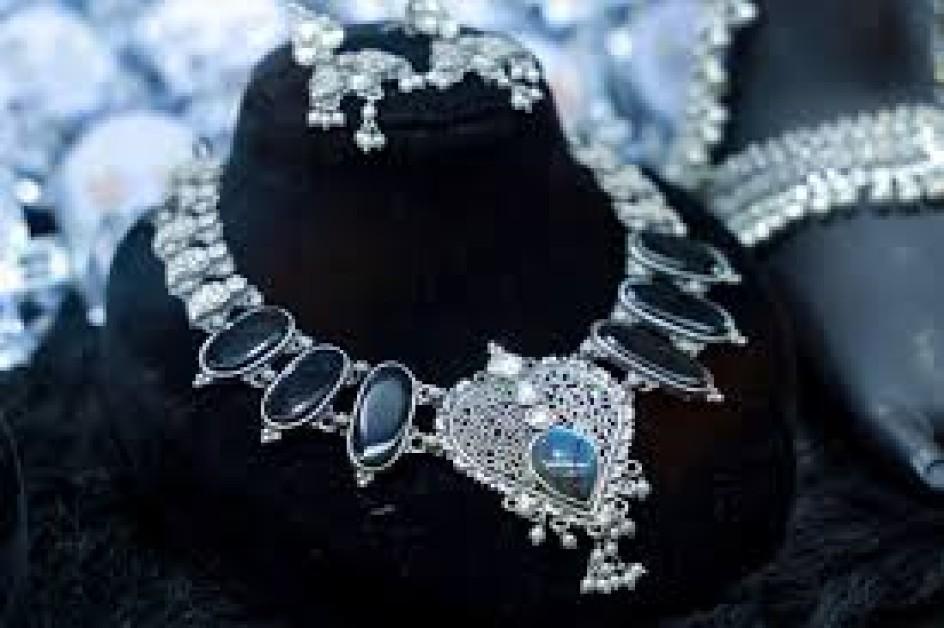
Bharat Silver Show 2026 Opens in Pune With Three-Day B2B Jewellery and Silver-Articles Exhibition
Bharat Silver Show 2026 has opened at the Auto Cluster Exhibition Centre in Pimpri-Chinchwad, Pune, bringing manufacturers, wholesalers, retailers and other jewellery-industry professionals together for a three-day business-to-business exhibition dedicated to silver jewellery and silver articles.
The exhibition is being held from:
September 5 to September 7, 2026
and will remain open from:
10:00 AM to 6:00 PM
on all three days.
Organised by B2B Stylus India LLP, the trade show is expected to bring together more than:
200 exhibitors
and:
7,000 trade visitors
across approximately:
50,000 square feet of exhibition space.
The event is designed as a dedicated sourcing and networking platform for India's silver trade, with products spanning jewellery, coins, gifting articles, religious items, utensils, décor, bullion and multiple silver categories.
Its timing ahead of India's major festive and wedding demand period is intended to help manufacturers and wholesalers connect with retailers preparing inventories for the coming sales season.
Bharat Silver Show Runs From September 5 to 7

The three-day Bharat Silver Show 2026 is being held at:
Auto Cluster, PCMC, Pune.
The exhibition begins on Saturday, September 5, and concludes on:
Monday, September 7.
Daily exhibition hours are:
10 AM to 6 PM.
The organisers have positioned the event specifically around trade engagement rather than conventional consumer retail.
Admission is primarily structured for verified professionals from the gem and jewellery industry.
This makes the show a business marketplace where exhibitors can meet potential buyers, distributors and commercial partners rather than simply display products to general visitors.
More Than 200 Exhibitors Expected
The organisers expect participation from more than:
200 exhibitors.
Exhibitor profiles include:
manufacturers,
wholesalers,
retailers,
importers and exporters,
agents,
designers,
industry clusters,
overseas representatives,
trade publications,
and laboratories.
Bringing different parts of the value chain together is particularly important in jewellery because the industry remains highly relationship-driven.
Retailers need reliable suppliers.
Manufacturers need distribution.
Wholesalers need access to new designs and regional markets.
Trade exhibitions provide a physical environment where these relationships can be established and expanded.
More Than 7,000 Trade Visitors Expected
Bharat Silver Show expects more than:
7,000 trade visitors
during the three-day programme.
The visitor profile is focused on industry professionals such as:
retailers,
wholesalers,
agents,
distributors,
traders,
manufacturers,
importers,
and exporters.
The event's visitor rules require registration and business-document verification.
That structure is intended to maintain the exhibition's B2B focus and give participating companies access to commercially relevant buyers.
For exhibitors, visitor quality can be as important as overall attendance.
A smaller group of active jewellery buyers can generate significantly greater commercial value than a much larger general audience.
Exhibition Covers Around 50,000 Square Feet
The event occupies approximately:
50,000 square feet
of exhibition space at the Auto Cluster Exhibition Centre.
The scale allows exhibitors to present a broad selection of products and collections while giving trade buyers an opportunity to compare suppliers in a single location.
For jewellery retailers, physical sourcing remains particularly valuable.
Products can be:
examined,
handled,
compared,
and discussed
directly with manufacturers and wholesalers.
This touch-and-feel element remains an important advantage of jewellery exhibitions even as digital B2B commerce expands.
Silver Jewellery Is a Central Focus
Silver jewellery forms one of the largest product categories at the exhibition.
Participating businesses are showcasing both:
traditional
and:
contemporary
designs.
The category encompasses different types of silver products aimed at varying price points and customer segments.
Silver has increasingly developed an identity beyond being viewed simply as a lower-cost alternative to gold.
Design-led silver jewellery can appeal to customers seeking:
fashion,
daily wear,
gifting,
traditional designs,
and accessible premium products.
This widening use case is creating new opportunities for jewellery manufacturers and retailers.
925 Sterling Silver Receives Strong Attention
One of the important categories highlighted by the exhibition is:
925 sterling silver.
Sterling silver contains 92.5% silver, with the remainder typically consisting of other metals added to improve durability.
The material is widely used in jewellery because pure silver can be relatively soft for some applications.
925 silver allows manufacturers to combine:
precious-metal value,
durability,
design flexibility,
and comparatively accessible pricing.
Its increasing visibility within India's jewellery market has encouraged manufacturers to develop broader collections aimed at younger and more fashion-conscious consumers.
Exhibition Includes Multiple Silver Categories
Bharat Silver Show is not restricted to conventional jewellery.
Its exhibitor portfolio covers products including:
jewellery,
coins,
fine silver,
sterling 925,
Argentium silver,
Britannia silver,
Mexican silver,
German silver,
silver articles,
men's jewellery,
silver-filled products,
payal,
bullion,
gifting products,
antique designs,
and idols.
The breadth of the categories demonstrates the multiple commercial markets associated with silver.
Demand can originate from:
personal jewellery,
investment,
religious use,
weddings,
festivals,
corporate gifting,
and home décor.
Silver Gift Articles Form Important Segment
Gift articles are another important component of the exhibition.
Silver has a long-established position within India's gifting market.
Products can include:
decorative items,
coins,
tableware,
religious articles,
commemorative products,
and wedding gifts.
Demand can increase during:
festivals,
weddings,
housewarming ceremonies,
corporate occasions,
and family celebrations.
For retailers, sourcing ahead of these periods is important because inventories need to be prepared before consumer demand peaks.
The September timing therefore places Bharat Silver Show ahead of an important seasonal selling period.
Religious Silver Articles Are Also on Display
Religious and ceremonial products form another significant category.
The exhibition includes:
silver idols,
pooja items,
and other religious accessories.
Precious metals have long been associated with religious and ceremonial gifting in India.
Silver can occupy an accessible position within this market because it combines:
traditional significance,
material value,
and a broad range of potential product sizes.
Manufacturers can therefore serve customers across very different budgets.
Utensils and Home Décor Expand Silver Market
Silver utensils and decorative products broaden the industry's addressable market beyond wearable jewellery.
Products can include:
serving items,
tableware,
decorative pieces,
and home accessories.
These categories can be particularly relevant for:
weddings,
luxury gifting,
festive purchases,
and traditional household use.
For jewellery retailers, expanding into silver articles can provide additional revenue categories beyond ornaments.
It can also increase transaction values during major family and ceremonial purchases.
Show Provides More Than 100,000 Designs
The organisers are promoting access to more than:
100,000 jewellery designs
through the exhibition.
Design variety is commercially important because jewellery preferences vary substantially across:
regions,
age groups,
occasions,
price points,
and consumer segments.
Retailers need to continuously refresh their inventory as trends change.
Trade exhibitions allow buyers to examine multiple collections without travelling individually to numerous manufacturing centres.
This can make the sourcing process considerably more efficient.
Festive Season Is Central to Event Timing
Bharat Silver Show has been deliberately positioned around the jewellery industry's seasonal calendar.
The months ahead include major:
festivals
and:
wedding demand.
Jewellery retailers generally need to source products well before peak consumer buying begins.
Manufacturers similarly need sufficient time to:
secure orders,
plan production,
and organise deliveries.
Holding a B2B exhibition before the peak season allows the supply chain to prepare for anticipated demand rather than responding only after retail sales accelerate.
Wedding Demand Creates Additional Opportunity
India's wedding economy is another major source of demand for precious-metal products.
While gold remains central to many jewellery purchases, silver has significant applications in:
ornaments,
gifts,
utensils,
religious products,
and ceremonial articles.
Silver can also provide retailers with access to customers seeking precious-metal products at more accessible price points.
The wedding market therefore creates opportunities across both traditional jewellery and non-jewellery silver categories.
Maharashtra Is a Key Target Market
The exhibition is strategically located in Maharashtra.
The organisers identify the state as an important market for:
silver jewellery
and:
silver articles.
Pune provides access to a large jewellery trade while also connecting exhibitors with buyers from surrounding markets.
The exhibition's outreach extends beyond Maharashtra to:
North Karnataka,
North Telangana
and:
Goa.
This gives participating manufacturers and wholesalers access to a wider western and southern Indian trade network.
Pune Offers Strategic Location for Jewellery Trade
Pune's location makes it useful for a regional B2B exhibition.
The city has a substantial consumer economy and strong transportation connections with:
Mumbai,
western Maharashtra,
and neighbouring states.
The Auto Cluster venue in Pimpri-Chinchwad also provides dedicated exhibition infrastructure.
For manufacturers attempting to expand distribution, regional exhibitions can be especially valuable because they bring together buyers who might otherwise be difficult to reach individually.
This can help companies develop dealership and wholesale relationships beyond their existing markets.
Bharat Silver Show Is Strictly B2B
One of the defining characteristics of the event is its:
B2B positioning.
Visitor entry is restricted to professionals connected with the gem and jewellery trade.
Eligible categories include:
retailers,
wholesalers,
agents,
distributors,
traders,
manufacturers,
importers,
and exporters.
Visitors are required to provide valid business documentation for verification.
This approach differentiates the show from consumer jewellery exhibitions where products are primarily sold directly to individual shoppers.
Exhibitors Must Meet Business Verification Requirements
Exhibitors are also required to meet formal business criteria.
The organisers require participating businesses to have:
a registered office in India,
valid GST or Udyog Aadhaar documentation,
and:
a company PAN.
These requirements are intended to support professional trade participation.
Formal verification can be particularly important within precious-metals markets, where buyers place considerable importance on:
supplier credibility,
quality,
purity,
and long-term business relationships.
Networking Is a Major Component
Bharat Silver Show is designed to provide more than product displays.
The event includes networking opportunities aimed at connecting:
manufacturers,
wholesalers,
retailers,
and other industry participants.
For smaller manufacturers, such networking can provide access to buyers from markets where they do not yet have distribution.
For retailers, it can help identify:
new suppliers,
new designs,
and potentially better sourcing terms.
The commercial value of a trade show can therefore continue long after the physical exhibition ends.
B2B Meetings Support Commercial Discussions
The programme includes opportunities for:
B2B meetings.
Structured business meetings allow participants to move beyond casual exhibition-floor conversations.
Potential buyers and suppliers can discuss:
product requirements,
pricing,
minimum order quantities,
delivery schedules,
customisation,
and distribution arrangements.
These discussions are particularly important in jewellery, where commercial relationships can continue across multiple buying seasons.
A successful trade-show interaction can therefore develop into a long-term supplier relationship.
Product Launches Give Manufacturers Direct Buyer Access
The exhibition also serves as a:
product-launch platform.
Manufacturers can introduce:
new jewellery designs,
collections,
and product innovations
directly to trade buyers.
This provides immediate market feedback.
Retailers can indicate which products they believe will perform strongly with consumers.
Manufacturers can then use that information when planning production.
Trade exhibitions therefore function partly as live market-research environments.
Live Craft Demonstrations Highlight Manufacturing Skills
Bharat Silver Show also promotes live demonstrations related to:
silver crafting,
engraving,
and jewellery making.
These demonstrations highlight the craftsmanship behind finished products.
Traditional jewellery manufacturing often combines manual skills developed over generations with increasingly modern production technology.
Exhibitions provide an opportunity to show both sides of the industry.
This can help buyers understand differences in:
craftsmanship,
finishing,
design complexity,
and production methods.
Modern Technology Is Changing Silver Manufacturing
The silver industry is increasingly combining traditional craftsmanship with technology.
Modern jewellery production can involve:
computer-aided design,
precision casting,
laser technology,
automated finishing,
quality testing,
and digital inventory management.
Technology can help manufacturers improve:
consistency,
production speed,
customisation,
and scalability.
At the same time, handcrafted techniques remain important for categories where customers value detailed workmanship.
The combination of traditional skills and modern manufacturing is becoming a competitive advantage.
Silver Offers Accessible Precious-Metal Positioning
One factor supporting the silver jewellery category is its price positioning relative to gold.
High gold prices can make heavier jewellery purchases increasingly expensive for many consumers.
Silver offers another precious-metal option at a substantially different price point.
This does not mean silver simply replaces gold.
The two metals serve different:
occasions,
consumer preferences,
and product categories.
But higher precious-metal prices can encourage retailers to broaden their product mix and give consumers more alternatives.
Younger Consumers Expand Fashion-Jewellery Opportunity
The growth of fashion-led silver jewellery is particularly relevant among younger consumers.
Jewellery purchases are increasingly influenced by:
social media,
celebrity styles,
online brands,
international fashion,
and everyday styling.
Consumers may buy smaller jewellery pieces more frequently rather than limiting purchases to major family occasions.
Sterling silver can fit this behaviour because it can support contemporary designs while retaining precious-metal positioning.
This creates opportunities for brands targeting:
Gen Z,
millennials,
and urban fashion consumers.
Digital Commerce Is Expanding Silver Distribution
Silver jewellery is also increasingly suited to online retail.
Compared with high-value jewellery purchases, relatively affordable products can be easier for consumers to purchase digitally.
Brands can showcase large catalogues through:
websites,
marketplaces,
social media,
and mobile commerce.
This is enabling manufacturers to reach consumers beyond their immediate geographic markets.
However, physical B2B exhibitions remain important because retailers and wholesalers still want to evaluate:
quality,
weight,
finish,
design,
and supplier reliability
before placing significant orders.
Trade Shows Help Build Trust
Trust is particularly important in jewellery.
Buyers need confidence regarding:
metal purity,
manufacturing quality,
delivery reliability,
and commercial terms.
Face-to-face meetings can strengthen that confidence.
The organisers have positioned Bharat Silver Show around the idea of providing a touch-and-feel sourcing environment rather than relying entirely on faceless transactions.
This illustrates why physical trade exhibitions continue to remain relevant despite rapid digitisation.
Stylus Brings Jewellery Exhibition Experience
Bharat Silver Show comes from the same exhibition ecosystem associated with:
UGJIS — Unique Gems & Jewellery International Show.
The organiser has more than a decade of experience in the exhibition business and has conducted multiple editions of jewellery-industry events.
The dedicated silver exhibition builds on that network while narrowing its focus specifically to silver.
A specialised format can make sourcing more efficient for buyers because the majority of exhibitors are directly relevant to the same product category.
Silver Show Creates Dedicated Industry Marketplace
A jewellery exhibition covering many precious metals can serve a broad audience.
A dedicated silver show serves a different purpose.
Manufacturers and buyers attending Bharat Silver Show can concentrate specifically on:
silver pricing,
design,
manufacturing,
consumer trends,
regional demand,
and sourcing.
This creates a more specialised marketplace.
As silver jewellery develops into a larger standalone consumer category, dedicated trade infrastructure can help the industry professionalise further.
Conclusion
Bharat Silver Show 2026 has opened at the Auto Cluster Exhibition Centre in PCMC, Pune, for a three-day run from September 5 to September 7, creating a dedicated B2B marketplace for India's silver jewellery and silver-articles industry.
The exhibition is expected to feature more than 200 exhibitors and over 7,000 trade visitors across approximately 50,000 square feet of exhibition space.
Its product portfolio spans silver jewellery, 925 sterling silver, coins, gifting products, religious articles, utensils, décor, bullion, payal and numerous other categories.
The timing is particularly significant for the trade.
With India's festive and wedding seasons approaching, retailers are entering an important inventory-sourcing period, while manufacturers are seeking orders and distribution relationships ahead of stronger seasonal demand.
Bharat Silver Show therefore provides a platform where manufacturers, wholesalers and retailers can combine physical product sourcing with networking, new collection launches and business discussions.
As silver increasingly develops across both traditional and contemporary jewellery markets, dedicated B2B platforms such as Bharat Silver Show could become increasingly important to connecting India's fragmented manufacturing and retail ecosystem.
 Bharat Silver Show 2026 Opens in Pune With 200+ Exhibitors and 7,000 Trade Visitors Expected FAQs
POST A COMMENT (0)
All Comments (0)
Replies (0)