





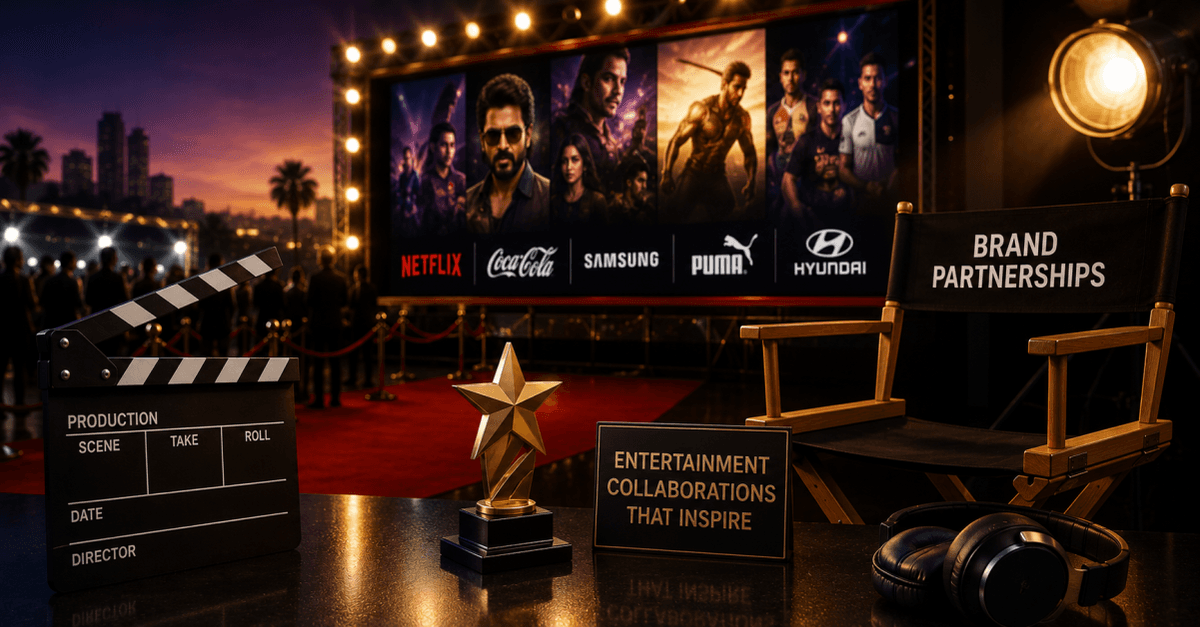
Entertainment Industry Brand Partnerships: Strategic Collaborations Driving Revenue and Audience Engagement
Brand partnerships have become an increasingly important growth strategy across the global entertainment industry. Film studios, streaming platforms, television networks, music labels, sports organizations, gaming companies, and live entertainment businesses are collaborating with consumer brands to create new revenue streams, strengthen audience engagement, and expand market reach.
As entertainment consumption continues to shift toward digital platforms, businesses are moving beyond traditional advertising to develop integrated partnerships that combine storytelling, content marketing, celebrity influence, experiential campaigns, and technology-driven customer engagement. These collaborations not only enhance brand visibility but also create mutually beneficial commercial opportunities for both entertainment companies and corporate partners.
Brand Partnerships Become a Core Revenue Strategy
The entertainment industry has diversified its business model significantly over the past decade. Beyond ticket sales and subscriptions, companies increasingly rely on strategic partnerships to support content production, marketing campaigns, and long-term business growth.
Common partnership categories include:
-
Film and television sponsorships
-
Streaming platform collaborations
-
Celebrity endorsement campaigns
-
Product placement agreements
-
Music industry partnerships
-
Gaming collaborations
-
Live event sponsorships
-
Fashion and lifestyle collaborations
-
Consumer product licensing
-
Retail marketing alliances
These partnerships help entertainment companies generate additional income while enabling brands to reach highly engaged audiences.
Key Drivers Behind the Growth of Brand Partnerships
Rising Demand for Integrated Marketing
Consumers are becoming less responsive to traditional advertising, encouraging brands to integrate products and services naturally into entertainment content. Strategic collaborations often create stronger brand recall than conventional advertising campaigns.
Expansion of Digital Entertainment
The rapid growth of streaming services, online video platforms, podcasts, gaming, and social media has created new opportunities for brands to connect with audiences through premium digital content.
Influence of Celebrity Culture
Actors, musicians, athletes, digital creators, and influencers continue to play a major role in shaping purchasing decisions. Brand collaborations involving well-known personalities often generate substantial visibility and consumer engagement.
Global Audience Reach
Entertainment properties frequently reach international audiences, allowing brand partners to launch coordinated global marketing campaigns across multiple regions and platforms.
Growth of Experiential Marketing
Companies are increasingly investing in immersive experiences, fan events, interactive campaigns, and branded entertainment to strengthen emotional connections with consumers.
Popular Types of Entertainment Brand Partnerships
Entertainment companies are adopting a wide variety of partnership models, including:
-
Product placements in films and television series
-
Co-branded advertising campaigns
-
Streaming platform sponsorships
-
Branded original content
-
Celebrity ambassador programmes
-
Event sponsorships
-
Merchandise collaborations
-
Gaming integrations
-
Music festival partnerships
-
Promotional retail campaigns
These collaborations provide businesses with greater flexibility in reaching different customer segments while supporting long-term brand awareness.
Technology Transforming Brand Collaborations
Technology is enabling more sophisticated partnership strategies across the entertainment ecosystem.
Key technologies include:
-
Artificial intelligence (AI)
-
Data analytics
-
Customer relationship management (CRM)
-
Audience segmentation
-
Marketing automation
-
Social media analytics
-
Cloud computing
-
Digital commerce platforms
-
Augmented reality (AR)
-
Virtual reality (VR)
These technologies help brands measure campaign performance, personalise customer experiences, optimise sponsorship investments, and improve return on marketing expenditure.
Benefits for Entertainment Companies and Brands
Strategic partnerships provide significant commercial advantages for both parties.
Key benefits include:
-
Diversified revenue streams
-
Increased brand visibility
-
Stronger audience engagement
-
Expanded customer reach
-
Shared marketing investments
-
Higher content monetisation
-
Enhanced brand credibility
-
Improved fan experiences
-
Better consumer insights
-
Long-term strategic relationships
These advantages make partnerships an increasingly valuable component of modern entertainment business strategies.
Emerging Trends in Entertainment Partnerships
Several trends are reshaping how brands and entertainment companies collaborate.
Streaming Platform Integrations
Brands are partnering with streaming platforms to support original programming, live events, and exclusive content experiences.
Creator Economy Collaborations
Digital creators are becoming strategic marketing partners as brands seek authentic engagement with online communities.
Interactive Commerce
Entertainment content is increasingly incorporating shoppable experiences that allow viewers to purchase featured products directly through digital platforms.
Gaming and Esports Partnerships
Gaming companies and esports organizations continue attracting sponsorship investments from consumer brands across multiple industries.
Sustainability-Focused Campaigns
Many entertainment businesses and brand partners are launching campaigns focused on environmental responsibility, diversity, and social impact to align with evolving consumer expectations.
Challenges Facing Brand Partnerships
Despite strong growth opportunities, entertainment partnerships face several challenges.
Brand Alignment
Successful collaborations require shared values, audience compatibility, and consistent messaging between partners.
Measuring Return on Investment
Evaluating the long-term impact of sponsorships, product placements, and integrated campaigns remains a complex process.
Consumer Authenticity
Audiences increasingly expect partnerships to feel genuine rather than overly commercial or disruptive to content.
Regulatory Compliance
Advertising disclosure requirements, consumer protection regulations, and intellectual property considerations require careful management.
Rapidly Changing Consumer Behaviour
Entertainment companies must continuously adapt partnership strategies to evolving digital consumption habits and platform preferences.
Future Outlook
Brand partnerships are expected to become even more important as entertainment companies diversify revenue sources and seek deeper audience engagement.
Key trends likely to shape the future include:
-
AI-powered audience targeting
-
Growth of branded original content
-
Expansion of creator-led marketing
-
Interactive commerce experiences
-
Cross-platform advertising campaigns
-
Live streaming sponsorships
-
Data-driven partnership measurement
-
Global entertainment collaborations
-
Virtual and immersive brand experiences
-
Long-term strategic brand ecosystems
Companies that successfully combine creative storytelling, advanced technology, trusted brand relationships, and meaningful audience engagement are expected to lead the next phase of growth across the entertainment industry.
Conclusion
Brand partnerships have evolved into a strategic pillar of the global entertainment business, enabling companies to diversify revenue, strengthen audience engagement, and enhance content monetisation. From streaming services and film studios to music labels, gaming companies, and live entertainment businesses, collaborative marketing strategies are reshaping how brands connect with consumers.
Although challenges such as measuring campaign effectiveness, maintaining authenticity, and adapting to changing consumer behaviour remain, the long-term outlook for entertainment industry partnerships remains highly positive. Organisations that build innovative, technology-driven, and audience-focused collaborations are well positioned to create sustainable growth in the evolving media and entertainment landscape.
 Entertainment Industry Brand Partnerships: Growth Trends and Business Outlook FAQs
POST A COMMENT (0)
All Comments (0)
Replies (0)