




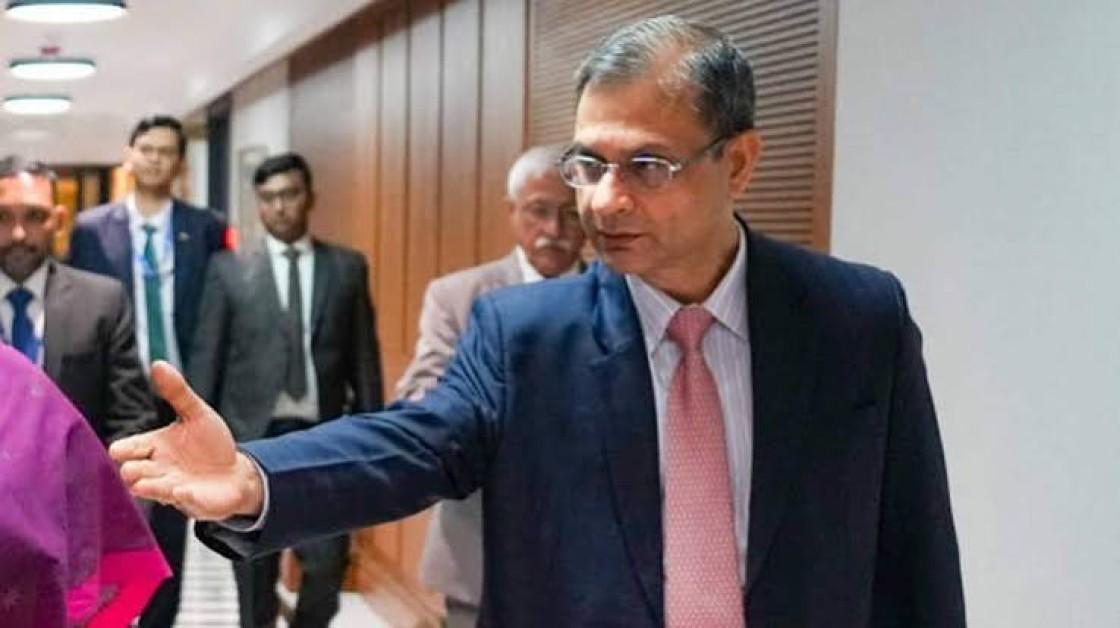
Only 20–30% of Eligible Indian Exports Use FTA Tariffs, RBI Governor Says
Only 20–30% of eligible Indian exports take advantage of the lower tariffs available under India’s free trade agreements (FTAs), Reserve Bank of India Governor Sanjay Malhotra said. He cited 60–70% utilisation for partner countries’ eligible exports to India, pointing to a gap in how traders on each side use the tariff concessions.
Speaking at the SME Finance and Investment Summit in Mumbai on November 27, 2026, Malhotra urged micro, small and medium enterprises (MSMEs) to identify trade agreements relevant to their products and invest in quality, standards and certification.
What the utilisation gap means for exporters

The 20–30% figure measures how much eligible export trade takes advantage of preferential tariffs. When a preference goes unused, goods may enter the destination market at the regular tariff rate. For an overseas buyer comparing suppliers, that difference can affect the total cost of buying from India.
The commercial value of claiming a preference varies by product and market. Where the gap between the regular and preferential tariff is large, using the agreement can help an exporter offer a more competitive landed price or give the buyer more room to place repeat orders.
How companies qualify for lower tariffs
A trade agreement sets out which products qualify for preferential rates and the rules of origin they must meet. Those rules can depend on where inputs come from or how much processing takes place in India. Exporters may need to document that their goods meet the applicable requirements so the importer can claim the lower rate.
Product standards and certification can also affect whether a shipment reaches customers. A product may qualify for a preferential tariff and still need to meet the destination market’s safety, labelling or technical requirements. For smaller firms, working out those requirements before quoting for an order can clarify both the cost of compliance and the potential tariff saving.
Why Malhotra focused on smaller businesses
Malhotra asked MSMEs to look beyond domestic markets and draw on support from agencies that help exporters understand trade agreements and meet market requirements. Smaller manufacturers can assess the opportunity product by product, weighing the tariff saving against the cost of documenting origin, testing goods or securing certification.
That calculation matters most where duty savings are large enough to change a buyer’s sourcing decision. In those markets, greater use of existing preferences could improve competitiveness without waiting for another trade agreement.
Conclusion
The figures cited by Malhotra show room for Indian exporters to make wider use of tariff concessions already available to them. For MSMEs, the opportunity depends on identifying the products and markets where preferential rates can meaningfully lower costs, then meeting the origin and certification requirements needed to use them.
 RBI Governor Says Only 20–30% of Eligible Indian Exports Use FTA Rates FAQs

POST A COMMENT (0)
All Comments (0)
Replies (0)