




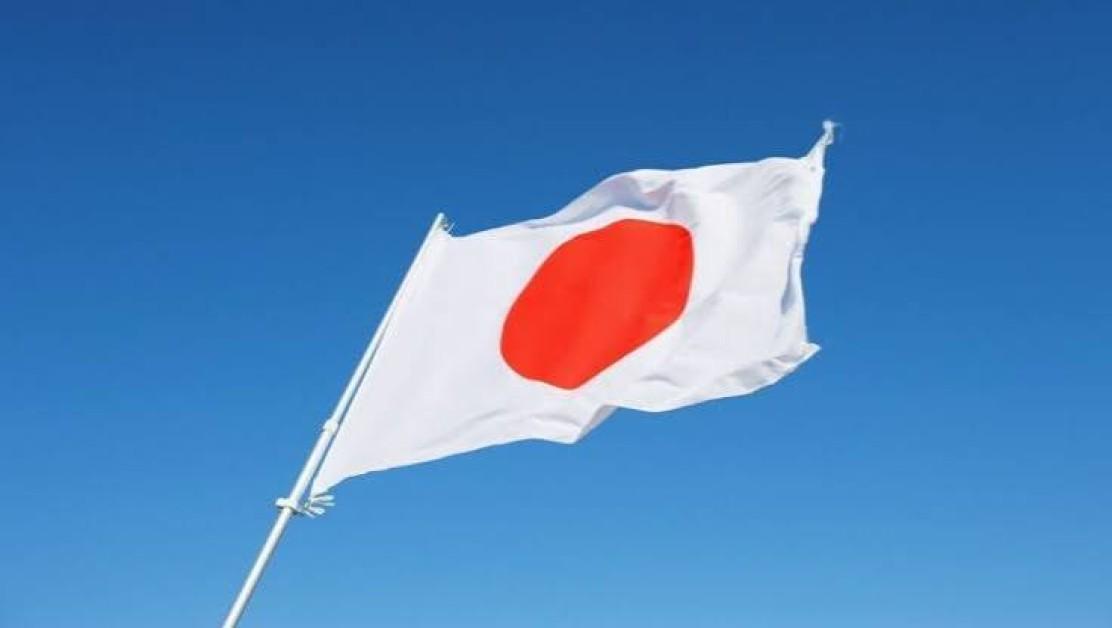
Japan Seeks Financial Restrictions Relief for Myanmar
Japan has urged the Financial Action Task Force (FATF) to remove Myanmar from its list of high-risk jurisdictions, seeking to ease international financial transaction requirements and improve business conditions in the Southeast Asian country.
The diplomatic initiative, reported on October 30, 2026, reflects Tokyo's efforts to maintain economic engagement with Myanmar despite continuing concerns over money laundering, cyber-enabled fraud and political instability.
However, the FATF's latest decision, issued following its October plenary meeting in Paris, confirmed that Myanmar will remain on the blacklist.
The international financial watchdog maintained its requirement for enhanced due diligence on transactions involving Myanmar and warned that additional countermeasures could be considered if the country fails to demonstrate sufficient progress by February 2027.
Japan's initiative therefore did not result in an immediate change to Myanmar's international financial compliance status.
The development highlights competing priorities within global financial governance: encouraging economic activity and legitimate cross-border transactions while protecting the international banking system from illicit financial flows.
Myanmar has remained subject to enhanced FATF scrutiny since October 2022, following its failure to address longstanding weaknesses in its anti-money-laundering and counter-terrorist-financing framework.
Japan believes that easing the restrictions could support Myanmar's economic recovery and facilitate international business activity.
The FATF, however, continues to identify significant deficiencies in Myanmar's financial crime controls.
Key Highlights of Japan's Myanmar FATF Initiative

|
Particulars |
Details |
|---|---|
|
Country seeking removal |
Japan |
|
Country under review |
Myanmar |
|
International watchdog |
Financial Action Task Force |
|
Reported diplomatic initiative |
October 30, 2026 |
|
FATF plenary location |
Paris, France |
|
Myanmar's blacklist inclusion |
October 2022 |
|
October 2026 FATF decision |
Myanmar remains listed |
|
Current financial requirement |
Enhanced due diligence |
|
Potential escalation deadline |
February 2027 |
|
Major regulatory concerns |
Money laundering and cyber-enabled fraud |
|
Other blacklisted jurisdictions |
Iran and North Korea |
|
Japan's stated objective |
Facilitate business and economic recovery |
|
Current outcome |
No removal from the blacklist |
The distinction between Japan's proposal and the FATF's final decision is significant. Although Japan sought an easing of restrictions, the international watchdog retained Myanmar's high-risk designation.
Japan Calls for Myanmar's Removal From Global Financial Blacklist
Japan's reported proposal sought to persuade FATF members to remove Myanmar from the list of jurisdictions subject to enhanced financial scrutiny.
According to people familiar with the discussions, Japanese officials argued that reducing transaction restrictions could improve Myanmar's access to international financial services.
The proposal was also intended to make it easier for foreign businesses to operate in the country.
Japan has maintained economic and commercial ties with Myanmar despite the political upheaval following the military takeover in February 2021.
Several Japanese companies have continued operating in Myanmar, even as other international businesses reduced their exposure.
Tokyo considers economic engagement an important component of its regional relationship with the country.
However, financial restrictions create additional costs and compliance obligations for banks and businesses processing transactions connected to Myanmar.
Japan's initiative sought to address those difficulties through the FATF's international regulatory framework.
FATF Retains Myanmar on Blacklist After October 2026 Meeting
Despite Japan's efforts, the FATF decided to retain Myanmar on its list of high-risk jurisdictions subject to a call for action.
The decision was confirmed in the watchdog's October 30, 2026 statement.
Myanmar remains subject to enhanced due diligence requirements because of continuing deficiencies in its systems for preventing money laundering and terrorist financing.
The FATF also highlighted financial risks associated with cyber-enabled fraud and scam operations.
The organisation stated that Myanmar must urgently improve its financial intelligence capabilities and ensure that money-laundering investigations and prosecutions reflect the risks facing the country.
The decision demonstrates that diplomatic support for delisting does not automatically lead to a change in FATF classification.
The watchdog assesses jurisdictions against international financial crime prevention standards.
Myanmar will remain listed until it completes the required corrective measures.
What Is the Financial Action Task Force?
The Financial Action Task Force is an international body responsible for developing standards to combat money laundering, terrorist financing and the financing of weapons proliferation.
Its recommendations influence banking regulations and financial compliance practices around the world.
The organisation evaluates whether countries have adequate legal, regulatory and enforcement systems to identify and prevent illicit financial activity.
Jurisdictions with serious deficiencies may be placed under increased monitoring or designated as high-risk.
The FATF's findings influence how international financial institutions assess transactions involving particular countries.
Banks may introduce additional documentation, customer verification and transaction monitoring requirements when dealing with higher-risk jurisdictions.
Although the FATF does not directly impose conventional economic sanctions, its classifications can significantly affect international financial relationships.
Why Myanmar Was Added to the FATF Blacklist in 2022
Myanmar was placed on the FATF blacklist in October 2022 after failing to address deficiencies in its anti-money-laundering framework.
The country had previously committed to implementing reforms under an action plan.
However, the deadline expired in September 2021, and substantial corrective measures remained incomplete.
The FATF subsequently determined that additional scrutiny was necessary.
Myanmar's financial regulatory challenges have been complicated by political instability and armed conflict following the February 2021 military takeover.
The conflict has affected government institutions, economic activity and law enforcement capabilities.
The FATF's concerns relate specifically to deficiencies in financial crime prevention and enforcement.
These include weaknesses in identifying suspicious financial transactions and investigating money laundering.
The designation has remained in place as the watchdog continues assessing Myanmar's progress.
Myanmar Faces February 2027 Deadline for Further Action
The FATF's October 2026 statement introduced an important warning.
If Myanmar fails to demonstrate further progress by February 2027, the watchdog will consider additional countermeasures.
This creates a new deadline for the country to strengthen its financial crime prevention framework.
The current designation requires enhanced due diligence rather than the broader countermeasures applied to certain other high-risk jurisdictions.
Enhanced due diligence involves more intensive monitoring and assessment of financial transactions.
Countermeasures can involve more restrictive regulatory actions, depending on the jurisdiction and the risks identified.
The FATF has not announced that such additional measures will automatically take effect in February.
Instead, it has indicated that further action will be considered if sufficient progress is not demonstrated.
The distinction is important for banks and businesses assessing future compliance requirements.
Enhanced Due Diligence Increases Banking Compliance Requirements
Myanmar's FATF classification affects how international financial institutions manage transactions involving the country.
Enhanced due diligence requires banks to apply additional scrutiny based on the risks associated with particular customers, business relationships and transactions.
Financial institutions may request more information about the purpose of a payment, the parties involved and the origin of funds.
They may also conduct more intensive transaction monitoring.
These procedures are intended to identify suspicious activity and reduce the risk of money laundering.
However, they can increase administrative costs and processing times.
Businesses engaged in legitimate international trade may face additional documentation requirements.
Some financial institutions may also choose to limit exposure to transactions they consider difficult to monitor.
These consequences help explain Japan's interest in reducing Myanmar's high-risk classification.
Japan Believes Delisting Could Support Myanmar's Economic Recovery
Japan's initiative is linked to concerns about Myanmar's economic conditions.
The country has experienced substantial disruption since the 2021 military takeover.
Armed conflict, political instability and reduced foreign investment have affected economic activity.
International financial restrictions can create additional obstacles for businesses seeking to conduct legitimate transactions.
Japan reportedly believes that removing Myanmar from the FATF blacklist could improve access to financial services and facilitate trade.
Easier payment processing could benefit companies importing equipment, purchasing materials or conducting other cross-border business activities.
However, FATF delisting would not automatically resolve Myanmar's broader economic challenges.
Political instability, infrastructure constraints and security concerns would continue influencing investment decisions.
The economic benefits of any future delisting would therefore depend on several factors beyond financial compliance requirements.
Japanese Businesses Maintain Economic Exposure to Myanmar
Japan has longstanding economic relationships with Myanmar.
Japanese companies have participated in manufacturing, infrastructure and other commercial activities in the country.
These investments have contributed to economic ties between the two nations.
Following the 2021 military takeover, international companies reassessed their exposure to Myanmar.
Some businesses withdrew or reduced operations because of political, financial and reputational risks.
However, a number of Japanese companies maintained a presence.
For businesses continuing to operate, access to international banking services remains important.
Payments for imports, exports, equipment and operating expenses may involve additional scrutiny under FATF requirements.
Japan's push for delisting reflects these practical commercial considerations.
Nevertheless, Japanese businesses remain responsible for complying with applicable laws, sanctions and financial regulations.
Another Major Asian Country Reportedly Supports Japan's Position
Reports indicated that at least one other major Asian country supported efforts to remove Myanmar from the FATF blacklist.
The country was not publicly identified in the reporting.
Its reported involvement suggests that Japan's initiative was not necessarily an isolated diplomatic effort.
Regional economies may have an interest in maintaining trade and financial connectivity with Myanmar.
However, the FATF's final decision demonstrates that the reported support was insufficient to secure delisting.
The organisation retained its existing assessment of Myanmar's financial crime risks.
The development also highlights the distinction between national economic interests and multilateral regulatory decisions.
FATF classifications are intended to reflect compliance with international standards rather than bilateral commercial preferences alone.
Cyber Scam Operations Remain a Major Financial Crime Concern
One of the FATF's principal concerns involves cyber-enabled fraud operations in Myanmar.
The country has become associated with large-scale scam centres operating in parts of Southeast Asia.
These operations can involve online investment fraud, impersonation scams and other forms of financial deception.
Criminal networks may use complex financial arrangements to transfer proceeds across borders.
Such activity creates risks for banks, payment providers and other financial institutions.
The FATF's October statement reiterated that fraud and cyber scam operations remain extensive in Myanmar.
It also recognised that the country had taken some steps to address these activities.
However, the watchdog maintained that further action was necessary.
The persistence of cyber-enabled financial crime remains a major obstacle to Myanmar's removal from the blacklist.
FATF Calls for Stronger Money-Laundering Investigations
The FATF has identified two particularly important areas requiring improvement.
First, Myanmar must strengthen operational analysis and the dissemination of financial intelligence.
Financial intelligence units play an important role in identifying suspicious financial activity.
They analyse transaction reports and share relevant information with law enforcement authorities.
Second, Myanmar must ensure that money laundering is investigated and prosecuted in line with the risks identified.
Effective enforcement is essential because financial regulations alone may not prevent illicit activity.
Authorities must demonstrate that suspicious transactions can be investigated and that relevant offences are addressed through appropriate legal processes.
The FATF's continued concerns indicate that Myanmar has not yet fully satisfied these requirements.
Myanmar Says It Is Taking Steps Against Financial Crime
Myanmar's authorities have stated that they are participating in international efforts to combat scam operations.
They have also described initiatives aimed at addressing narcotics trafficking and related criminal activity.
The FATF has acknowledged some measures, including plans for a national centre to combat online scams and efforts to strengthen regional cooperation.
However, these developments have not been sufficient to justify removing Myanmar from the high-risk list.
The watchdog continues to assess whether reforms produce measurable improvements in financial crime prevention.
The distinction between announcing initiatives and demonstrating effective implementation is central to the FATF evaluation process.
Myanmar must show that its institutions can identify, investigate and address illicit financial activity.
Myanmar Remains Among Three FATF Blacklisted Jurisdictions
Following the October 2026 review, Myanmar remained on the FATF blacklist alongside Iran and North Korea.
However, the requirements applying to the three jurisdictions are not identical.
The FATF calls for enhanced due diligence regarding Myanmar.
Iran and North Korea are subject to calls for countermeasures because of more severe or persistent financial crime and proliferation-financing concerns.
|
Jurisdiction |
FATF Status in October 2026 |
Principal Requirement |
|---|---|---|
|
Myanmar |
High-risk jurisdiction |
Enhanced due diligence |
|
Iran |
High-risk jurisdiction |
Countermeasures |
|
North Korea |
High-risk jurisdiction |
Countermeasures |
This distinction is important because the term blacklist can suggest that identical restrictions apply to every listed country.
In practice, the FATF specifies different responses according to the risks and deficiencies identified.
FATF Delisting Would Not Automatically Remove Other Restrictions
Even if Myanmar were removed from the FATF blacklist in the future, other legal and regulatory restrictions could remain.
FATF classification is separate from sanctions imposed by individual governments or international organisations.
Countries may maintain restrictions on particular individuals, businesses or transactions for reasons unrelated to FATF compliance.
Banks also conduct their own risk assessments.
A change in FATF status could reduce some compliance burdens, but it would not guarantee unrestricted access to international financial services.
Financial institutions would continue applying applicable customer verification, sanctions screening and anti-money-laundering requirements.
This distinction is important for companies considering investment or trade involving Myanmar.
Japan's Initiative Reflects Broader Diplomatic Re-Engagement
The reported FATF initiative comes amid signs of renewed diplomatic contact between Myanmar and certain international partners.
The United States has also engaged in discussions with Myanmar's military-backed government.
Those discussions have included concerns about scam operations and other matters of bilateral interest.
Japan has maintained a different pattern of economic engagement from some Western countries following the 2021 takeover.
The FATF proposal illustrates how financial regulation can become part of broader diplomatic discussions.
However, international financial compliance decisions remain distinct from diplomatic recognition or political endorsement.
Myanmar's removal from the blacklist would require progress against the watchdog's financial crime standards.
Humanitarian Transactions Must Remain Protected
The FATF has repeatedly emphasised that enhanced due diligence should not unnecessarily obstruct legitimate humanitarian activity.
This includes financial transfers supporting humanitarian assistance, legitimate non-profit organisations and personal remittances.
The issue is particularly important for Myanmar because of the country's humanitarian needs and continuing conflict.
The FATF has also highlighted the importance of avoiding disproportionate disruption to earthquake relief activities.
Financial institutions must therefore balance compliance requirements with the need to facilitate legitimate payments.
A high-risk designation does not mean that all transactions involving Myanmar are prohibited.
Instead, financial institutions are expected to apply appropriate risk-based controls.
Implications for International Banks and Payment Providers
The decision to retain Myanmar on the FATF blacklist means that international banks must continue applying enhanced due diligence.
Financial institutions handling Myanmar-related transactions will need to maintain appropriate monitoring and documentation procedures.
Payment providers and other financial intermediaries may also face additional compliance responsibilities.
The FATF's February 2027 warning creates another important factor for risk assessments.
If Myanmar fails to make sufficient progress, the possibility of further countermeasures could increase regulatory uncertainty.
Banks will therefore monitor future FATF announcements and relevant national regulatory guidance.
For businesses, the practical implications include continued attention to payment processing, transaction documentation and counterparty risk.
Implications for Regional Trade and Investment
Myanmar's continued high-risk classification may affect cross-border commercial activity.
Businesses operating in regional supply chains rely on international banking systems to settle payments and finance transactions.
Additional compliance requirements can increase costs and delay processing.
However, the extent of these effects varies by institution, transaction and jurisdiction.
Japan's proposal reflects concerns that excessive financial friction could discourage legitimate economic activity.
The FATF's decision reflects its assessment that financial crime risks remain sufficiently serious to justify continued scrutiny.
The competing considerations illustrate the challenge of balancing economic connectivity with international financial integrity.
February 2027 Review Becomes the Next Major Milestone
The FATF's warning makes February 2027 an important date for Myanmar's financial compliance outlook.
The watchdog will assess whether Myanmar has demonstrated further progress in implementing its action plan.
Key areas include financial intelligence analysis, money-laundering investigations and responses to illicit finance associated with cyber fraud.
If progress remains insufficient, additional countermeasures could be considered.
However, the FATF has not predetermined the outcome of the review.
Myanmar's status will depend on the evidence of implementation and the organisation's subsequent decisions.
Japan and other countries interested in easing restrictions may continue diplomatic engagement.
Nevertheless, any future change to the blacklist will require a formal FATF decision.
Conclusion
Japan's effort to secure Myanmar's removal from the Financial Action Task Force blacklist represents a significant development in international financial policy and regional economic diplomacy.
Tokyo reportedly argued that easing enhanced financial scrutiny could facilitate business activity and support Myanmar's economic recovery.
The initiative reflected Japan's continued commercial engagement with the country and concerns about the practical consequences of financial restrictions.
However, the FATF's October 30, 2026 decision confirmed that Myanmar will remain on the high-risk list.
The watchdog continues to identify deficiencies in financial intelligence, money-laundering investigations and the response to cyber-enabled financial crime.
It has also warned that additional countermeasures could be considered if Myanmar fails to demonstrate sufficient progress by February 2027.
For international banks and businesses, the immediate position remains unchanged: Myanmar-related transactions continue to require enhanced due diligence.
The outcome underscores the importance of distinguishing diplomatic proposals from formal regulatory decisions.
Myanmar's future removal from the blacklist will depend on measurable progress in addressing the financial crime risks identified by the FATF.
 Japan Seeks Myanmar FATF Blacklist Removal as Watchdog Maintains Restrictions FAQs

POST A COMMENT (0)
All Comments (0)
Replies (0)