





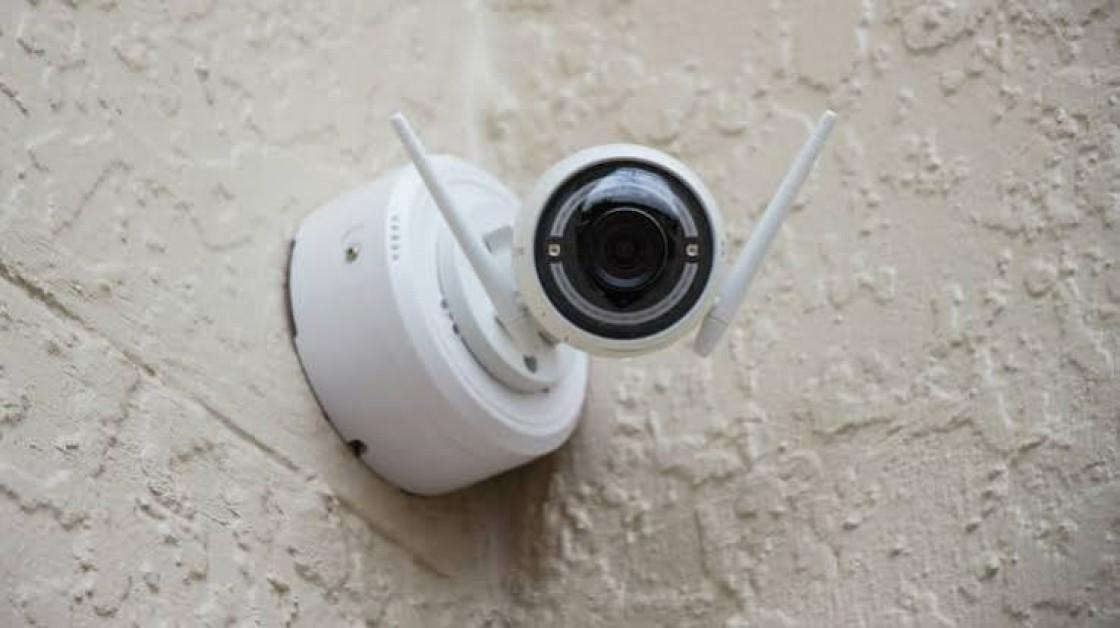
Amazon and Flipkart Review Camera Listings
The two major e-commerce marketplaces are examining listings for security cameras after concerns emerged regarding products that may not meet India's applicable licensing or certification requirements.
Online marketplaces host products from large established brands as well as smaller manufacturers, importers and third-party sellers.
This creates a substantial compliance challenge because thousands of individual sellers can upload and modify product listings.
Marketplaces therefore need systems capable of identifying products that fall within regulated categories and determining whether sellers have provided the necessary documentation.
Regulatory Scrutiny Focuses on Unapproved Products

The concerns centre on security-camera products being sold without applicable approvals.
India has been tightening requirements around connected surveillance equipment as the number of cameras installed in homes, offices, factories, shops and public locations increases.
Regulatory requirements can vary depending on the type of device and its technical features.
Products incorporating wireless communication, for example, can fall under additional requirements compared with conventional standalone cameras.
Manufacturers, importers and sellers must therefore determine which approvals apply before placing products on the Indian market.
Security Cameras Carry Cybersecurity Risks
Modern surveillance cameras are increasingly internet-connected computing devices rather than simple video-recording equipment.
Many products connect to Wi-Fi networks, communicate with cloud servers and allow users to watch live video through smartphone applications.
These capabilities make cybersecurity particularly important.
Weak passwords, insecure firmware, unprotected communications or poorly maintained cloud infrastructure can potentially expose video feeds and other information.
A compromised camera can also create an entry point into a broader home or corporate network.
Consumer Privacy Becomes Important Issue
Security cameras can capture highly sensitive information about households and workplaces.
Indoor cameras may record family members, employees, visitors and private spaces, while outdoor systems can continuously capture activity around homes or commercial premises.
Consumers therefore depend on manufacturers to implement appropriate safeguards for video transmission and storage.
The issue becomes more complicated when devices rely on overseas cloud infrastructure or when users have limited information about where footage is processed.
Regulatory scrutiny can consequently involve broader concerns than basic product functionality.
India's Security-Camera Market Is Expanding
Demand for surveillance equipment has increased across India as cameras become more affordable and easier to install.
Households increasingly use Wi-Fi cameras for home monitoring, while businesses deploy surveillance systems for security, operations and asset protection.
Retail stores, housing societies, warehouses, factories and offices represent other important customer segments.
The growth of e-commerce has further expanded access to low-cost cameras from a large number of brands.
Consumers can now purchase connected surveillance equipment at price points that were previously unavailable, significantly expanding the installed base.
Low-Cost Imports Face Greater Compliance Attention
The availability of inexpensive imported electronics has helped expand India's connected-device market.
However, lower prices can sometimes make it difficult for consumers to distinguish between fully compliant products and devices lacking required approvals.
Online listings may contain technical specifications and marketing claims without making the regulatory status of a product immediately clear.
This creates an enforcement challenge because authorities must monitor a large and constantly changing catalogue of devices.
Marketplaces can play an important role by requiring sellers to provide appropriate compliance information before regulated products are listed.
E-Commerce Platforms Face Compliance Challenge
Amazon and Flipkart operate marketplace models in which independent sellers offer products directly to customers.
While this model provides consumers with extensive selection, it also creates complexity around product compliance.
Different categories can be governed by different regulatory frameworks covering safety, labelling, wireless communication, cybersecurity or quality standards.
Platforms therefore need automated screening combined with seller verification and manual enforcement.
Products identified as non-compliant can potentially be removed or restricted while sellers are asked to provide additional documentation.
Seller Verification Could Become More Important
The security-camera issue could increase pressure on marketplaces to strengthen verification for regulated electronics.
Rather than relying primarily on information supplied in product descriptions, platforms can require sellers to submit specific licence or certification details.
These details can potentially be cross-checked against government databases where verification systems are available.
Such measures could make it harder for non-compliant products to appear on large marketplaces.
They could also increase administrative requirements for legitimate smaller sellers that need to demonstrate compliance before reaching customers.
Manufacturers Could Face Higher Compliance Costs
Tighter enforcement can increase costs for camera manufacturers and importers.
Testing, certification, cybersecurity assessment and documentation all require resources.
Companies may also need to redesign products or software to comply with updated standards.
Larger brands can generally spread these costs across greater sales volumes, while smaller companies may find compliance relatively more expensive.
This could gradually reduce the number of very low-cost products available if manufacturers determine that certification costs make certain models uneconomical.
Cybersecurity Is Becoming Product-Safety Issue
Historically, product-safety regulation focused heavily on physical risks such as electrical faults, overheating and fire.
Connected devices have expanded the definition of consumer safety.
A product can function perfectly from a physical perspective while still creating security risks because of vulnerable software.
Governments worldwide are consequently paying greater attention to default passwords, firmware updates, encryption and vulnerability management for internet-connected products.
Security cameras are a particularly sensitive category because a cybersecurity failure can expose live or recorded footage.
Enterprise Buyers Also Face Risks
The issue extends beyond household consumers.
Businesses increasingly deploy networked cameras across offices, warehouses, manufacturing plants and retail outlets.
If these devices contain vulnerabilities, attackers could potentially use them as a route into corporate networks.
Companies therefore need to assess cameras as part of their broader cybersecurity architecture rather than treating them purely as physical-security equipment.
Procurement teams may increasingly consider certification, software-update policies, data-storage practices and vendor security records when selecting surveillance systems.
Compliance Could Become Competitive Advantage
Greater regulatory scrutiny could benefit manufacturers that have already invested in compliant products and stronger cybersecurity.
When consumers have limited technical knowledge, certification can provide an additional indicator that a device has undergone prescribed assessment.
Established brands may therefore use compliance as part of their competitive positioning.
For marketplaces, clearly displaying relevant certification information could also help customers make more informed purchasing decisions.
This could gradually shift competition away from price alone toward security, reliability and regulatory compliance.
Online Marketplaces Under Increasing Scrutiny
The development also reflects the wider challenge facing large e-commerce platforms as governments strengthen oversight of products sold online.
Marketplaces offer enormous scale and convenience but can also allow non-compliant goods to reach consumers rapidly.
Authorities increasingly expect platforms to improve seller traceability, respond quickly to regulatory directions and prevent repeat listings of restricted products.
Technology can help identify suspicious listings, but effective enforcement also requires coordination among platforms, regulators, manufacturers and sellers.
Consumers Should Check Product Credentials
For consumers purchasing security cameras, price and video resolution are only part of the decision.
Buyers should also consider whether the manufacturer provides regular software updates, strong account-security features and transparent information about data handling.
Products from sellers that provide clear manufacturer details, warranty support and applicable compliance information can reduce uncertainty.
Users should also change default credentials, enable stronger authentication where available and keep device firmware updated.
These practices remain important even when a camera has passed applicable regulatory requirements.
Review Could Reshape Online Camera Market
If marketplace reviews result in widespread removal of non-compliant listings, India's online security-camera market could become more consolidated around products with clearer regulatory documentation.
Sellers may need to provide more information before listing surveillance equipment.
Manufacturers could also face stronger incentives to complete certification before launching products.
Over time, this could improve compliance across the market while making regulatory credentials a more visible part of the purchasing process.
Conclusion
Amazon and Flipkart's review of security-camera listings following regulatory concerns highlights the growing importance of compliance in India's connected-electronics market.
As Wi-Fi cameras and other surveillance products become increasingly common, regulators and marketplaces face the challenge of ensuring that products satisfy applicable approval requirements while addressing cybersecurity and privacy risks associated with internet-connected devices.
Stronger seller verification, clearer certification information and tighter enforcement could reshape the online security-camera market, while encouraging manufacturers to treat regulatory compliance and cybersecurity as essential elements of product development.
 Amazon and Flipkart Review Unlicensed Security-Camera Listings in India FAQs
POST A COMMENT (0)
All Comments (0)
Replies (0)