





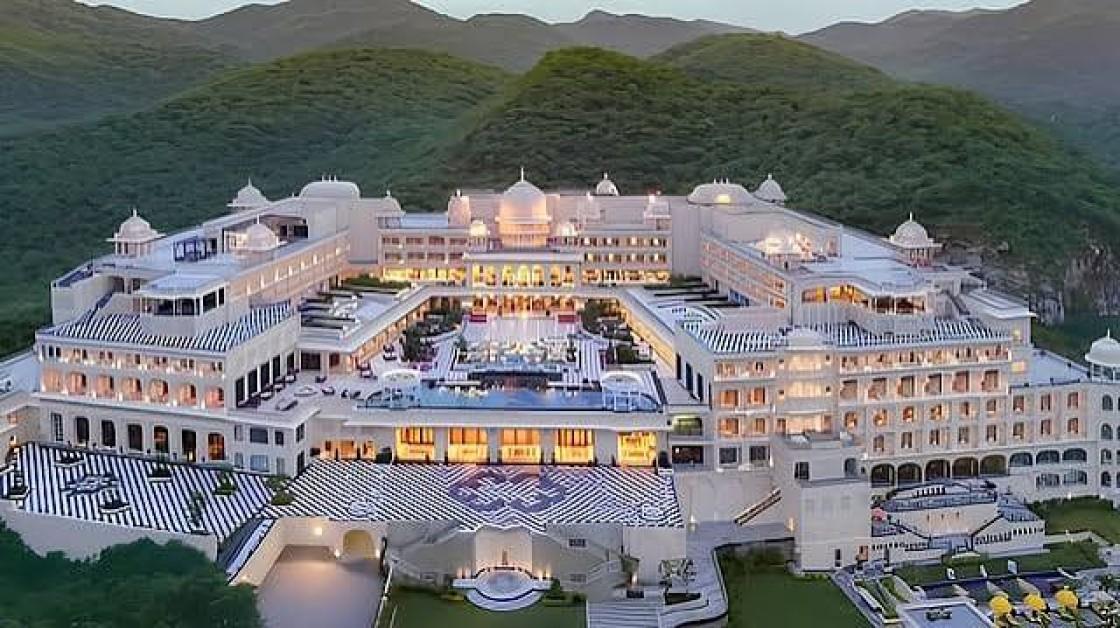
Robb Report India Marks First Anniversary With Luxury Industry Gathering at Fairmont Udaipur Palace
Robb Report India has marked its first anniversary with a three-day celebration at Fairmont Udaipur Palace, bringing together figures from luxury, hospitality, fashion, design, culture and business as the publication completes its first year in one of the world's increasingly important premium consumer markets.
The gathering, held from August 21 to August 23, 2026, was positioned as a celebration of Robb Report India's first year and of the wider community shaping contemporary luxury in the country.
The event brought guests into an environment deliberately built around experiences rather than a conventional anniversary function, combining hospitality, craftsmanship, design, food, fashion and cultural programming.
For India's luxury industry, the anniversary represents more than a media milestone.
It reflects a wider transformation in which India is becoming increasingly important to global luxury companies while simultaneously developing its own ecosystem of designers, hospitality groups, jewellery houses, craftspeople and premium lifestyle businesses.
Robb Report India Completes Its First Year

Robb Report India launched as the Indian edition of the international luxury lifestyle publication, bringing its coverage of high-end automobiles, watches, travel, fashion, design, real estate and experiences to Indian readers.
The first anniversary therefore marks the completion of the publication's initial year in the market.
During that period, India's luxury economy has continued to expand across categories ranging from premium automobiles and hospitality to jewellery and high-end residential property.
Three-Day Celebration Was Held in Udaipur
The anniversary gathering took place over three days:
August 21–23, 2026
at:
Fairmont Udaipur Palace.
Udaipur provided a natural backdrop for a luxury-industry event.
The city combines:
heritage architecture,
palaces,
hospitality,
craft traditions,
and destination weddings.
Those characteristics have made it one of India's best-known premium travel destinations.
Fairmont Udaipur Palace Provided the Setting
Fairmont Udaipur Palace is positioned as a luxury resort drawing inspiration from Rajasthan's architectural and cultural heritage.
For Robb Report India's anniversary, the property functioned not simply as accommodation but as part of the experience itself.
That distinction is increasingly important within luxury.
The location of an event can communicate as much about the brand as the programme.
Luxury Is Increasingly About Experiences
Traditional luxury was often defined primarily through physical products.
These included:
watches,
cars,
fashion,
and jewellery.
Those categories remain important.
But affluent consumers increasingly spend on:
travel,
hospitality,
dining,
wellness,
and exclusive experiences.
A multi-day anniversary gathering naturally reflects this broader definition.
The Event Brought Together the Luxury Ecosystem
The gathering assembled participants connected with multiple parts of India's premium market.
Rather than concentrating on one product category, the celebration reflected luxury as an interconnected ecosystem.
A luxury consumer may purchase:
a premium automobile,
a high-end residence,
designer fashion,
fine jewellery,
and international travel.
The same customer can therefore matter to companies across many industries.
Luxury Brands Compete for the Same Consumer
This overlap explains why cross-industry gatherings are commercially relevant.
An automobile company and a watchmaker may sell completely different products.
But both can target the same affluent customer.
Similarly, luxury hotels, designers and jewellery brands often serve overlapping audiences.
Bringing these companies together creates opportunities for partnerships and shared customer experiences.
India’s Affluent Consumer Base Is Expanding
One of the central drivers of India's luxury market is the increasing number of consumers with substantial disposable wealth.
Growth is being supported by:
entrepreneurship,
capital markets,
technology,
professional services,
and inherited family wealth.
As household wealth increases, discretionary spending expands beyond functional consumption.
Consumers begin purchasing products and experiences based on:
design,
craftsmanship,
heritage,
exclusivity,
and identity.
Younger Consumers Are Reshaping Luxury
India's premium customer base is also relatively young compared with many mature luxury markets.
Younger affluent consumers often approach luxury differently.
They may value:
experiences,
personalisation,
technology,
and contemporary design
alongside traditional prestige.
This is changing how luxury brands communicate.
Digital Discovery Has Become Important
Luxury consumers increasingly discover products through:
digital media,
social platforms,
and online video.
The final transaction may still occur in a boutique.
But the purchasing journey frequently begins online.
This gives luxury media companies an important role in helping consumers navigate an increasingly crowded premium marketplace.
Robb Report Operates at Intersection of Media and Luxury
Robb Report's editorial model is built around luxury categories.
Its coverage traditionally spans areas such as:
automobiles,
watches,
travel,
real estate,
and design.
This creates a concentrated audience attractive to premium advertisers.
The publication therefore operates not only as editorial media but as a connection point between luxury brands and affluent consumers.
Events Extend Media Beyond Publishing
Physical events allow media brands to create relationships that digital content alone cannot provide.
Readers can:
meet brand representatives,
experience products,
and interact with other members of the community.
For advertisers, events provide direct access to potential customers.
For publishers, they create additional commercial opportunities.
Luxury Media Is Becoming Experiential
This model is increasingly common globally.
Premium publications are expanding into:
conferences,
private dinners,
awards,
and curated journeys.
These experiences allow the publication's editorial identity to become physical.
Instead of simply reading about luxury, audiences can experience it.
Udaipur Strengthens the Experiential Positioning
Udaipur is particularly suited to this strategy.
The city has developed a strong international reputation for:
luxury weddings,
palace hotels,
and high-end tourism.
A three-day gathering there creates a destination experience rather than a conventional urban corporate event.
Destination Events Encourage Deeper Engagement
A two-hour event in a city hotel offers limited interaction.
A multi-day destination gathering creates more time for:
networking,
and relationship building.
That can make it more valuable for luxury brands.
High-value purchasing decisions frequently depend on long-term relationships rather than immediate transactions.
Hospitality Is Central to India’s Luxury Growth
Luxury hospitality has become one of India's most dynamic premium sectors.
Domestic hotel companies and international groups are expanding into:
resorts,
heritage destinations,
and leisure markets.
Demand is being supported by both domestic travellers and international visitors.
Domestic Luxury Travel Has Expanded
Affluent Indian consumers increasingly travel within the country for premium leisure experiences.
Destinations such as:
Udaipur,
Goa,
Rajasthan,
Kerala,
and the Himalayas
have developed strong luxury hospitality ecosystems.
This creates opportunities for hotels that previously depended more heavily on foreign travellers.
Weddings Support Luxury Hospitality
Indian weddings are another major source of demand.
Destination celebrations can generate substantial revenue through:
room bookings,
banquets,
food and beverage,
and event services.
Udaipur has become particularly prominent within this market.
That makes it strategically relevant to India's broader luxury economy.
Indian Luxury Is Not Limited to Imported Brands
India's luxury story is often framed around international fashion houses entering the country.
But domestic companies also play an important role.
Indian luxury businesses have strong positions in:
jewellery,
fashion,
hospitality,
and craftsmanship.
Many draw directly from India's cultural heritage.
Craftsmanship Can Become Global Competitive Advantage
Luxury products derive value from more than materials.
They also depend on:
craftsmanship,
scarcity,
heritage,
and storytelling.
India has centuries-old traditions across:
textiles,
embroidery,
metalwork,
jewellery,
and leather.
These capabilities provide Indian brands with a strong foundation for building internationally recognised luxury businesses.
Indian Designers Are Expanding Globally
Indian fashion designers increasingly reach customers beyond the domestic market.
Diaspora demand provides one pathway.
International celebrity exposure and global retail partnerships provide another.
As Indian luxury design gains visibility, the market can move from primarily importing prestige to exporting it.
Jewellery Remains Foundational to Indian Luxury
Jewellery occupies a distinctive position in India.
Consumers buy jewellery for:
weddings,
festivals,
and investment.
That gives the category both emotional and financial significance.
High jewellery also represents one of the areas where Indian companies already possess substantial scale and expertise.
Luxury Automobiles Are Expanding Their Indian Presence
Premium automobile manufacturers have continued broadening their presence across India.
Demand is supported by:
wealth creation,
and growing consumer interest in performance and personalisation.
Luxury car buyers increasingly look beyond basic ownership toward:
customisation,
and exclusive brand experiences.
This makes experiential marketing particularly valuable.
Watches Have Similar Collector Appeal
Luxury watches operate differently from ordinary consumer electronics.
Collectors may value:
mechanical engineering,
heritage,
and rarity.
India's expanding affluent population creates a growing potential audience for high-end watchmakers.
Specialist luxury media can help educate consumers about these complex categories.
Luxury Real Estate Is Another Growth Area
Premium housing has become an increasingly important part of India's real-estate market.
Affluent buyers seek:
larger homes,
premium locations,
high-quality amenities,
and internationally benchmarked design.
Branded residences are also gaining attention.
These projects connect real estate directly with established luxury and hospitality brands.
Luxury Consumption Is Spreading Beyond Mumbai and Delhi
India's premium market is no longer confined to two metropolitan centres.
Affluent consumers are increasingly visible across:
Bengaluru,
Hyderabad,
Chennai,
Pune,
Ahmedabad,
and other cities.
This geographic expansion increases the potential scale of the market.
Tier-II Wealth Is Becoming More Important
Entrepreneurial wealth has also expanded in smaller cities.
Business owners in sectors such as:
manufacturing,
real estate,
and technology
can represent significant luxury demand.
Digital media allows premium brands to reach these customers even before establishing physical boutiques nearby.
Retail Infrastructure Is Expanding
Luxury consumption requires appropriate physical environments.
India is gradually adding:
luxury malls,
premium shopping districts,
and flagship boutiques.
International brands often evaluate retail infrastructure before expanding aggressively into a market.
Improved availability can therefore itself stimulate demand.
India Still Has Significant Luxury Headroom
India's population and economic scale are enormous.
But luxury consumption per capita remains far below mature markets.
That means even modest increases in affluent households can create substantial incremental demand.
This is one reason global luxury companies continue monitoring India closely.
Luxury Brands Need Long-Term Strategy
India is not necessarily a market where every luxury company can achieve immediate scale.
Companies need to invest in:
brand education,
customer relationships,
and local relevance.
The market rewards patience.
A brand that builds trust early may benefit as consumer wealth expands over many years.
Localisation Matters Even in Luxury
Global prestige does not eliminate the need to understand Indian customers.
Brands may need to adapt:
product assortments,
event strategies,
and customer service.
Wedding-related purchases, for example, can be far more important in India than in many Western luxury markets.
Personalisation Is Particularly Important
Affluent consumers increasingly expect products tailored to their preferences.
Luxury companies respond through:
bespoke clothing,
custom interiors,
personalised jewellery,
and made-to-order automobiles.
Personalisation reinforces exclusivity.
It also deepens the relationship between customer and brand.
Experiences Can Create Stronger Loyalty
A consumer may forget an advertisement.
They are less likely to forget:
a private dinner,
a factory visit,
or a destination experience.
This is why luxury companies invest heavily in experiential marketing.
Robb Report India's anniversary gathering fits directly into this model.
Media Brands Can Curate the Luxury Ecosystem
The luxury market can be difficult for consumers to navigate.
Hundreds of premium brands compete for attention.
Specialist publications act as curators.
They help readers understand:
craftsmanship,
design,
and emerging trends.
That editorial authority can then extend naturally into curated physical events.
Trust Is Valuable in High-Ticket Purchases
Luxury products frequently involve significant expenditure.
Consumers therefore value credible information.
A buyer considering:
a watch,
an automobile,
or a luxury property
may spend substantial time researching before purchasing.
Specialist media can influence that decision-making process.
Luxury Advertising Is High-Value Media Category
Luxury brands typically prioritise quality of audience over sheer scale.
A publication reaching a smaller concentration of affluent consumers can therefore be commercially valuable.
This makes luxury publishing structurally different from mass-market media.
Events Add Another Revenue Stream
Publishing businesses traditionally depend on:
advertising,
subscriptions,
and sponsorship.
Events add:
partnerships,
hospitality,
and experiential programmes.
For luxury media, this can become particularly attractive because premium brands already allocate substantial budgets toward customer experiences.
Robb Report India Can Build a Luxury Community
The long-term opportunity extends beyond individual issues or events.
A luxury publication can build a network connecting:
readers,
collectors,
founders,
and brand executives.
That community can become increasingly valuable as India's premium market expands.
First Anniversary Provides Early Milestone
Completing one year does not establish long-term success.
But it provides an early indicator that the publication is building its presence in India.
The anniversary gathering also demonstrates an ambition to operate beyond traditional publishing.
Robb Report India is positioning itself within the physical luxury ecosystem.
Fairmont Partnership Highlights Hospitality-Media Collaboration
Luxury hotels and premium media brands have naturally overlapping audiences.
A hotel gains exposure to affluent guests.
A publication gains an experiential venue aligned with its brand.
Such partnerships can therefore create value for both sides.
Luxury Industry Partnerships Are Increasing
Cross-category collaboration is becoming more common.
A luxury automobile company might partner with:
a hotel,
a watchmaker,
or a fashion house.
Each brand contributes its own audience and identity.
The resulting experience can feel more exclusive than conventional advertising.
India’s Luxury Ecosystem Is Becoming More Connected
As the market matures, relationships between industries become increasingly important.
Hospitality supports weddings.
Weddings support jewellery and fashion.
Luxury real estate partners with hotel brands.
Automobile companies create travel experiences.
Media companies connect these categories.
The result is an increasingly interconnected luxury economy.
Cultural Heritage Can Differentiate India
India does not need to replicate European luxury exactly.
Its strongest opportunity may lie in combining modern premium consumption with indigenous craftsmanship and cultural heritage.
Rajasthan is a particularly strong example.
Its:
architecture,
craft traditions,
and hospitality
can create experiences that are distinctly Indian while still meeting international luxury standards.
Udaipur Embodies That Positioning
This makes Udaipur more than a picturesque location for the anniversary.
It represents a model for Indian luxury.
Historical architecture can coexist with modern hospitality.
Traditional craftsmanship can serve contemporary consumers.
Local culture can become part of a global premium experience.
Global Luxury Is Becoming More Culturally Diverse
Luxury was historically dominated by European brands.
That remains true at the highest global scale.
But consumer tastes are becoming more international.
Japanese craftsmanship,
Korean culture,
Middle Eastern hospitality,
and Indian design
are gaining greater global visibility.
This creates opportunities for new luxury centres to emerge.
India Could Become Both Market and Creator
The country's long-term luxury opportunity has two dimensions.
India can become:
a major consumer of global luxury
and:
a major creator of luxury brands and experiences.
The second opportunity may ultimately be more economically significant.
It allows value to be created domestically rather than primarily imported.
Luxury Tourism Can Export Indian Experiences
A luxury hotel in Rajasthan effectively exports an Indian experience without shipping a physical product.
International travellers spend money inside India on:
accommodation,
food,
transport,
and shopping.
This generates foreign-exchange earnings while supporting local employment.
Premium tourism therefore has wider economic benefits.
Events Can Strengthen Destination Branding
High-profile gatherings can also enhance the visibility of destinations.
Guests who experience Udaipur through a premium event may return for:
holidays,
weddings,
or business retreats.
This creates additional value for the local hospitality ecosystem.
The Anniversary Reflects Wider Market Confidence
A global luxury-media brand investing in a multi-day Indian anniversary event indicates confidence in the country's premium consumer market.
The opportunity is not based solely on current spending.
It reflects expectations of future wealth creation.
India's expanding economy can potentially produce millions of additional affluent consumers over the coming decades.
Competition for Those Consumers Will Intensify
Global and Indian luxury companies are already preparing for that growth.
They are investing in:
stores,
events,
digital platforms,
and customer relationships.
The brands establishing strong positions early may benefit disproportionately as the market scales.
Conclusion
Robb Report India's first-anniversary gathering at Fairmont Udaipur Palace represents an early milestone for the luxury publication and a broader signal of the evolution taking place across India's premium consumer economy.
The three-day celebration brought together participants from luxury, hospitality, fashion, design, culture and business in a destination setting built around experiences and relationships rather than conventional retail.
That format reflects how luxury itself is changing.
Affluent consumers increasingly move across categories—buying premium automobiles, watches, jewellery and homes while simultaneously spending on travel, dining, wellness and exclusive experiences.
For media companies such as Robb Report India, this creates an opportunity to operate at the intersection of editorial content, luxury brands and high-value consumer experiences.
Udaipur also provides a particularly relevant setting for that transition.
Its combination of heritage, craftsmanship, destination hospitality and premium weddings illustrates how India can build a luxury identity rooted in its own cultural assets rather than simply importing global definitions of prestige.
As India's affluent population expands, the country's luxury opportunity will increasingly involve both international companies seeking Indian consumers and domestic businesses creating globally relevant premium products and experiences.
Robb Report India's first anniversary therefore arrives at a significant moment: India is evolving from an emerging luxury market into an increasingly sophisticated luxury ecosystem of its own.
 Robb Report India Marks First Anniversary With Luxury Gathering at Fairmont Udaipur FAQs
POST A COMMENT (0)
All Comments (0)
Replies (0)