




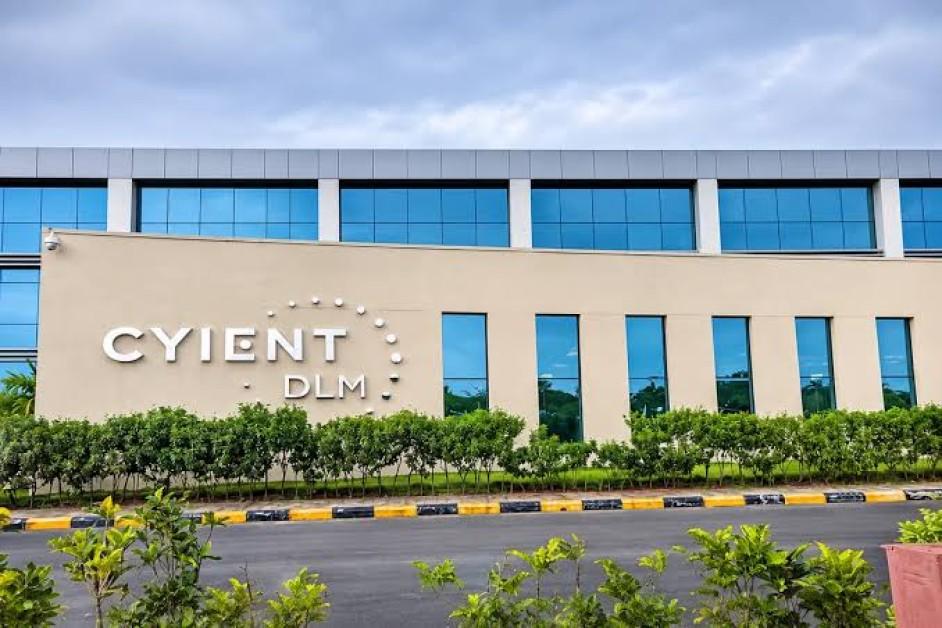
Cyient DLM and Hindustan Shipyard Announce Strategic Maritime Electronics Partnership
Cyient DLM Limited has signed a Memorandum of Understanding (MoU) with Hindustan Shipyard Limited (HSL) to explore collaboration in advanced electronics, indigenous technology development and manufacturing solutions for India's maritime and defence sectors.
The agreement, announced on November 14, 2026, brings together Cyient DLM's expertise in mission-critical electronics and design-led manufacturing with Hindustan Shipyard's established capabilities in shipbuilding, ship repair and maritime platform integration.
The proposed collaboration will examine opportunities across embedded systems, power electronics, precision manufacturing, testing and long-term product lifecycle support.
Both companies will also explore technologies associated with autonomous maritime platforms, unmanned systems, artificial intelligence-enabled maintenance and the domestic development of critical defence electronics.
The partnership supports India's Atmanirbhar Bharat initiative, which seeks to strengthen domestic manufacturing capabilities and reduce dependence on imported technologies in strategically important sectors.
However, the agreement is currently a framework for exploring potential cooperation. The companies have not announced a confirmed commercial order, investment amount or implementation timeline.
For Cyient DLM, the development creates an opportunity to expand its presence in maritime and defence electronics, while Hindustan Shipyard could gain access to additional domestic electronics manufacturing and technology capabilities.
Cyient DLM–Hindustan Shipyard Agreement: Key Details

The MoU establishes a framework for evaluating technology development and manufacturing opportunities across maritime and defence applications.
|
Particulars |
Details |
|---|---|
|
Companies |
Cyient DLM Limited and Hindustan Shipyard Limited |
|
Agreement type |
Memorandum of Understanding |
|
Announcement date |
November 14, 2026 |
|
Primary sectors |
Maritime and defence |
|
Collaboration focus |
Advanced electronics and technology solutions |
|
Key technologies |
Embedded systems, power electronics and precision manufacturing |
|
Additional opportunities |
Autonomous platforms and AI-enabled maintenance |
|
Manufacturing objective |
Indigenous technology development |
|
Strategic alignment |
Atmanirbhar Bharat |
|
Announced contract value |
Not disclosed |
|
Confirmed commercial order |
Not announced |
|
Implementation timeline |
Not specified |
|
Cyient DLM NSE symbol |
CYIENTDLM |
|
Cyient DLM BSE code |
543933 |
The agreement does not establish an immediate revenue commitment for either company.
Future commercial opportunities will depend on technical assessments, project requirements, procurement decisions and the execution of subsequent agreements.
What Will Cyient DLM and Hindustan Shipyard Work On?
The proposed partnership covers several areas of electronics engineering, manufacturing and support that are relevant to modern naval and maritime platforms.
These technologies are important because contemporary vessels rely on integrated electronic systems for navigation, communication, equipment control, power management and operational monitoring.
Advanced Maritime Electronics
The companies will explore opportunities involving electronics used in maritime and defence applications.
Such systems may include specialised control equipment, electronic assemblies and other components designed for demanding operating environments.
Marine electronics must often withstand vibration, temperature variations, moisture, electromagnetic interference and extended operational periods.
Reliable design, manufacturing and testing are therefore essential.
Embedded Systems
Embedded systems combine specialised electronic hardware with software to perform defined functions.
On maritime platforms, embedded systems can support equipment monitoring, automation, control functions and communications between onboard components.
Cyient DLM's experience in manufacturing electronics for safety-critical applications could be relevant to the development and production of such systems.
Power Electronics
Power electronics manage the conversion, control and distribution of electrical energy.
These technologies are important for vessels operating complex electrical equipment and integrated onboard systems.
Potential applications include power conversion, equipment control and electrical system management.
The companies will evaluate opportunities in this area, although no specific product development programme has been confirmed.
Precision Manufacturing and Testing
Defence electronics frequently require manufacturing processes capable of meeting strict quality and reliability standards.
The partnership will examine opportunities involving precision manufacturing, electronic testing and associated support systems.
Testing is particularly important because equipment installed on naval and maritime platforms must operate reliably under challenging conditions.
Autonomous and Unmanned Maritime Platforms Form Part of Collaboration
One of the notable areas identified in the agreement is the development of technologies associated with autonomous and unmanned maritime platforms.
These systems are becoming increasingly important in maritime surveillance, ocean monitoring and specialised naval operations.
Unmanned maritime platforms can operate without personnel physically onboard.
Depending on their design, they may be remotely controlled or capable of performing certain functions autonomously.
Potential Applications of Unmanned Maritime Systems
Maritime surveillance
Unmanned vessels can support monitoring activities in coastal and offshore environments.
Oceanographic research
Autonomous platforms can collect environmental and oceanographic information.
Infrastructure inspection
Unmanned systems may assist with inspections of selected maritime facilities and underwater infrastructure.
Naval support operations
Specialised platforms can support certain monitoring and operational tasks, subject to their capabilities and deployment requirements.
Environmental monitoring
Marine systems can collect information about water conditions and other environmental parameters.
These applications require reliable electronics, communication systems, sensors and control technologies.
Cyient DLM and Hindustan Shipyard have identified unmanned maritime platforms as an area for exploration, but they have not announced a specific autonomous vessel or production programme under the MoU.
AI-Enabled Maintenance Solutions Included in Partnership
The agreement also identifies artificial intelligence-enabled maintenance as a potential area of cooperation.
Maintenance is a major consideration for naval and commercial vessels because equipment must remain operational over long service periods.
Traditional maintenance approaches may rely on scheduled inspections, operating hours and equipment condition assessments.
AI-enabled maintenance systems can potentially analyse operational information to identify patterns associated with equipment wear or developing faults.
How AI-Enabled Maintenance Could Work
Sensors and monitoring systems collect information about equipment performance.
This information may include temperature, vibration, electrical conditions and operating patterns.
Analytical software can examine the collected data to identify unusual behaviour.
Maintenance teams can then use the findings to support inspection and repair decisions.
Potential benefits include improved maintenance planning, reduced unexpected equipment downtime and more efficient use of spare parts.
However, these outcomes depend on the quality of data, reliability of analytical models and integration with existing maintenance procedures.
The companies have not disclosed a specific AI maintenance product, development budget or deployment schedule.
Indigenisation and Obsolescence Management Are Key Priorities
Another important element of the agreement is the proposed cooperation in indigenisation and obsolescence management.
These areas are particularly relevant to defence equipment because ships and other military platforms often remain in service for decades.
What Is Indigenisation?
Indigenisation involves developing or manufacturing products, components and technologies domestically rather than relying entirely on imported supplies.
For defence electronics, this can include locally manufactured circuit assemblies, control systems, electronic modules and associated equipment.
Domestic production may help improve supply chain resilience and support local engineering capabilities.
However, successful indigenisation requires appropriate technical expertise, qualification procedures and manufacturing standards.
What Is Obsolescence Management?
Electronic components can become unavailable as manufacturers discontinue older products.
This creates challenges for ships and defence platforms designed to remain operational for long periods.
Obsolescence management involves identifying discontinued components and developing suitable replacement or redesign strategies.
The process may include alternative component sourcing, electronic redesign, testing and certification.
For Hindustan Shipyard, access to these capabilities could be relevant to ship repair, refit and long-term maintenance activities.
Cyient DLM's electronics manufacturing and lifecycle support experience provides a potential basis for cooperation in this area.
Hindustan Shipyard Brings Naval Construction and Repair Expertise
Hindustan Shipyard Limited is a Miniratna Category-I defence public sector undertaking under India's Ministry of Defence.
Established in 1941, the company is headquartered in Visakhapatnam, Andhra Pradesh.
HSL operates in shipbuilding, ship repair, refit and maritime platform integration.
Its activities cover naval vessels, commercial ships and submarines.
The shipyard plays a role in supporting India's maritime infrastructure and defence manufacturing capabilities.
Hindustan Shipyard's Major Capabilities
Naval shipbuilding
The company participates in the construction of vessels for maritime and defence requirements.
Ship repair and refit
HSL provides maintenance, repair and modernisation services for maritime platforms.
Submarine-related services
The shipyard has capabilities associated with submarine repair and refit activities.
Platform integration
Complex maritime platforms require coordination between structural, mechanical, electrical and electronic systems.
Domestic supply chain participation
HSL works with Indian manufacturers and suppliers involved in maritime engineering and defence production.
The proposed collaboration with Cyient DLM could complement these activities by bringing additional expertise in electronic systems and manufacturing.
Cyient DLM's Role in India's Defence Electronics Manufacturing Industry
Cyient DLM Limited is an integrated electronics manufacturing solutions provider specialising in design-led manufacturing.
The company was established in 1993 and serves customers across industries requiring high-reliability electronic products.
Its capabilities include electronic manufacturing, testing, precision machining and certification support.
Cyient DLM operates in sectors where product safety, quality and performance are important.
Design-Led Manufacturing Capabilities
Design-led manufacturing involves supporting customers across multiple stages of product development and production.
These stages can include design support, manufacturing engineering, component procurement, assembly, testing and lifecycle management.
For defence applications, this approach can help address the technical requirements associated with specialised electronic systems.
Mission-Critical Electronics
Mission-critical electronics are systems whose reliable operation is essential to the performance of a larger product or platform.
Such equipment often requires strict quality assurance, traceability and testing.
Cyient DLM's experience in these areas could support the development of electronics intended for maritime platforms.
Lifecycle Support
Defence equipment may require technical support, component replacement and maintenance over many years.
Lifecycle support can include testing, repairs, redesign and obsolescence management.
The agreement with Hindustan Shipyard identifies these activities as potential areas of cooperation.
What Cyient DLM Management Said About the Agreement
Cyient DLM Managing Director and Chief Executive Officer Rajendra Velagapudi described India's maritime and defence ecosystem as an opportunity to strengthen domestic technology and manufacturing capabilities.
He indicated that the partnership would bring together Hindustan Shipyard's shipbuilding and platform integration experience with Cyient DLM's expertise in mission-critical electronics.
Management expects the collaboration to help identify opportunities involving indigenous technology development and long-term support for maritime and defence platforms.
Velagapudi also highlighted the importance of combining complementary industrial capabilities.
The agreement is intended to provide a foundation for evaluating areas where the two organisations can jointly contribute to India's maritime technology requirements.
Hindustan Shipyard Management Highlights Domestic Technology Development
Hindustan Shipyard Chairman and Managing Director Rear Admiral C. Raghuram, VSM (Retd), described the MoU as a framework for identifying areas where the capabilities of the two companies could complement each other.
He emphasised the importance of cooperation across shipbuilding, electronics, technology and lifecycle support.
The shipyard's management also linked the initiative to India's broader efforts to develop domestic defence manufacturing capabilities.
The collaboration is expected to focus on evaluating practical opportunities rather than immediately launching a predetermined manufacturing programme.
This distinction is important because the agreement establishes strategic intent, while future commercial projects will require separate decisions and implementation arrangements.
Partnership Supports India's Atmanirbhar Bharat Defence Manufacturing Strategy
India has been pursuing policies intended to strengthen domestic defence production and reduce dependence on imported military equipment and technologies.
The Atmanirbhar Bharat initiative places emphasis on domestic manufacturing, technological capabilities and the development of Indian industrial supply chains.
Maritime defence manufacturing is an important part of this effort because modern naval platforms require complex systems sourced from multiple industries.
Importance of Domestic Defence Electronics
Electronic systems support a wide range of functions onboard modern ships.
These include navigation, communication, monitoring, automation and equipment control.
Developing domestic manufacturing capabilities can potentially improve access to components and technical support.
It may also create opportunities for Indian engineering companies, electronics manufacturers and specialised suppliers.
Role of Public-Private Collaboration
Defence public sector undertakings often possess experience in platform development, integration and maintenance.
Private companies may contribute specialised engineering, manufacturing and technology capabilities.
Partnerships between these organisations can help identify opportunities to combine expertise.
However, the success of such arrangements depends on technical feasibility, procurement requirements, certification and commercial execution.
The Cyient DLM–Hindustan Shipyard MoU represents one such framework for potential cooperation.
India's Maritime Defence Industry Creates Opportunities for Electronics Manufacturers
India's maritime sector includes naval shipbuilding, commercial ship construction, vessel maintenance and specialised marine engineering.
As maritime platforms incorporate increasingly sophisticated electronic systems, the role of electronics manufacturers becomes more important.
Modern vessels require coordination between numerous onboard systems.
These systems may include sensors, control equipment, power management infrastructure and communication technologies.
Growing Technical Complexity
The integration of electronic systems creates requirements for reliable manufacturing, software compatibility and long-term maintenance.
Modernisation of Existing Platforms
Older vessels may require upgrades or replacement electronic systems as equipment becomes outdated.
Domestic Supply Chain Development
Indian manufacturers may find opportunities to supply specialised components and assemblies.
Unmanned Maritime Technologies
The development of unmanned platforms introduces additional requirements for control systems, sensors and communications.
Lifecycle Maintenance
Long service periods create continuing demand for testing, repair and component replacement.
These trends provide a potential market for companies with capabilities in advanced electronics manufacturing.
However, opportunities must translate into confirmed projects before they can be treated as revenue-generating business.
Financial Implications for Cyient DLM
The MoU may create future business opportunities for Cyient DLM, but it does not currently represent a confirmed order.
The companies have not disclosed a contract value, investment commitment, production volume or delivery schedule.
Consequently, the agreement should not be added to Cyient DLM's order book as a confirmed commercial contract.
Potential Revenue Opportunities
If the collaboration progresses, Cyient DLM could potentially participate in electronics manufacturing, testing and lifecycle support programmes.
Revenue would depend on the execution of subsequent commercial agreements.
Manufacturing Opportunities
The partnership could create demand for specialised electronics and precision manufacturing services.
However, no additional manufacturing capacity or capital expenditure has been announced specifically for the collaboration.
Technology Development
The companies may evaluate opportunities involving indigenous electronics and advanced maritime systems.
The financial implications of such development would depend on future project scope and investment arrangements.
Long-Term Support
Lifecycle support activities can create recurring service requirements over the operational life of equipment.
However, the MoU does not establish any confirmed recurring revenue.
The commercial significance of the partnership will become clearer if the companies announce specific projects.
Cyient DLM Share Price in Focus After Hindustan Shipyard Partnership
Cyient DLM shares may attract investor attention following the announcement of the maritime and defence electronics collaboration.
The company disclosed the agreement on November 14, 2026.
Investors are likely to assess the development in the context of Cyient DLM's defence electronics capabilities and long-term business strategy.
However, an MoU differs from a confirmed order because it does not necessarily create immediate revenue.
Key Factors Investors Will Monitor
Investors will likely focus on whether the agreement leads to specific commercial contracts.
They may also monitor the company's defence electronics order pipeline, manufacturing capacity and project execution performance.
The development of indigenous electronic systems and participation in maritime programmes could become important indicators of progress.
Additional disclosures regarding investment commitments, project timelines and revenue potential would provide greater clarity.
Until such details are announced, the agreement should primarily be viewed as a strategic collaboration framework.
Opportunities for Indian MSMEs and Electronics Suppliers
The proposed partnership could also create opportunities for smaller Indian manufacturers if future projects involve domestic sourcing.
Defence electronics manufacturing requires a network of suppliers providing components, mechanical assemblies, electronic materials and specialised services.
Micro, small and medium enterprises can participate in these supply chains through component production, machining, testing and engineering support.
Potential Areas of Supplier Participation
-
Electronic component and circuit assembly manufacturing.
-
Precision machining and mechanical components.
-
Testing and inspection services.
-
Electrical connectors and associated equipment.
-
Manufacturing engineering and technical support.
-
Maintenance and replacement components.
The extent of supplier participation will depend on the requirements of any future projects.
Neither company has announced a specific MSME procurement programme under the MoU.
Challenges in Maritime and Defence Electronics Manufacturing
Although the collaboration creates potential opportunities, the sector involves substantial technical and operational challenges.
High Reliability Requirements
Defence and maritime electronics must perform reliably under demanding conditions.
Manufacturing and testing standards can be stringent.
Certification and Qualification
Electronic systems may require extensive testing and approval before installation on maritime platforms.
Long Development Cycles
Complex defence technologies can require lengthy design, testing and procurement processes.
Technology Integration
New electronic systems must operate alongside existing onboard equipment.
Component Availability
Specialised components may face procurement constraints or become obsolete over time.
Commercial Uncertainty
Strategic agreements do not guarantee future orders.
The companies must identify technically and commercially viable opportunities before moving toward execution.
These challenges will influence how quickly the partnership can progress from evaluation to implementation.
What Happens Next for Cyient DLM and Hindustan Shipyard?
The next stage will involve identifying specific areas where the companies can combine their capabilities.
Potential activities may include technical assessments, discussions on manufacturing requirements and evaluations of suitable maritime applications.
The organisations may also examine opportunities involving testing, obsolescence management and lifecycle support.
However, the companies have not announced a formal implementation schedule.
Future developments could include separate project agreements, technology development programmes or manufacturing contracts.
Such outcomes remain possibilities rather than confirmed commitments.
For investors and industry participants, the most important milestone will be the announcement of specific projects with defined technical requirements, commercial terms and execution timelines.
Conclusion
Cyient DLM's Memorandum of Understanding with Hindustan Shipyard Limited represents an important step toward exploring greater cooperation in India's maritime and defence electronics industry.
Announced on November 14, 2026, the agreement brings together Cyient DLM's expertise in mission-critical electronics, embedded systems and precision manufacturing with Hindustan Shipyard's experience in shipbuilding, repair and platform integration.
The partnership will examine opportunities involving indigenous electronics development, power electronics, autonomous maritime platforms, AI-enabled maintenance and long-term lifecycle support.
The initiative is aligned with India's broader Atmanirbhar Bharat strategy to strengthen domestic defence manufacturing capabilities.
However, the agreement remains exploratory, with no confirmed order value, investment commitment or implementation timeline disclosed.
Its commercial significance will depend on whether the companies translate their complementary capabilities into specific projects and manufacturing programmes.
For Cyient DLM, the partnership creates a potential route to expand its maritime electronics business.
For Hindustan Shipyard, it provides an opportunity to evaluate additional domestic technology and manufacturing capabilities.
The development highlights the growing importance of electronics, software-enabled systems and industrial collaboration in the modernisation of India's maritime and defence manufacturing ecosystem.
 Cyient DLM and Hindustan Shipyard Sign MoU for Maritime and Defence Electronics Expansion FAQs

POST A COMMENT (0)
All Comments (0)
Replies (0)