





India's Startup Ecosystem Expands Beyond Traditional Technology Centres
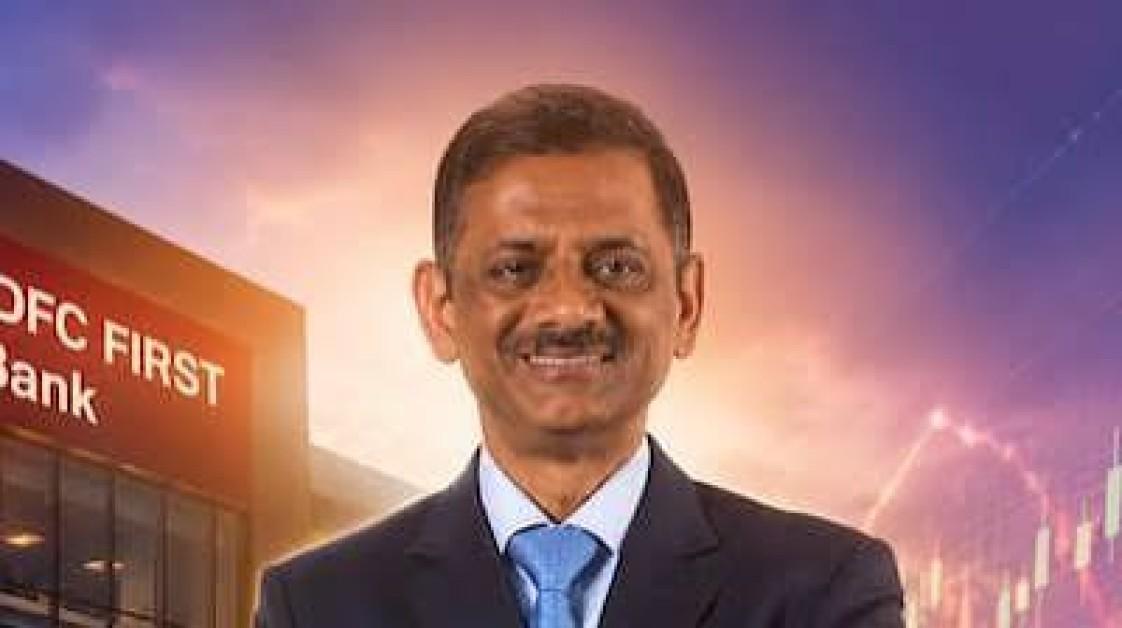
India's startup ecosystem is expanding beyond established technology hubs, with entrepreneurs from smaller cities increasingly participating in the country's innovation economy, according to IDFC FIRST Bank Managing Director and Chief Executive Officer V Vaidyanathan.
Speaking at the Economic Times Startup Awards 2026, Vaidyanathan highlighted the growing geographical and technological diversity of Indian entrepreneurship.
He said approximately 52% of startups banking with IDFC FIRST Bank are located in Tier-II and Tier-III cities and towns, indicating that startup activity is no longer concentrated exclusively in major metropolitan centres.
The observation reflects a broader change in India's entrepreneurial landscape, where access to digital infrastructure, technical talent and business opportunities is supporting company formation across different regions.
Vaidyanathan also emphasised the importance of financial management, banking services and capital efficiency in helping young businesses progress from early-stage ideas to commercially sustainable operations.
His remarks came as the 12th edition of the ET Startup Awards recognised companies working across emerging technology, consumer businesses and other sectors.
Key Highlights From IDFC FIRST Bank CEO's Address
|
Particulars |
Details |
|---|---|
|
Speaker |
V Vaidyanathan |
|
Designation |
Managing Director and CEO, IDFC FIRST Bank |
|
Event |
Economic Times Startup Awards 2026 |
|
Edition |
12th |
|
Main theme |
Geographical and technological expansion of Indian startups |
|
Startups banking with IDFC FIRST Bank from Tier-II and Tier-III locations |
Approximately 52% |
|
Technologies highlighted |
Satellite technology, hyperspectral imaging, AI-enabled brain mapping and advanced computing |
|
Financial priorities |
Cash management, banking services and efficient use of capital |
|
Broader message |
Startup opportunities are expanding beyond traditional technology hubs |
The 52% figure relates specifically to startups banking with IDFC FIRST Bank. It should not be interpreted as the proportion of all Indian startups located outside major cities.
Nevertheless, the bank's customer data provides an indication of the wider geographical reach of entrepreneurial activity.
Tier-II and Tier-III Cities Become Important Startup Locations

For many years, India's startup ecosystem was strongly associated with Bengaluru, Delhi-NCR, Mumbai and Hyderabad.
These cities developed concentrations of venture capital firms, technology professionals, startup accelerators and established companies.
They remain important centres for entrepreneurship and innovation.
However, improvements in digital connectivity, education and business infrastructure have made it increasingly practical to establish startups in other locations.
Entrepreneurs can now access customers, financial services, technology platforms and professional networks without necessarily relocating to major metropolitan areas.
The expansion of digital payments, cloud computing and online distribution has also reduced some geographical barriers.
For smaller cities, the growth of entrepreneurship can create opportunities for skilled employment, local business development and technology adoption.
However, access to venture capital, experienced mentors and specialised technical infrastructure remains uneven across regions.
52% of IDFC FIRST Bank's Startup Customers Come From Smaller Locations
Vaidyanathan's observation that approximately 52% of the startups banking with IDFC FIRST Bank originate from Tier-II and Tier-III locations was among the most significant points of his address.
The figure suggests that the bank's startup customer base extends well beyond India's largest technology centres.
It also demonstrates the importance of providing banking products and services to entrepreneurs operating in geographically diverse markets.
Startups outside major cities may face different financial and operational challenges.
These can include limited access to specialised investors, smaller local professional networks and difficulties recruiting experienced technology personnel.
At the same time, some businesses may benefit from lower operating costs and proximity to regional customers or industrial clusters.
The commercial potential of these startups depends on the quality of their products, management capabilities and ability to access markets.
The bank's data does not establish that smaller-city startups are growing faster or performing better than metropolitan startups.
It does, however, indicate substantial participation from outside traditional startup centres.
Deep Technology Emerges as a Major Area of Indian Innovation
Vaidyanathan also highlighted the increasingly sophisticated technologies being developed by Indian startups.
His examples included satellite technology, hyperspectral imaging, artificial intelligence applications in brain mapping and advances in computing.
These areas require specialised research, engineering expertise and sustained investment.
They also demonstrate that Indian entrepreneurship extends beyond conventional consumer internet and software businesses.
Technology Areas Highlighted at the Event
|
Technology |
Potential applications |
|---|---|
|
Satellite technology |
Earth observation, communications and space infrastructure |
|
Hyperspectral imaging |
Agriculture, environmental monitoring and industrial inspection |
|
AI-enabled brain mapping |
Medical research and neurological analysis |
|
Advanced computing |
Scientific research, industrial applications and complex data processing |
|
Robotics and automation |
Manufacturing, infrastructure inspection and hazardous operations |
The examples illustrate the diversity of technological activity within India's startup ecosystem.
However, development of advanced technology does not automatically establish commercial viability.
Deeptech companies often face longer product development cycles, higher research costs and more complex customer qualification requirements.
Their success depends on translating technical capabilities into products and services that address practical market needs.
ET Startup Awards 2026 Reflects Changing Entrepreneurial Priorities
The 12th edition of the Economic Times Startup Awards brought together entrepreneurs, investors and business leaders to examine the evolution of India's startup industry.
The event highlighted a shift from growth driven primarily by customer acquisition and business expansion toward a broader focus on technological depth, sustainable operations and international opportunities.
Startup of the Year nominees represented a wide range of business models and technologies.
These included AI company Sarvam, e-commerce platform Meesho, space technology company Skyroot, wealth technology platform Groww, mobility company Rapido and logistics platform Porter.
The diversity of the nominees reflects the range of sectors in which Indian startups are operating.
Discussions at the event also addressed funding availability, public market opportunities and the development of companies working on technically demanding problems.
IDFC FIRST Bank participated as the presenting sponsor of the awards.
Startup Financial Management Becomes a Central Concern
Beyond geographical expansion, Vaidyanathan stressed the importance of financial discipline among startup founders.
He observed that young companies frequently focus on raising capital but may pay insufficient attention to managing the funds after they have been received.
Startup funding is generally intended to support product development, recruitment, technology investment and business expansion.
However, the timing of expenditure can differ considerably from the timing of capital requirements.
Companies may therefore hold substantial cash balances between funding rounds and planned investments.
Effective treasury management can help founders preserve liquidity and improve the efficiency of available financial resources.
The appropriate approach depends on the company's funding commitments, risk tolerance and expected cash requirements.
Why Idle Cash Matters for Funded Startups
A startup that raises external capital may not need to spend the entire amount immediately.
Some funds may be reserved for future hiring, technology development, expansion or operating expenses.
Leaving all available cash in non-interest-bearing accounts can create an opportunity cost.
Founders may therefore benefit from understanding the banking and treasury options available to their businesses.
However, earning interest should not come at the expense of liquidity or capital preservation.
Startups need to ensure that funds remain available when required for payroll, supplier payments and other obligations.
Treasury decisions should also comply with investor agreements, internal governance requirements and applicable financial regulations.
For early-stage companies, careful cash management can be especially important because future funding conditions may change.
Banking Services Support Startups Beyond Traditional Lending
Vaidyanathan's remarks also drew attention to the role banks play in supporting entrepreneurial businesses.
Startups require more than access to loans.
They need transaction banking, payment infrastructure, cash management, account services and financial guidance.
The requirements can become more complex as businesses expand across regions or begin serving international customers.
For technology startups, financial institutions may also need to understand business models that differ from those of conventional enterprises.
Some companies invest heavily in product development before generating substantial revenue.
Others may have recurring subscription income or revenue streams linked to platform usage.
These characteristics can influence their banking requirements and access to credit.
IDFC FIRST Bank's FIRSTWINGS Programme Targets Startup Banking
IDFC FIRST Bank operates a startup banking initiative known as FIRSTWINGS.
The programme was introduced in November 2021 to provide banking services designed around the requirements of startup businesses.
Its offerings include startup current accounts, payment services, working capital solutions and other business banking facilities.
The programme also includes services intended to help founders manage operational and financial requirements.
For eligible businesses, access to dedicated startup banking products can simplify certain aspects of financial administration.
However, individual services, credit facilities and account benefits remain subject to eligibility requirements and applicable terms.
The programme reflects the bank's interest in serving emerging businesses at different stages of development.
Access to Finance Remains Important for Smaller-City Startups
Startups outside major technology hubs may face challenges in accessing specialised financial services and investment networks.
While digital banking has improved access to basic financial infrastructure, fundraising often depends on relationships with investors and advisers.
Young companies may also need support with financial reporting, working capital planning and payment management.
Banks can help address some of these requirements through business accounts, transaction services and appropriate financing products.
However, conventional bank lending and venture capital serve different purposes.
Venture investors generally provide equity capital in exchange for ownership stakes.
Banks typically provide financial services and credit products under defined contractual and regulatory conditions.
For early-stage companies without established cash flows, obtaining conventional debt financing can remain difficult.
The development of a broader startup ecosystem will therefore require multiple sources of financial support.
India's Startup Economy Moves Toward Technological Depth
The discussions at ET Startup Awards 2026 also highlighted the increasing importance of technically sophisticated businesses.
Indian startups are pursuing opportunities in sectors such as artificial intelligence, space technology, robotics, semiconductors, defence and energy.
These industries differ from traditional digital consumer businesses because they may require specialised infrastructure, extensive testing and longer commercialisation periods.
Investors must often evaluate technical feasibility alongside market potential.
Founders may also need partnerships with research institutions, industrial companies and government agencies.
The emergence of such businesses could create opportunities for specialised employment and domestic technology development.
However, capital requirements and commercial risks can be substantial.
The ability to support these companies through different stages of development will be important for the wider ecosystem.
Sustainable Growth and Capital Efficiency Gain Importance
India's startup industry has experienced changes in investor expectations as companies have matured.
Funding availability remains important, but investors increasingly examine business fundamentals, cash requirements and the prospects for sustainable profitability.
Startups must balance investment in growth with financial resilience.
For some companies, this means improving operating efficiency or reducing unnecessary expenditure.
For others, it involves developing clearer revenue models and demonstrating customer demand.
Financial discipline is particularly relevant for deeptech companies, where product development may take several years.
Vaidyanathan's emphasis on managing funds effectively is consistent with these wider considerations.
However, the appropriate balance between growth and profitability varies by industry and business stage.
Regional Entrepreneurship Could Strengthen India's Innovation Economy
The spread of startups into smaller cities has potential implications for regional economic development.
Entrepreneurial businesses can create demand for skilled workers, professional services and local suppliers.
They may also develop solutions tailored to regional industries and customer requirements.
Agricultural technology companies, for example, may benefit from proximity to farming communities.
Industrial technology startups may operate near manufacturing clusters.
Other businesses may use digital platforms to serve customers nationally while maintaining operations in lower-cost locations.
These models could help distribute some of the economic benefits of entrepreneurship more widely.
Nevertheless, regional ecosystems require continued development of talent, infrastructure, capital access and professional networks.
What the Development Means for India's Startup Industry
Vaidyanathan's remarks underline two important developments in Indian entrepreneurship.
The first is the widening geographical distribution of startups.
The second is the growing range of industries and technologies being addressed by entrepreneurs.
Together, these trends suggest that India's startup ecosystem is becoming more diverse in both location and business activity.
The expansion creates opportunities for financial institutions, investors, technology providers and regional business networks.
It also increases the importance of services that can support companies regardless of where they are established.
For IDFC FIRST Bank, the presence of startup customers across smaller cities provides an opportunity to expand its relationships with emerging businesses.
For founders, access to financial infrastructure and disciplined cash management remain important components of long-term business development.
Conclusion
IDFC FIRST Bank Managing Director and CEO V Vaidyanathan's remarks at the Economic Times Startup Awards 2026 highlighted the changing geography and technological ambitions of India's startup ecosystem.
His disclosure that approximately 52% of startups banking with IDFC FIRST Bank come from Tier-II and Tier-III locations demonstrates the bank's growing engagement with entrepreneurs beyond traditional technology hubs.
Vaidyanathan also pointed to innovation in satellite technology, hyperspectral imaging, AI-enabled brain mapping and advanced computing as examples of the country's expanding technical capabilities.
Alongside these developments, he emphasised the importance of financial management, banking support and efficient use of startup capital.
The observations reflect an ecosystem in which entrepreneurial activity is becoming more geographically diverse while companies pursue increasingly complex technological opportunities.
Continued access to finance, specialised talent, business infrastructure and effective financial management will be important in determining how this expansion translates into sustainable economic growth.
 IDFC FIRST Bank CEO Highlights India's Expanding Startup Ecosystem at ET Startup Awards 2026 FAQs
POST A COMMENT (0)
All Comments (0)
Replies (0)