By Naina, 17th June 2026
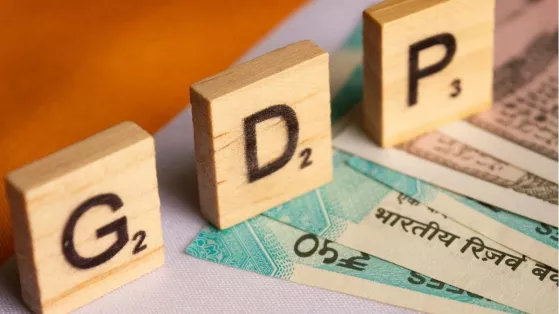
The Gross Domestic Product calculation methodology has emerged as one of the most consequential statistical frameworks in contemporary Indian economic measurement, and the cumulative architecture through which the broader Indian GDP calculation operates represents one of the most comprehensive economic measurement systems globally. For most of the modern history of Indian economic measurement, GDP calculation operated through recognisable patterns built around the broader range of statistical considerations that earlier generations of Indian statistical activity progressively refined into one of the most sophisticated economic measurement frameworks globally. The current cycle has produced a fundamentally mature Indian GDP calculation methodology that operates through the comprehensive institutional architecture comprising the National Statistical Office (NSO) as the principal Indian GDP calculation institution, the Ministry of Statistics and Programme Implementation (MoSPI) as the principal Indian statistics ministry, the broader range of supporting institutional infrastructure and the cumulative range of additional dimensions that constitute the broader Indian GDP calculation. On the 27th of February 2026, MoSPI released the New Series of Annual and Quarterly National Accounts Estimates with base year 2022-23, replacing the previous series with a base year of 2011-12. Under the new series, India's real GDP grew approximately 7.7 percent in FY 2025-26, with nominal GDP at approximately 345.47 lakh crore rupees. India's real GDP for Q4 FY26 grew approximately 7.8 percent. India ranks 3rd by Purchasing Power Parity and 6th by nominal GDP after the February 2026 base-year revision and rupee depreciation.
What sits beneath this institutional methodology is a deeper calculation architecture that has progressively evolved over decades of Indian economic measurement. The combination of the comprehensive Indian GDP calculation framework, the broader integration of multiple consequential statistical considerations, the rising significance of GDP calculation in shaping Indian economic policy, the cumulative impact of GDP calculation decisions on Indian economic understanding and the broader strategic significance of GDP calculation in the global economic architecture has produced an Indian GDP calculation methodology that has progressively built the broader institutional foundation supporting Indian economic measurement activity. This analysis surveys what GDP is and how India calculates it in 2026.
The Conceptual Foundation of GDP
GDP is the total monetary value of all final goods and services produced within a country's domestic territory during a specific period, usually a quarter or a year. The combination of this conceptual foundation, the broader integration of GDP into Indian economic measurement and the cumulative impact on Indian economic understanding has positioned GDP as one of the most consequential economic measurement concepts globally.
The strategic significance of GDP extends beyond the immediate measurement considerations. The combination of the broader integration of GDP into Indian economic measurement, the rising significance of GDP in shaping Indian economic policy and the cumulative impact on Indian economic understanding has reinforced the broader strategic significance. The continued evolution of GDP considerations will continue to shape the broader Indian economic landscape.
The Indian GDP institutional architecture has been particularly consequential. Official GDP estimates in India are released by the National Statistical Office (NSO) under the Ministry of Statistics and Programme Implementation (MoSPI). The combination of this institutional architecture, the broader integration of NSO and MoSPI into Indian GDP calculation activity and the cumulative impact on Indian economic measurement has reflected the broader institutional foundation supporting Indian GDP calculation.
The Three Methods of GDP Calculation
The three methods of GDP calculation have emerged as the foundational methodological framework for contemporary Indian GDP calculation. The combination of the expenditure approach, the production/value-added approach and the income approach as the three principal methods, the broader integration of multiple methods into Indian GDP calculation and the cumulative impact on Indian GDP calculation has produced a comprehensive methodological framework.
The expenditure approach dimension has been particularly consequential. The Expenditure Approach sums up all spending on final goods and services in the economy. The formula is C+I+G+X−M, where C is private consumption, I is investment, G is government expenditure, X is exports and M is imports. The combination of these expenditure approach considerations, the broader integration of the expenditure approach into Indian GDP calculation and the cumulative impact on Indian GDP calculation has reflected the broader methodological framework.
The production approach dimension has been equally consequential. The Production/Value-Added Approach adds up the value added by each industry at every stage of production. The formula is GVA (Gross Value Added) + product taxes − subsidies. The combination of these production approach considerations, the broader integration of the production approach into Indian GDP calculation and the cumulative impact on Indian GDP calculation has reflected the broader methodological framework.
The income approach dimension has been particularly consequential. The Income Approach sums all incomes earned by factors of production (labor, capital). The formula is sum of factor incomes. The combination of these income approach considerations, the broader integration of the income approach into Indian GDP calculation and the cumulative impact on Indian GDP calculation has reflected the broader methodological framework.
The 2022-23 Base Year Revision
The 2022-23 base year revision has emerged as one of the most consequential dimensions of contemporary Indian GDP calculation. On the 27th of February 2026, India's Ministry of Statistics and Programme Implementation (MoSPI) executed a highly anticipated overhaul of its GDP calculation framework. By shifting the base year from 2011-12 to 2022-23, the government effectively rewrote the mathematical foundation of one of the world's fastest-growing major economies.
The strategic significance of the base year revision extends beyond the immediate methodological considerations. The combination of the broader integration of the new base year into Indian GDP calculation, the rising significance of base year revision in shaping Indian GDP positioning and the cumulative impact on Indian GDP calculation has reinforced the broader strategic significance.
The base year rationale dimension has been particularly consequential. The Financial Year 2022-23 has been selected as the base year because it represents a recent normal year after COVID. It provides robust and comprehensive data across sectors of the economy, making it an appropriate benchmark for the new series of Annual and Quarterly National Accounts Estimates. The combination of these base year rationale considerations, the broader integration of base year considerations into Indian GDP calculation and the cumulative impact on Indian GDP calculation has reflected the broader institutional framework.
The double deflation dimension has been equally consequential. The 2026 revision introduces a shift to Double Deflation for key sectors. Historically, India utilised single deflation for key sectors. The combination of these double deflation considerations, the broader integration of double deflation into Indian GDP calculation and the cumulative impact on Indian GDP calculation has reflected the broader methodological refinement.
The back-series dimension has been particularly consequential. As per established practice, estimates will be recalculated using the revised methodology up to the previous base year and then linked at a disaggregated level to extend the series back to 1950-51. Back-series data is expected to be released by December 2026. The combination of these back-series considerations, the broader integration of back-series considerations into Indian GDP calculation and the cumulative impact on Indian GDP calculation has reflected the broader institutional architecture.
The Real GDP and Nominal GDP Distinction
The real GDP and nominal GDP distinction has emerged as one of the most consequential conceptual distinctions in contemporary Indian GDP calculation. The combination of differential real GDP and nominal GDP frameworks, the broader integration of real and nominal GDP considerations into Indian GDP calculation and the cumulative impact on Indian GDP calculation has produced a comprehensive real-nominal framework.
The real GDP dimension has been particularly consequential. Real GDP measures economic output at constant prices, removing the effects of inflation. India's real GDP for FY 2025-26 is estimated at approximately 323.12 trillion rupees (at constant 2022-23 prices), up from approximately 299.89 trillion rupees in FY 2024-25. The combination of these real GDP considerations, the broader integration of real GDP into Indian GDP calculation and the cumulative impact on Indian GDP calculation has reflected the broader real GDP framework.
The nominal GDP dimension has been equally consequential. Nominal GDP measures a country's economic output at current market prices, thereby incorporating the effects of inflation and making it useful for assessing the economy's size in present-value terms. India's nominal GDP for FY 2025-26 is estimated at approximately 345.47 lakh crore rupees. The combination of these nominal GDP considerations, the broader integration of nominal GDP into Indian GDP calculation and the cumulative impact on Indian GDP calculation has reflected the broader nominal GDP framework.
The GVA Framework
The Gross Value Added (GVA) framework has emerged as one of the most consequential dimensions of contemporary Indian GDP calculation. GVA measures the value of goods and services produced within an economy at the cost of factors of production. The combination of this GVA framework, the broader integration of GVA into Indian GDP calculation and the cumulative impact on Indian GDP calculation has positioned GVA as one of the consequential dimensions of contemporary Indian GDP calculation.
The GVA-GDP relationship dimension has been particularly consequential. The relationship between GVA and GDP is: GDP = GVA + Net Taxes (Product Taxes − Subsidies). Real GVA for FY 2025-26 is estimated at approximately 184.50 lakh crore rupees, up from approximately 171.87 lakh crore rupees in FY 2024-25, registering a growth rate of approximately 7.3 percent. Nominal GVA for FY 2025-26 is estimated at approximately 323.48 lakh crore rupees. The combination of these GVA considerations, the broader integration of GVA into Indian GDP calculation and the cumulative impact on Indian GDP calculation has reflected the broader GVA framework.
The FY 2025-26 GDP Performance
The FY 2025-26 GDP performance has emerged as one of the most consequential dimensions of contemporary Indian economic activity. India's real GDP grew approximately 7.7 percent in FY 2025-26, with the broader integration of FY 2025-26 GDP performance into Indian economic measurement. The Q4 FY26 real GDP growth was approximately 7.8 percent year-on-year, with nominal GDP rising approximately 9.1 percent year-on-year. The combination of these FY 2025-26 GDP performance considerations, the broader integration of FY 2025-26 GDP performance into Indian economic activity and the cumulative impact on Indian economic positioning has reflected the broader FY 2025-26 framework.
The strategic significance of the FY 2025-26 GDP performance extends beyond the immediate growth considerations. The combination of the broader integration of FY 2025-26 GDP performance into Indian economic policy, the rising significance of FY 2025-26 GDP performance in shaping Indian economic narrative and the cumulative impact on Indian economic positioning has reinforced the broader strategic significance.
The Q3 FY26 dimension has been particularly consequential. India's real GDP grew approximately 7.8 percent in Q3 FY26 (October-December 2025), with the broader integration of Q3 FY26 GDP performance into Indian economic measurement. The combination of these Q3 FY26 GDP performance considerations, the broader integration of Q3 FY26 GDP performance into Indian economic activity and the cumulative impact on Indian economic positioning has reflected the broader Q3 FY26 framework.
The India Global Ranking
The India global ranking has emerged as one of the most consequential dimensions of contemporary Indian GDP positioning. India ranks 3rd by Purchasing Power Parity and 6th by nominal GDP after the February 2026 base-year revision and rupee depreciation. The combination of these global ranking considerations, the broader integration of global ranking considerations into Indian GDP positioning and the cumulative impact on Indian global economic positioning has reflected the broader global ranking framework.
The PPP ranking dimension has been particularly consequential. The combination of India's broader PPP positioning, the rising significance of PPP measurement in shaping Indian global economic positioning and the cumulative impact on Indian global economic positioning has reflected the broader PPP framework. The continued evolution of Indian PPP positioning will continue to shape the broader Indian global economic landscape.
The nominal GDP ranking dimension has been equally consequential. The combination of India's broader nominal GDP positioning, the rising significance of nominal GDP measurement in shaping Indian global economic positioning and the cumulative impact on Indian global economic positioning has reflected the broader nominal GDP framework.
The Sectoral Composition
The sectoral composition of Indian GDP has emerged as one of the most consequential dimensions of contemporary Indian GDP calculation. The combination of multiple sectoral contributions including agriculture, industry and services, the broader integration of sectoral considerations into Indian GDP calculation and the cumulative impact on Indian GDP composition has produced a comprehensive sectoral framework.
The services sector dimension has been particularly consequential. According to NSO data, the service sector performance signalled a strong lift in FY26, especially the labour-intensive segments. The combination of these services sector considerations, the broader integration of services into Indian GDP composition and the cumulative impact on Indian GDP composition has reflected the broader services sector framework.
The manufacturing sector dimension has been equally consequential. India recorded double-digit growth in manufacturing activity in FY26. The combination of these manufacturing sector considerations, the broader integration of manufacturing into Indian GDP composition and the cumulative impact on Indian GDP composition has reflected the broader manufacturing sector framework.
The Quarterly GDP Release Framework
The quarterly GDP release framework has emerged as one of the most consequential dimensions of contemporary Indian GDP calculation. The combination of quarterly GDP releases, the broader integration of quarterly GDP releases into Indian economic measurement and the cumulative impact on Indian economic understanding has produced a comprehensive quarterly GDP release framework.
The strategic significance of quarterly GDP releases extends beyond the immediate release considerations. The combination of the broader integration of quarterly GDP releases into Indian economic measurement, the rising significance of quarterly GDP releases in shaping Indian economic understanding and the cumulative impact on Indian economic policy has reinforced the broader strategic significance.
The Advance and Provisional Estimates
The advance and provisional estimates have emerged as one of the most consequential dimensions of contemporary Indian GDP calculation. The combination of multiple estimate categories including First Advance Estimates, Second Advance Estimates, Provisional Estimates, First Revised Estimates, Second Revised Estimates and Third Revised Estimates has produced a comprehensive estimate framework. The combination of these estimate considerations, the broader integration of estimate considerations into Indian GDP calculation and the cumulative impact on Indian GDP calculation has reflected the broader institutional framework.
The Future GDP Projections
The future GDP projections have emerged as one of the most consequential dimensions of contemporary Indian GDP calculation. The Economic Survey 2025-26 projected FY27 real GDP growth in the range of 6.8 to 7.2 percent. ICRA projected GDP growth of 7 percent for FY 2026-27. CEA Anantha Nageswaran projected that the economy is more likely to achieve a number closer to 7.4 percent rather than 7 percent in FY 2025-26, with nominal GDP growth close to 11 percent and the size of the economy comfortably crossing the 4 trillion US dollar mark. The combination of these projection considerations, the broader integration of projections into Indian GDP calculation and the cumulative impact on Indian economic understanding has reflected the broader projection framework.
The State-Level GDP Calculation
The state-level GDP calculation has emerged as one of the most consequential dimensions of contemporary Indian GDP calculation. The NSO, under MoSPI, issues guidelines for estimating Gross State Domestic Product (GSDP) and provides technical support to States and Union Territories (UTs). The combination of this state-level GDP calculation framework, the broader integration of state-level GDP calculation into Indian GDP calculation and the cumulative impact on Indian state-level economic measurement has reflected the broader state-level GDP calculation framework.
The Directorates of Economics and Statistics dimension has been particularly consequential. The Directorates of Economics and Statistics (DES) in each State/UT prepare their GSDP estimates using state-specific data, largely drawn from common data sources. The combination of these state-level GDP calculation considerations, the broader integration of state-level GDP calculation into Indian GDP calculation and the cumulative impact on Indian state-level economic measurement has reflected the broader institutional framework.
The GDP Deflator
The GDP deflator has emerged as one of the most consequential dimensions of contemporary Indian GDP calculation. The GDP deflator measures the change in prices of all goods and services produced in an economy. The combination of this GDP deflator framework, the broader integration of GDP deflator into Indian GDP calculation and the cumulative impact on Indian GDP calculation has reflected the broader GDP deflator framework.
The Impact on Fiscal Policy
The impact of GDP calculation on Indian fiscal policy has emerged as one of the most consequential dimensions of contemporary Indian GDP activity. The combination of the broader integration of GDP calculation into Indian fiscal policy, the rising significance of GDP measurement in shaping Indian fiscal policy and the cumulative impact on Indian fiscal positioning has positioned GDP calculation as one of the most consequential dimensions of contemporary Indian fiscal policy.
The fiscal deficit dimension has been particularly consequential. The base year revision impact would imply a fiscal deficit target of approximately 4.46 percent of GDP for FY 2026-27, as against the 4.3 percent assumed in the budget, assuming a nominal GDP growth of approximately 10 percent in the fiscal. The combination of these fiscal deficit considerations, the broader integration of GDP calculation into Indian fiscal policy and the cumulative impact on Indian fiscal positioning has reflected the broader fiscal impact framework.
The Risks and the Frictions
Several risks warrant clear recognition. The first is the data quality dimension. The continued evolution of underlying data quality affecting Indian GDP calculation has produced data quality considerations.
The second risk is the informal economy measurement dimension. The continued challenges of capturing the broader Indian informal economy in GDP calculations has produced informal economy measurement considerations.
The third risk is the methodological transparency dimension. The continued evolution of methodological transparency has produced methodological considerations.
The fourth risk is the global comparison dimension. The continued evolution of global comparison considerations has produced global comparison risk considerations.
The Direction of Travel
What GDP is and how India calculates it represents one of the most consequential institutional dimensions of contemporary Indian economic measurement. The combination of the conceptual foundation of GDP, the three methods of GDP calculation, the 2022-23 base year revision, the real GDP and nominal GDP distinction, the GVA framework, the FY 2025-26 GDP performance, the India global ranking, the sectoral composition, the quarterly GDP release framework, the advance and provisional estimates, the future GDP projections, the state-level GDP calculation, the GDP deflator, the impact on fiscal policy and the broader range of additional dimensions has produced an Indian GDP calculation methodology that has progressively built the broader institutional architecture supporting Indian economic measurement. The implications run through every dimension of Indian economic measurement, of the broader Indian economic landscape and of the cumulative architecture of contemporary Indian economic activity.
For India specifically, the GDP calculation methodology has positioned the country at one of the most sophisticated economic measurement frameworks globally. The country's combination of the comprehensive NSO and MoSPI institutional capability, the rising integration of advanced statistical infrastructure into Indian economic measurement and the broader institutional sophistication of Indian economic measurement has produced economic measurement conditions that earlier generations of Indian economic measurement could not have approached. The continued evolution of Indian GDP calculation will continue to shape both the Indian economic landscape and the broader Indian economic positioning.
The longer-term implications extend beyond the immediate measurement considerations. GDP has fundamentally shaped the architecture of Indian economic measurement. The traditional Indian economic measurement environment, anchored on the broader range of established measurement arrangements, has been progressively transformed through the integration of comprehensive GDP measurement mechanisms that have fundamentally positioned GDP as the principal economic measurement framework through which significant portions of Indian economic activity are measured. The implications for Indian economic understanding, for the broader Indian economic activity and for the cumulative architecture of Indian economic development have been substantial.
The decisions reflected in GDP calculation, by the National Statistical Office administering GDP calculation, by the broader range of institutional actors shaping Indian GDP calculation and by the cumulative range of stakeholders engaging with the broader Indian GDP framework, will continue to shape the trajectory of Indian economic measurement for the next generation. GDP is no longer a peripheral consideration of Indian economic measurement. It has become the structural reality of contemporary Indian economic measurement, the principal economic measurement framework through which significant portions of Indian economic activity are measured and one of the most consequential dimensions of India's broader economic transformation. The methodology continues. The structural sophistication is real. The implications, for Indian economic understanding, for the broader Indian economic activity and for the cumulative architecture of Indian economic measurement, will continue to develop through the rest of the present year and beyond.
What GDP is and how India calculates it has emerged as one of the most consequential institutional dimensions of contemporary Indian economic measurement, and its continued evolution will reshape the broader trajectory of Indian economic measurement for the generation to come toward the Viksit Bharat 2047 vision. The work of the broader Indian GDP calculation continues, and the next chapter of Indian economic measurement is being written, in real time, by the cumulative range of GDP calculations across quarterly and annual releases, by the broader range of supporting institutional considerations including the methodological refinements introduced through the 2022-23 base year revision, by the rising integration of advanced calculation infrastructure into NSO and MoSPI activity and by the cumulative range of economic measurement activity that has progressively built the broader Indian economic ecosystem in response to GDP calculation. GDP has emerged as the principal economic measurement framework of contemporary Indian economic activity, and the continued development will reshape the broader trajectory of Indian economic measurement, the cumulative architecture of Indian economic activity and the broader Indian positioning in the global economic landscape for the generation to come.